

What is Geogrid? What You Need to Know
Geogrid is one of the most important materials used in modern civil engineering and construction. Designed to reinforce soil and improve structural stability, geogrids are widely used in road construction, retaining walls, embankments, railways, airports, and slope stabilization projects. Their ability to distribute loads and strengthen weak soils makes them an essential solution for infrastructure development.
In this guide, we’ll explain what geogrid is, how it works, the different types available, its applications, and the key benefits it offers for construction and ground reinforcement projects.
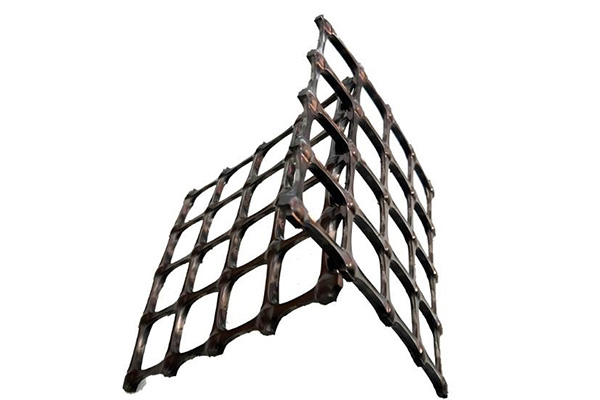
What is Geogrid?
Geogrid is a geosynthetic material made from polymers such as polypropylene (PP), high-density polyethylene (HDPE), or polyester (PET). It features an open, grid-like structure composed of intersecting ribs that create apertures. These openings allow soil, aggregate, or other fill materials to interlock with the geogrid, forming a reinforced composite structure.
Unlike solid sheets, geogrids rely on mechanical interlock with surrounding materials. This interlocking action improves load distribution, increases soil confinement, and enhances the overall bearing capacity of the ground.
How Does Geogrid Work?
The primary function of geogrid is reinforcement. When placed within soil or aggregate layers, the material interacts with the surrounding fill through friction and interlock. This interaction creates a stabilized layer that can better resist deformation and lateral movement.
Key mechanisms include:
- Load Distribution: Spreads applied loads over a wider area, reducing pressure on weak subgrades.
- Lateral Restraint: Limits sideways movement of aggregate particles.
- Soil Confinement: Increases the stiffness and strength of the fill material.
- Tensile Reinforcement: Provides high tensile strength where soil alone is weak in tension.
As a result, geogrids significantly improve the performance and lifespan of civil engineering structures.
Types of Geogrid
Geogrids are typically classified based on their strength direction and manufacturing method.
1. Uniaxial Geogrid
Uniaxial geogrids provide high tensile strength in one direction, usually the longitudinal direction. They are commonly used in applications where reinforcement is needed primarily in a single direction.
Common applications:
- Retaining walls
- Steep slopes
- Bridge abutments
- Reinforced soil walls
2. Biaxial Geogrid
Biaxial geogrids offer strength in both longitudinal and transverse directions. They are ideal for applications requiring multidirectional load distribution.
Common applications:
- Road base reinforcement
- Parking lots
- Pavements
- Railway subgrades
- Working platforms
3. Triaxial Geogrid
Triaxial geogrids feature a triangular aperture design that provides near-uniform load distribution in multiple directions. They are especially effective in demanding load-bearing applications.
Common applications:
- Heavy-duty pavements
- Industrial yards
- Ports and container terminals
- High-traffic roads
Materials Used in Geogrid Manufacturing
Different polymer materials are used depending on the application requirements:
- Polypropylene (PP): Excellent chemical resistance and durability.
- High-Density Polyethylene (HDPE): High flexibility and environmental resistance.
- Polyester (PET): Exceptional tensile strength and low creep characteristics.
- Fiberglass: Often used in asphalt reinforcement applications.
Each material offers unique performance advantages for specific engineering conditions.
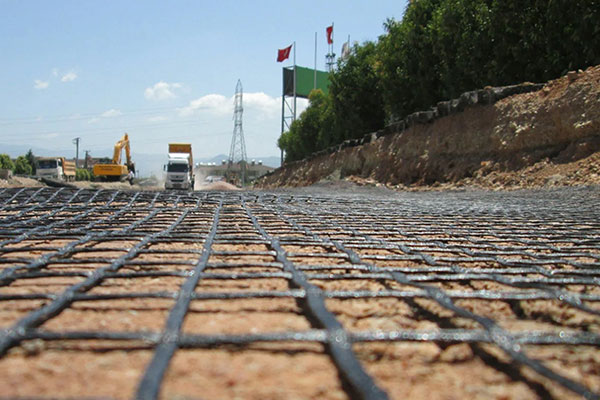
Main Applications of Geogrid
Geogrids are used across a wide range of infrastructure and construction projects.
- Road Construction: Geogrids reinforce the base and subbase layers, reducing rutting and extending pavement life.
- Retaining Walls: They improve wall stability by reinforcing the backfill and resisting lateral earth pressures.
- Slope Stabilization: Geogrids help prevent soil erosion and slope failure on embankments and steep terrain.
- Railway Construction: They increase track stability, reduce settlement, and improve load-bearing performance.
- Airport Runways: Geogrids enhance pavement strength under heavy aircraft loads.
- Foundations and Embankments: They provide reinforcement over weak soils, minimizing differential settlement.
Benefits of Using Geogrid
Using geogrid offers numerous technical and economic advantages:
- Improves soil bearing capacity
- Reduces aggregate thickness requirements
- Minimizes settlement and deformation
- Extends pavement and structure lifespan
- Enhances load distribution
- Improves slope and wall stability
- Lowers maintenance costs
- Speeds up construction time
- Reduces overall project costs
- Supports sustainable construction practices
Geogrid vs. Geotextile: What’s the Difference?
Although both are geosynthetics, geogrids and geotextiles serve different purposes.
- Geogrid: Primarily used for reinforcement.
- Geotextile: Used for separation, filtration, drainage, and protection.
In many projects, geogrids and geotextiles are used together to achieve optimal performance.
Conclusion
As infrastructure demands continue to grow, geogrids have become a critical component in cost-effective and sustainable construction. They allow engineers to build stronger structures on weaker soils while reducing material consumption and long-term maintenance.
Whether used in highways, retaining walls, railways, or slope stabilization, geogrids deliver reliable performance, improved safety, and substantial economic benefits.
Get Expert Geogrid Solutions for Your Project
Looking for reliable geogrid products for road construction, retaining walls, slope stabilization, or foundation reinforcement? Our team provides high-quality geogrid solutions tailored to your specific project requirements. Contact us today to discuss your project needs, request technical specifications, or get a competitive quote.