

How to Use Cold Mix Asphalt for Emergency Repairs
In the world of road maintenance and construction, unforeseen issues can arise at any time, and quick solutions are often required. Cold mix asphalt is a versatile material that is increasingly used for emergency repairs due to its ease of application and effectiveness. Whether it’s a pothole in the middle of a busy street or a damaged parking lot, cold mix asphalt can help restore functionality in a fraction of the time that traditional hot mix asphalt might require. In this article, we’ll guide you on how to use cold mix asphalt for emergency repairs.
What is Cold Mix Asphalt?
Cold mix asphalt is a type of asphalt that is ready to use without the need for heating. It’s typically made by combining bitumen, aggregates, and filler materials that remain stable and workable at ambient temperatures. This makes it an ideal solution for quick repairs, especially in situations where heating equipment is not available or practical. Cold mix asphalt is commonly used for repairing roads, parking lots, driveways, and potholes.
Benefits of Cold Mix Asphalt for Emergency Repairs
- Quick and Easy Application: Cold mix asphalt requires no heating or complex equipment. It can be applied directly from the bag and compacted quickly, making it ideal for urgent repairs.
- No Special Equipment Needed: Basic tools like shovels and tampers are enough for installation, reducing labor and equipment costs.
- Reliable Temporary Performance: It provides a durable short-term fix for potholes and cracks, helping prevent further damage until permanent repairs are made.
- Versatile Use: Suitable for various applications such as potholes, cracks, and utility cuts, and can be used in different weather conditions.
Step-by-Step Guide on How to Use Cold Mix Asphalt for Emergency Repairs
Step 1: Assess the Damage
Before applying cold mix asphalt, take some time to assess the extent of the damage. If you’re repairing a pothole, measure its depth and width. If the area is larger than expected, you might need to apply a thicker layer of asphalt. For cracks or small surface damage, a thinner application might suffice.
Step 2: Prepare the Repair Area
The next step is to prepare the damaged area for patching. Begin by cleaning the area to ensure proper adhesion. Remove any loose debris, dirt, or water from the hole or crack. Use a broom or a wire brush to clean the edges of the damage, ensuring a rough surface to help the cold mix adhere better.
If the repair area is a large pothole, you may need to use a hammer and chisel to break up any loose or damaged edges so that the new material bonds effectively.
Step 3: Apply the Cold Mix Asphalt
Once the area is clean and prepared, you can apply the cold mix asphalt. Open the bag and pour the asphalt directly into the damaged area, filling it to a level slightly above the surface. Ensure that the material fully covers the damaged area, leaving no gaps.
Step 4: Compact the Asphalt
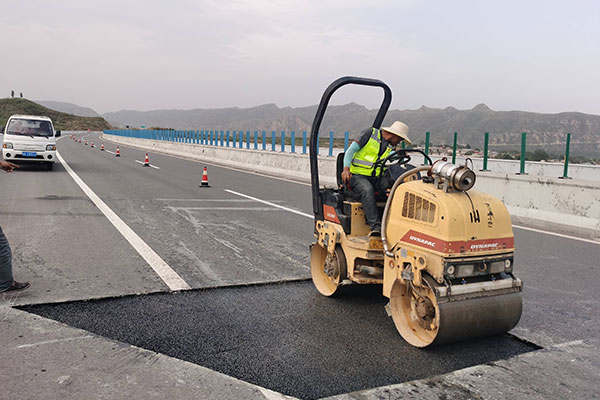
After applying the cold mix asphalt, it’s time to compact it. Use a hand tamper or a mechanical compactor to press the asphalt into place. This step is crucial to ensure that the asphalt is tightly packed and level with the surrounding surface. The more compact the asphalt is, the longer the repair will last.
If you are working with a pothole, make sure the repair is level with the surrounding surface. For cracks, smooth the surface with a hand tool to ensure a neat finish.
Step 5: Allow for Settling
Cold mix asphalt doesn’t need to be cured for a long time, but it’s essential to allow the material to settle and harden. Once the area is compacted, it will be ready for use, but it’s best to avoid heavy traffic immediately after application to give the asphalt some time to set. Typically, within a few hours, the area should be stable enough for normal use.
When to Use Cold Mix Asphalt
Cold mix asphalt is perfect for situations where:
- Immediate repairs are required.
- Hot mix asphalt is not available or feasible to use.
- The repair is temporary, and a more permanent solution will be applied later.
- The repair area is not too large or heavy-duty.
It’s commonly used for:
- Pothole repairs
- Crack filling
- Utility cut patching
- Small surface repairs
- Emergency road repairs
Conclusion
When using cold mix asphalt, remember to assess the damage, properly prepare the area, and compact the material to ensure a durable, lasting repair. Keep in mind that this material is designed for short-term use, so plan for a permanent solution as soon as possible.