

What is the Use of Geotextile Filter Fabric?
Geotextile filter fabric is an essential material used in modern construction, engineering, and environmental applications. Its role is crucial in soil stabilization, drainage systems, erosion control, and more.
What is Geotextile Filter Fabric?
Geotextile filter fabric is a type of synthetic fabric made from materials like polypropylene or polyester. It is designed to allow the passage of water while filtering out particles such as soil and sand. Available in different types (woven, non-woven, and knitted), it serves a variety of functions, primarily in civil engineering, construction, and environmental management.
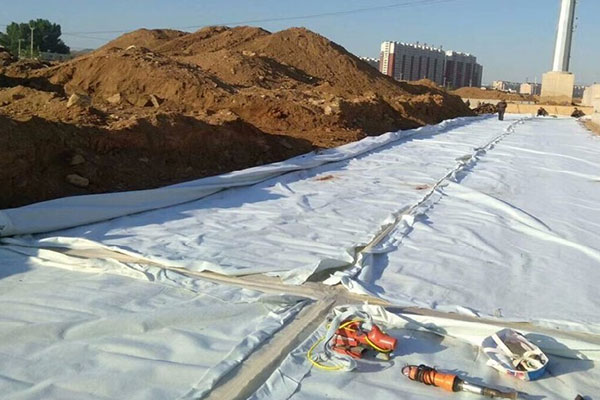
Key Uses of Geotextile Filter Fabric
1. Soil Filtration and Drainage Systems
One of the primary functions of geotextile filter fabric is to serve as a filter in drainage systems. It prevents the migration of fine particles from soil into drainage pipes or systems, thus maintaining the flow of water. This feature is particularly useful in applications like landfills, retaining walls, and road construction, where water drainage is critical to maintaining structural integrity.
2. Erosion Control
Geotextile filter fabrics help control soil erosion by stabilizing the soil and providing a barrier that reduces water runoff. In areas prone to heavy rainfall or along slopes, the fabric can be used in conjunction with other materials like rocks or vegetation to prevent soil loss. The fabric’s ability to allow water to pass through while holding soil in place makes it an effective tool in erosion-prone regions.
3. Separation in Construction Projects
Geotextile fabrics are often used for separation purposes in construction projects. They act as a barrier between different layers of soil or materials, preventing the intermixing of aggregates and fine materials. For example, in road construction, the fabric is placed between the subgrade and the gravel layers to prevent the migration of fine particles into the aggregates. This enhances the stability and longevity of the road structure.
4. Landfill Construction
In landfill design, geotextile filter fabrics are used to separate layers of soil and waste materials. They prevent the migration of pollutants and ensure the effective functioning of leachate collection systems. Additionally, they help distribute the weight of the waste evenly across the site, improving the landfill’s overall stability and efficiency.
5. Road and Pavement Construction
Geotextiles are commonly used in road and pavement construction to prevent the mixing of subgrade soil and aggregate materials. This separation reduces the risk of pavement deformation, improves drainage, and ensures the longevity of the pavement structure. The fabric’s permeability ensures that water flows through it while the soil particles remain intact, which is essential for maintaining the stability of the road.
6. Landscape and Garden Applications
In landscaping, geotextile fabrics can be used to prevent weed growth while allowing water and nutrients to pass through the soil. By placing the fabric between the soil and a layer of mulch or gravel, landscapers can maintain a clean, well-drained garden bed with minimal maintenance. It also helps in controlling erosion in areas with steep slopes.
7. Coastal Protection and River Bank Stabilization
In coastal areas and along riverbanks, geotextile filter fabrics play a critical role in protecting the shoreline from erosion. The fabric is placed beneath a layer of rocks or other protective materials to provide a filtration barrier while maintaining water flow. This helps to reduce the impact of waves and currents on the shoreline and prevents the loss of soil.
Benefits of Geotextile Filter Fabric
The use of geotextile filter fabric offers a wide range of benefits, making it a go-to solution for various engineering and construction projects. Some of the key advantages include:
- Enhanced Durability: Geotextile fabrics are made from durable synthetic materials that can withstand harsh environmental conditions, including high moisture and varying temperatures.
- Cost-Effective: While the initial cost may seem high, the long-term benefits of geotextile fabrics, such as improved drainage and reduced maintenance costs, make them a cost-effective choice in construction projects.
- Environmentally Friendly: Geotextiles help prevent soil erosion and pollution, contributing to environmental protection efforts. They also help manage water resources more effectively by preventing contamination of groundwater.
- Versatility: Geotextile fabrics come in various grades and types, making them suitable for a wide range of applications, from roads and highways to landscaping and environmental protection projects.
Conclusion
Geotextile filter fabric is a powerful material that offers a wide range of benefits in construction, erosion control, drainage systems, and environmental protection. Its ability to filter, separate, reinforce, and protect makes it an invaluable tool for improving the durability and performance of infrastructure projects. By incorporating geotextile fabrics into your construction projects, you ensure the long-term success and stability of the structures you build.