

What Are the Different Types of Geogrids?
Geogrids are essential materials in modern civil engineering, widely used for soil reinforcement, load distribution, and ground stabilization. Whether in road construction, retaining walls, or slope protection, geogrids significantly improve structural performance and longevity.
In this article, we’ll break down the different types of geogrids, their characteristics, and how to choose the right one for your project.
What is a Geogrid?
A geogrid is a geosynthetic material made from polymers such as polypropylene (PP), polyethylene (HDPE), or polyester (PET). It features a grid-like structure with open apertures that interlock with soil, aggregate, or other materials to enhance stability and load-bearing capacity.
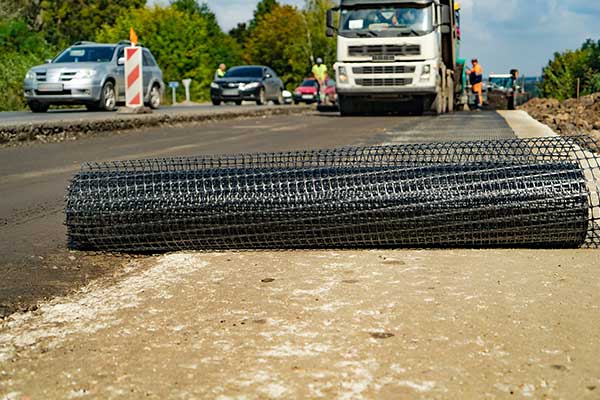
Main Types of Geogrids
Geogrids are generally classified based on their structure and manufacturing process. The three primary types are:
1. Uniaxial Geogrids
Uniaxial geogrids are designed with high tensile strength in one direction (usually the longitudinal direction).
Key Features:
- Strong tensile strength in a single direction
- Ideal for resisting lateral earth pressure
- Typically made from HDPE or PET
Applications:
- Retaining walls
- Steep slopes
- Embankments
Best For: Projects where force is primarily applied in one direction.
2. Biaxial Geogrids
Biaxial geogrids provide strength in both longitudinal and transverse directions.
Key Features:
- Balanced tensile strength in two directions
- Excellent load distribution
- Commonly made from polypropylene
Applications:
- Road base reinforcement
- Parking lots
- Pavements
Best For: Situations where loads are distributed in multiple directions, such as traffic surfaces.
3. Triaxial Geogrids
Triaxial geogrids feature a triangular aperture structure, offering multi-directional strength.
Key Features:
- 360-degree load distribution
- Superior stability under dynamic loads
- Advanced design for high-performance applications
Applications:
- Heavy-duty roads
- Railways
- Industrial yards
Best For: Projects requiring maximum stability and performance under complex loading conditions.
Classification by Manufacturing Method
In addition to structural types, geogrids can also be categorized based on how they are produced:
1. Extruded Geogrids
- Manufactured by stretching punched sheets of polymer
- Common for uniaxial and biaxial types
- Cost-effective and widely used
2. Woven Geogrids
- Made by weaving polyester or fiberglass yarns
- High tensile strength and flexibility
- Often coated with PVC for durability
3. Bonded (or Welded) Geogrids
- Produced by bonding or welding polymer strips
- Customizable strength and aperture size
- Suitable for specialized applications
How to Choose the Right Geogrid
Selecting the appropriate geogrid depends on several factors:
- Load Requirements: Heavy loads may require triaxial or high-strength biaxial geogrids
- Soil Conditions: Weak or soft soils benefit from stronger reinforcement
- Application Type: Retaining walls vs. road construction require different grid properties
- Environmental Factors: UV resistance, chemical exposure, and temperature
Advantages of Using Geogrids
- Improved soil stability
- Reduced material usage (less aggregate required)
- Extended lifespan of infrastructure
- Cost-effective reinforcement solution
- Easy installation
Conclusion
Understanding the different types of geogrids is crucial for selecting the right solution for your construction project. Each type serves a specific purpose, and choosing the correct one can significantly impact performance, durability, and cost-efficiency.