

What is HDPE Geomembrane? A Comprehensive Guide
In the world of civil engineering and environmental protection, HDPE geomembrane is a crucial material that plays a significant role in ensuring the safety and sustainability of various projects. In this article, we’ll explore what HDPE geomembrane is, its applications, and why it’s so important in various industries.
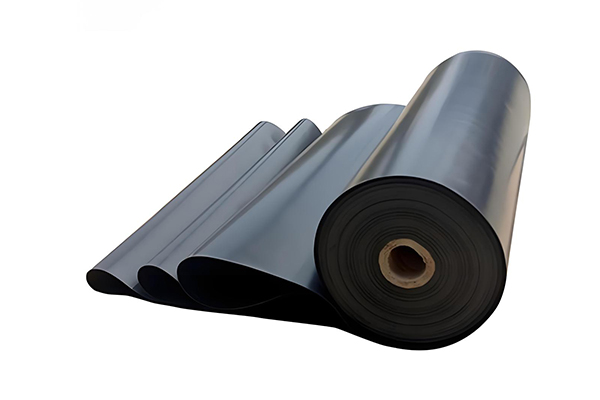
What is HDPE Geomembrane?
HDPE (High-Density Polyethylene) geomembrane is a type of synthetic material commonly used for lining and sealing applications in civil engineering, environmental, and construction projects. It is a waterproof barrier that prevents the leakage of liquids or gases, making it ideal for a variety of uses, including landfills, reservoirs, ponds, and other infrastructure where contamination control is critical.
Key Features of HDPE Geomembrane
- Durability: HDPE geomembranes are highly durable and designed to withstand harsh environmental conditions, including extreme temperatures, UV radiation, and chemical exposure. Their resistance to physical wear and tear ensures long-term performance in applications like landfills and waste containment.
- Impermeability: The primary function of an HDPE geomembrane is to provide a barrier that is impermeable to liquids, gases, and other contaminants. This makes it an excellent choice for environmental protection and pollution control.
- Chemical Resistance: HDPE geomembranes are resistant to a wide range of chemicals, including acids, alkalis, and solvents, making them ideal for applications where toxic or hazardous materials may be present.
- Flexibility: Despite their strength, HDPE geomembranes are relatively flexible. This flexibility allows them to conform to complex shapes and surfaces, ensuring that they are highly adaptable for various applications.
- Ease of Installation: HDPE geomembranes are lightweight and easy to install. They can be heat-welded to form seamless joints, minimizing the risk of leaks and making installation a straightforward process.
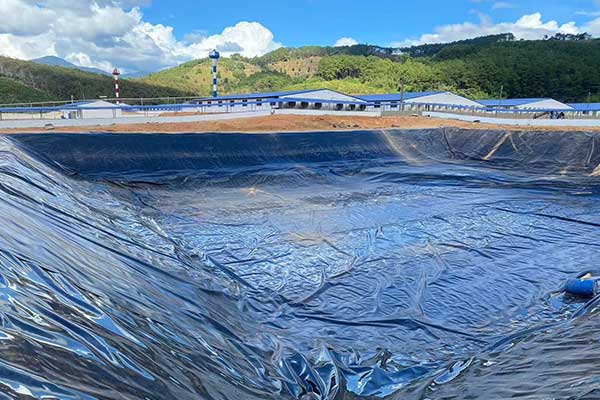
Applications of HDPE Geomembrane
The versatility of HDPE geomembranes makes them suitable for a wide range of applications in different industries. Here are some of the most common uses:
1. Landfills
One of the primary uses of HDPE geomembranes is in landfill lining systems. They prevent the migration of leachate and hazardous chemicals into the surrounding soil and groundwater, thereby protecting the environment and ensuring regulatory compliance.
2. Water Reservoirs and Ponds
HDPE geomembranes are often used to line water reservoirs, ponds, and irrigation canals. They prevent water leakage, reduce evaporation, and ensure water quality remains unaffected by soil contamination.
3. Mining
In mining operations, HDPE geomembranes are used to line tailings ponds, heap leach pads, and waste disposal sites. They protect surrounding ecosystems from toxic substances released by mining activities.
4. Wastewater Treatment
HDPE geomembranes are commonly used in wastewater treatment plants, particularly for lining digesters, ponds, and lagoons. They prevent leakage of harmful chemicals into the surrounding environment while also containing odors and waste byproducts.
5. Agriculture and Aquaculture
In agriculture, HDPE geomembranes are used to line irrigation ponds and reservoirs, ensuring that water resources are effectively contained and protected. They are also used in fish farming to create secure and clean environments for aquaculture.
6. Dams and Levees
HDPE geomembranes are employed to line dams and levees to ensure water containment, prevent seepage, and enhance the structural integrity of these critical infrastructure projects.
Advantages of HDPE Geomembranes
- Cost-Effective: HDPE geomembranes are relatively affordable compared to other liner materials, making them a cost-effective solution for large-scale projects.
- Sustainability: HDPE is a recyclable material, which adds an environmental benefit. This makes HDPE geomembranes an environmentally friendly option for many projects.
- Long-Term Performance: Due to their resistance to weathering, chemicals, and UV radiation, HDPE geomembranes can last for decades with minimal maintenance, providing excellent long-term performance and value.
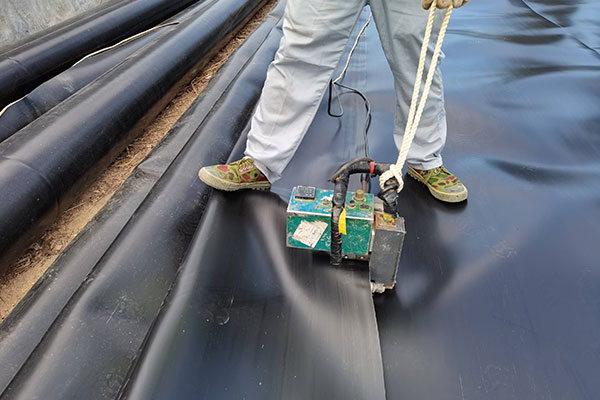
Installation and Maintenance of HDPE Geomembranes
Installation of HDPE geomembranes typically requires specialized equipment and expertise. The membranes are rolled out over the prepared surface and then heat-welded or mechanically fastened together to form a seamless barrier. In many cases, a geotechnical engineer is needed to ensure proper installation, especially when dealing with large or complex projects.
Maintenance of HDPE geomembranes involves regular inspections for punctures or damage and repair as needed. Since HDPE geomembranes are highly resistant to degradation, their maintenance requirements are minimal, and they can continue performing effectively for many years.
Conclusion
HDPE geomembrane is a vital material in various industries, offering an effective solution for environmental protection, waste containment, and water management. Its durability, impermeability, and chemical resistance make it the preferred choice for many critical infrastructure projects. Whether it’s for a landfill, a water reservoir, or a mining operation, HDPE geomembranes provide a reliable and cost-effective way to manage environmental risks and ensure long-term protection.
If you’re considering using HDPE geomembranes in your next project, you can contact us directly for more information.