

What is Cold Mix Asphalt? A Comprehensive Guide
Cold mix asphalt is one of the most practical and cost-effective materials used in road maintenance and small-scale pavement repair. Unlike traditional hot mix asphalt, it does not require high temperatures during production or application, making it easier to use in remote areas, emergency repairs, and low-traffic road construction.
In this article, we will explain what cold mix asphalt is, how it works, its advantages, applications, and how it compares to hot mix asphalt.
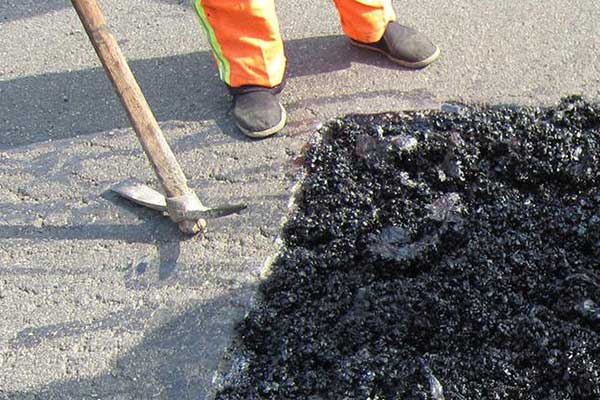
What is Cold Mix Asphalt?
Cold mix asphalt is a type of asphalt mixture that is produced and applied at ambient temperatures. It is made by mixing aggregates (stone, sand, and gravel) with bitumen emulsion or cutback bitumen without heating the materials.
Because it does not require heating, cold mix asphalt can be stored for longer periods and used directly from storage when needed.
In simple terms, cold mix asphalt is a ready-to-use road repair material designed for convenience, flexibility, and quick application.
How Cold Mix Asphalt is Made
Cold mix asphalt is typically produced using the following components:
- Aggregates: crushed stone, sand, or gravel
- Bitumen emulsion: asphalt binder mixed with water and emulsifying agents
- Additives (optional): improve workability, durability, or curing time
Production Process:
- Aggregates are prepared and graded
- Bitumen emulsion is mixed with aggregates at room temperature
- The mixture is stored in bags, drums, or stockpiles
- It remains usable for weeks or even months depending on formulation
Key Features of Cold Mix Asphalt
Cold mix asphalt has several distinct characteristics:
- No heating required during production or application
- Can be stored for long periods
- Easy to transport and handle
- Suitable for emergency repairs
- Can be applied in wet or cold conditions
- Environmentally friendly compared to hot mix asphalt
Advantages of Cold Mix Asphalt
Cold mix asphalt is widely used because of its practical benefits:
- Cost-Effective: It eliminates the need for heating equipment and reduces energy consumption.
- Easy Application: Workers can apply it manually, making it ideal for small repairs and rural roads.
- Year-Round Use: Unlike hot mix asphalt, it can be used in cold or damp weather conditions.
- Storage Flexibility: It can be stored and reused, reducing material waste.
- Ideal for Emergency Repairs: Perfect for fixing potholes and road damage quickly without mobilizing heavy machinery.
Disadvantages of Cold Mix Asphalt
While useful, cold mix asphalt also has limitations:
- Lower strength compared to hot mix asphalt
- Not ideal for heavy traffic roads
- Longer curing time
- May require compaction for durability
Common Applications of Cold Mix Asphalt
Cold mix asphalt is widely used in road maintenance and temporary construction work, including:
- Pothole repair
- Shoulder repairs
- Rural road maintenance
- Temporary road surfacing
- Utility trench backfilling
- Emergency road restoration after weather damage
Cold Mix Asphalt vs Hot Mix Asphalt
| Feature | Cold Mix Asphalt | Hot Mix Asphalt |
|---|---|---|
| Production temperature | Room temperature | 150–180°C |
| Storage life | Long (weeks/months) | Short (must be used quickly) |
| Strength | Moderate | High |
| Application | Easy, manual possible | Requires machinery |
| Best use | Repairs, light traffic | Highways, heavy traffic |
How Long Does Cold Mix Asphalt Last?
The lifespan of cold mix asphalt depends on traffic load, climate, and installation quality. Generally:
- Temporary repairs: 6 months – 2 years
- Properly compacted applications: up to 3–5 years
It is mainly designed as a maintenance solution rather than a permanent pavement structure.
Installation Tips for Best Results
To ensure better performance:
- Clean the repair area before application
- Remove loose debris and water if possible
- Apply in thin layers for better compaction
- Compact properly using manual or mechanical rollers
- Avoid heavy traffic immediately after installation
FAQs
It is usually a semi-permanent or temporary solution, especially for road repairs.
Yes, it can be applied in wet conditions, though dry surfaces improve performance.
No, it can be applied manually or with basic tools.
Cold mix asphalt offers some moisture resistance, but excessive water exposure may reduce its lifespan over time.
Conclusion
Cold mix asphalt is a highly practical and flexible material for road repair and maintenance. Its ease of use, low cost, and ability to be applied in various weather conditions make it an essential solution for emergency repairs and rural infrastructure projects.
If you are looking for a dependable, easy-to-use, and cost-effective solution for road repair and maintenance, Roadsky provides high-quality cold mix asphalt designed for long-lasting performance and convenient application in all weather conditions. Contact us today to request a quote, technical support, or product details.