

What Size Air Compressor Do I Need? A Comprehensive Guide
Choosing the right air compressor size is crucial for both efficiency and safety, whether you’re a DIY enthusiast, a small workshop owner, or managing a large industrial operation. An undersized air compressor can slow down your work, while an oversized unit can waste money and energy. This guide will help you determine the perfect air compressor size for your needs.
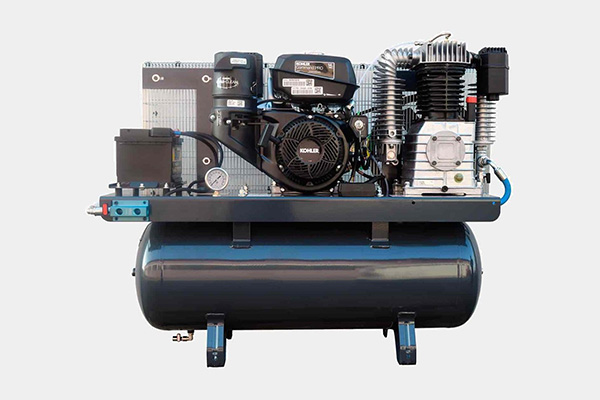
Understanding Air Compressor Basics
Before diving into sizes, it’s important to understand a few key terms:
- CFM (Cubic Feet per Minute): Measures the volume of air the compressor can deliver.
- PSI (Pounds per Square Inch): Indicates the pressure of the air.
- Tank Size: The volume of air the tank can store, usually measured in gallons.
Knowing these specifications will help you match an air compressor to your tools and applications.
Step 1: Identify Your Air Tool Requirements
Different tools require different air volumes and pressures:
| Tool Type | Typical CFM | Typical PSI |
|---|---|---|
| Nail Gun | 2–4 | 70–120 |
| Impact Wrench | 4–5 | 90–120 |
| Spray Gun | 4–6 | 30–50 |
| Sanders | 3–5 | 90–120 |
| Ratchet | 2–3 | 90–120 |
Step 2: Determine Peak vs. Continuous Use
Air compressors are rated for either continuous or intermittent use:
- Continuous Use: Required for tools like sanders and spray guns that operate for long periods.
- Intermittent Use: Suitable for nail guns or airbrushes that are used in short bursts.
If you plan to run tools continuously, consider a larger tank and higher CFM rating to prevent the compressor from constantly cycling on and off.
Step 3: Decide on Tank Size
The tank stores compressed air, allowing for consistent performance. Here’s a simple guide:
- Small tanks (1–6 gallons): Portable, ideal for small DIY tasks like inflating tires or stapling.
- Medium tanks (8–20 gallons): Good for general home use and occasional power tools.
- Large tanks (30+ gallons): Best for professional workshops and continuous high-demand applications.
Remember, tank size does not directly affect the power of the compressor; it affects how long you can use your tools before the compressor needs to refill the tank.
Step 4: Match PSI and CFM to Your Needs
Once you know your tools’ PSI and CFM, select a compressor that meets or slightly exceeds those requirements.
Example: If your spray gun needs 4 CFM at 40 PSI, and your nail gun needs 2 CFM at 90 PSI, a compressor rated for 5 CFM at 90 PSI with a 20-gallon tank would cover both applications.
Step 5: Consider Power Source and Portability
- Electric compressors: Quiet, low maintenance, ideal for indoor use.
- Gas compressors: More powerful and portable, suitable for outdoor construction sites.
- Portability: If you move your compressor between jobs, look for lightweight, wheeled models.
Step 6: Future-Proof Your Purchase
It’s tempting to buy the smallest compressor that meets your immediate needs. However, considering future tools or expansion ensures your compressor lasts longer and avoids frequent upgrades.
Quick Tips for Choosing the Right Size
- Always check the CFM and PSI requirements of all tools you plan to use simultaneously.
- Choose a slightly larger compressor than your maximum tool demand for safety.
- Consider your working environment—portable vs. stationary, indoor vs. outdoor.
- Account for continuous vs. intermittent use.
Conclusion
Selecting the right air compressor size comes down to understanding your tools, usage patterns, and workspace. By calculating your CFM and PSI needs, choosing an appropriate tank size, and considering portability, you can ensure optimal performance and efficiency.
Investing in the right air compressor will save time, reduce wear on your tools, and improve productivity—whether you’re a DIY hobbyist or a professional contractor.