

How Long Does Nonwoven Geotextile Last?
Nonwoven geotextiles are widely used in civil engineering, landscaping, and road construction projects due to their excellent filtration, drainage, and reinforcement properties. However, one of the most common questions among engineers, contractors, and project planners is: how long does nonwoven geotextile last? Understanding its lifespan is crucial for ensuring long-term project stability and cost efficiency.
What is Nonwoven Geotextile?
Nonwoven geotextiles are synthetic fabrics made from polypropylene or polyester fibers. Unlike woven geotextiles, which are mechanically interlaced, nonwoven geotextiles are produced using needle-punching, heat bonding, or chemical bonding methods. Their primary functions include:
- Soil separation
- Filtration and drainage
- Erosion control
- Reinforcement of subgrade and slopes
These properties make them an essential material in highways, railways, embankments, and landscaping applications.
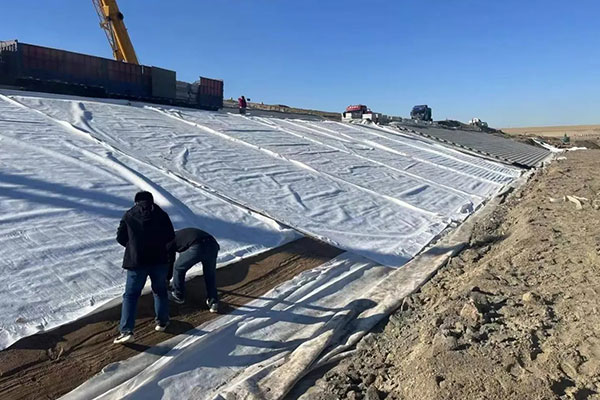
Factors Affecting the Lifespan of Nonwoven Geotextile
The lifespan of nonwoven geotextile is not fixed. It depends on several environmental and mechanical factors:
1. Material Quality
High-quality polypropylene (PP) or polyester (PET) geotextiles tend to last longer. Manufacturers often provide UV-resistant and chemically-stabilized options, which can significantly improve durability.
2. UV Exposure
Direct sunlight accelerates the degradation of geotextile fibers. If exposed for long periods before installation, UV radiation can weaken the material, reducing its lifespan. Using UV-stabilized geotextiles or minimizing exposure before covering with soil can prevent this.
3. Soil Conditions
The type of soil and the presence of aggressive chemicals, acids, or salts can influence geotextile durability. Nonwoven geotextiles buried in neutral soil tend to last longer than those in highly acidic or alkaline soils.
4. Load and Stress
Geotextiles used in high-traffic areas or under heavy loads may experience mechanical stress that can shorten their lifespan. Proper installation and soil compaction help distribute stress evenly, extending service life.
5. Installation Practices
Improper installation—such as folding, tearing, or puncturing the geotextile—can drastically reduce its lifespan. Always follow manufacturer guidelines for trenching, anchoring, and overlap.
Typical Lifespan of Nonwoven Geotextile
While the lifespan varies depending on the above factors, nonwoven geotextiles are generally designed to last 20 to 50 years in optimal conditions.
- Short-term applications: 10–15 years, suitable for temporary erosion control or landscaping projects.
- Long-term applications: 25–50 years, suitable for roads, railways, and other civil engineering projects with proper burial and minimal UV exposure.
It’s important to note that “lifespan” refers to the material maintaining its essential functions (separation, filtration, reinforcement), not necessarily its physical appearance.
Tips to Extend the Lifespan of Nonwoven Geotextile
- Minimize UV Exposure: Store rolls in shaded areas and cover them before installation.
- Avoid Physical Damage: Handle carefully during transportation and installation to prevent tears.
- Proper Soil Coverage: Ensure adequate soil thickness above the geotextile to protect it from mechanical wear.
- Use Chemical-Resistant Types: For harsh soil or groundwater conditions, select geotextiles with chemical stabilization.
Conclusion
Nonwoven geotextiles are durable and versatile materials crucial for modern civil engineering and landscaping projects. By selecting high-quality materials, following proper installation practices, and protecting them from extreme conditions, you can ensure your nonwoven geotextile lasts two to five decades, providing reliable performance throughout its service life.