

What is Geomembrane? Types, Uses, and Benefits
Geomembrane is one of the most widely used geosynthetic materials in modern civil engineering, environmental protection, mining, agriculture, and water management. Known for its excellent impermeability, durability, and chemical resistance, geomembrane plays a critical role in containment and lining applications where preventing liquid or gas leakage is essential.
Whether you are designing a landfill, constructing a fish pond, or managing industrial wastewater, understanding geomembranes can help you choose the right solution for long-term performance and environmental safety.
What is Geomembrane?
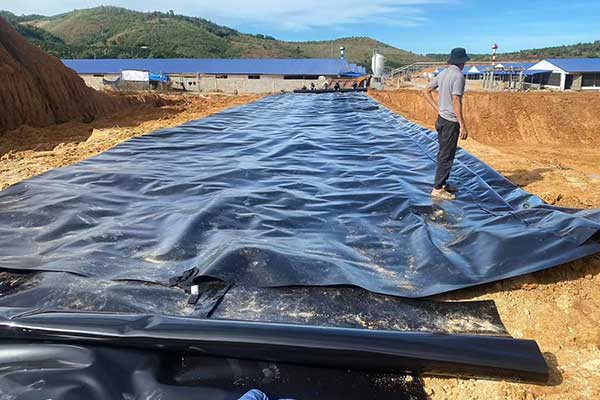
A geomembrane is a synthetic membrane liner or barrier with very low permeability, designed to control fluid or gas migration in a structure, system, or project. It is manufactured from polymeric materials and is primarily used as an impermeable lining.
Geomembranes are typically produced in sheet form and installed over soil, rock, concrete, or other substrates to create a reliable containment barrier. Their primary purpose is to prevent seepage, leakage, and contamination.
How Does a Geomembrane Work?
Geomembranes function as an impermeable barrier that blocks the passage of liquids, gases, and contaminants. When properly installed, they create a continuous protective layer that isolates contained materials from the surrounding environment.
This barrier helps:
- Prevent groundwater contamination
- Reduce water loss through seepage
- Contain hazardous or non-hazardous waste
- Protect soil and nearby ecosystems
- Improve operational efficiency in water and waste management systems
Common Types of Geomembranes
Different applications require different geomembrane materials. The most common types include:
1. HDPE Geomembrane (High-Density Polyethylene)
HDPE geomembrane is the most widely used type due to its outstanding chemical resistance, UV stability, and cost-effectiveness. It is ideal for harsh environments and large-scale containment projects.
2. LLDPE Geomembrane (Linear Low-Density Polyethylene)
LLDPE geomembrane offers greater flexibility and elongation than HDPE, making it suitable for applications requiring better conformability to uneven surfaces.
3. PVC Geomembrane (Polyvinyl Chloride)
PVC geomembrane is highly flexible and easy to install. It is commonly used in water containment and architectural applications.
4. EPDM Geomembrane (Ethylene Propylene Diene Monomer)
EPDM geomembrane is a rubber-based liner known for exceptional flexibility and weather resistance.
Main Applications of Geomembranes
Geomembranes are used in a wide range of industries and projects.
Environmental Protection
- Landfill liners and covers
- Hazardous waste containment
- Secondary containment for chemical storage
- Contaminated site remediation
Water Management
- Reservoir lining
- Irrigation canals
- Water storage ponds
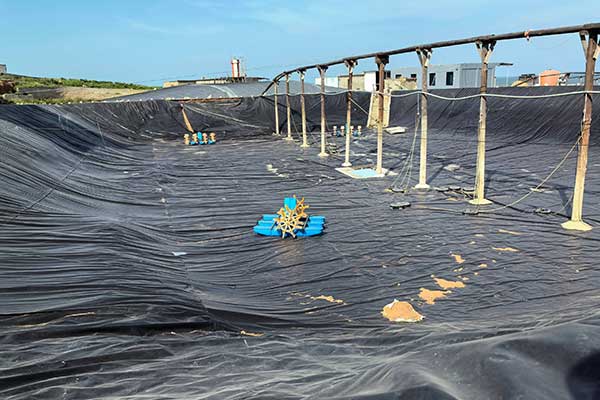
- Aquaculture and fish ponds
- Wastewater lagoons
Mining Industry
- Heap leach pads
- Tailings ponds
- Process solution ponds
- Evaporation ponds
Civil Engineering
- Tunnel waterproofing
- Foundation waterproofing
- Dam and canal lining
- Road and railway moisture barriers
Benefits of Using Geomembranes
Choosing geomembrane liners offers numerous advantages:
- Outstanding impermeability
- Cost-effective containment solution
- Fast installation
- Reduced maintenance requirements
- Long service life
- Environmental protection compliance
- Resistance to chemicals and weathering
These benefits make geomembranes an essential material in modern infrastructure and environmental projects.
How to Choose the Right Geomembrane
Selecting the appropriate geomembrane depends on several factors:
- Application type
- Chemical exposure
- UV exposure conditions
- Required flexibility
- Mechanical load requirements
- Site conditions and subgrade quality
- Installation method
- Budget considerations
For most industrial and environmental applications, HDPE geomembrane is the preferred choice due to its durability and chemical resistance.
Geomembrane Installation Considerations
Proper installation is essential for performance and longevity. Key considerations include:
- Subgrade preparation
- Panel layout planning
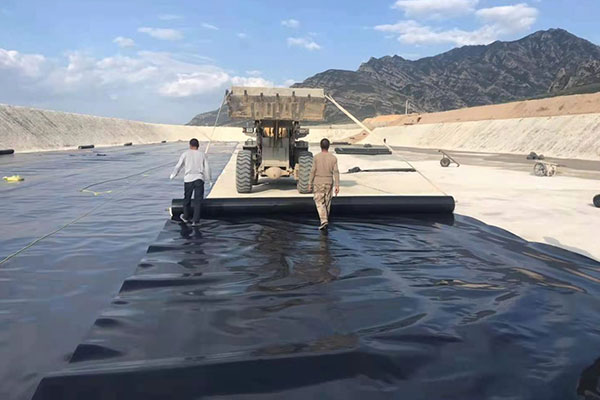
- Thermal welding quality
- Seam testing and inspection
- Anchor trench design
- Protection against puncture damage
Professional installation ensures maximum performance and minimizes leakage risks.
FAQs
HDPE offers higher chemical resistance and stiffness, while LLDPE provides greater flexibility and elongation.
Depending on the material, installation quality, and environmental conditions, a geomembrane can last 20 to 100 years or more.
Yes. Geomembranes help protect natural resources by preventing contamination and minimizing water loss.
Yes, damaged geomembranes can typically be repaired using patch welding or extrusion welding techniques.
Geomembranes are impermeable liners designed for containment, while geotextiles are permeable fabrics used for filtration, separation, reinforcement, and drainage. They are often used together in geotechnical and environmental engineering projects.
The appropriate thickness depends on the application. Common thicknesses range from 0.5 mm to 3.0 mm. For example, aquaculture ponds often use 0.75–1.0 mm liners, while landfills and mining projects may require 1.5–2.5 mm or thicker.
Conclusion
A geomembrane is a highly effective impermeable liner used to control the movement of liquids and gases in environmental, civil, mining, and water management applications. Thanks to its durability, chemical resistance, and excellent containment properties, it has become a critical material in modern engineering.
If you are looking for high-quality geomembrane solutions for your next project, you can contact us directly for more information.