

Asphalt Crack Sealant: Uses, Benefits, and Application Guide
Asphalt surfaces are widely used in roads, driveways, parking lots, and industrial areas due to their durability and cost-effectiveness. However, over time, exposure to sunlight, rain, traffic loads, and temperature fluctuations causes cracking. One of the most effective solutions for preventing further damage and extending pavement life is asphalt crack sealant.
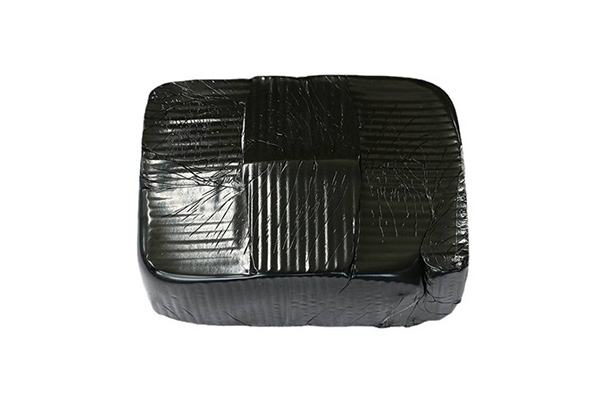
What is Asphalt Crack Sealant?
Asphalt crack sealant is a specialized material used to fill and seal cracks in asphalt pavement. It prevents water, debris, and chemicals from penetrating beneath the surface, which can otherwise lead to potholes, base failure, and costly structural damage.
The sealant is typically made from:
- Rubberized asphalt compounds
- Polymer-modified bitumen
- Hot-pour or cold-applied asphalt emulsions
Its main purpose is not just to fill cracks, but to seal them flexibly, allowing the pavement to expand and contract with temperature changes.
Why Asphalt Cracks Form
Understanding why cracks form helps in choosing the right repair method. Common causes include:
- Temperature Changes: Asphalt expands in heat and contracts in cold, leading to stress fractures.
- Oxidation: Sun exposure causes asphalt to dry out and become brittle over time.
- Heavy Traffic Loads: Continuous vehicle pressure weakens the pavement structure.
- Water Infiltration: Water entering small cracks erodes the base layer and expands cracks during freeze-thaw cycles.
Benefits of Using Asphalt Crack Sealant
Applying crack sealant is one of the most cost-effective maintenance strategies for asphalt surfaces.
- Prevents Further Damage: Sealing cracks early stops them from expanding into potholes.
- Extends Pavement Lifespan: Proper sealing can add years to the life of asphalt surfaces.
- Improves Safety: Reduces tripping hazards and vehicle damage risks.
- Cost Savings: Crack sealing is significantly cheaper than full resurfacing or replacement.
- Water Resistance: Blocks water infiltration, protecting the base layers from erosion.
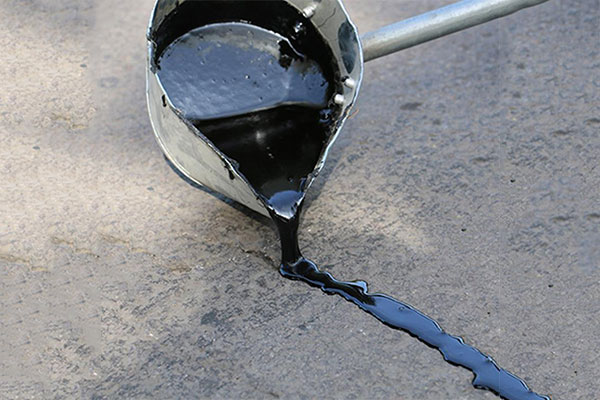
Application Process of Asphalt Crack Sealant
Proper installation is essential for long-lasting performance.
Step 1: Crack Cleaning
Remove dust, vegetation, oil, and debris using air blowers or wire brushes.
Step 2: Heating or Preparation
For hot-pour sealants, heat the material to the manufacturer’s recommended temperature.
Step 3: Sealant Application
Apply sealant directly into the crack using a pour pot or applicator wand.
Step 4: Smoothing and Leveling
Ensure the sealant slightly overfills or is leveled for proper bonding.
Step 5: Cooling and Curing
Allow time for the material to cure before reopening traffic.
Common Mistakes to Avoid
- Applying sealant on dirty or wet surfaces
- Overfilling or underfilling cracks
- Using the wrong type of sealant for climate conditions
- Ignoring small cracks until they grow larger
When Should You Use Asphalt Crack Sealant?
You should apply crack sealant when:
- Cracks are visible but not yet structural failures
- Crack width is typically less than 1 inch
- You want preventive maintenance before winter or rainy seasons
Early intervention is key to avoiding expensive repairs later.
Conclusion
Asphalt crack sealant is an essential maintenance solution for protecting asphalt surfaces from water damage, weathering, and structural deterioration. Whether used on highways, parking lots, or residential driveways, it helps extend pavement life, improve safety, and reduce long-term repair costs.
Regular inspection and timely sealing of cracks can dramatically improve the performance and durability of any asphalt surface.
If you need a reliable asphalt crack sealant, contact us for product details, technical support, and bulk pricing solutions. We’re ready to help you choose the right option for your project and keep your pavement in better condition for longer.