

How Wide is a Mini Excavator?
Mini excavators are popular for construction, landscaping, utility work, and other projects where working space is limited. One of the most important dimensions to check before choosing a machine is its width.
So, how wide is a mini excavator?
Most mini excavators are approximately 700 mm to 2,000 mm (2.3 to 6.6 ft) wide, depending on the machine size, operating weight, undercarriage design, and track configuration. Very small compact excavators can pass through narrow gates, while larger mini excavators require more working and transportation space.
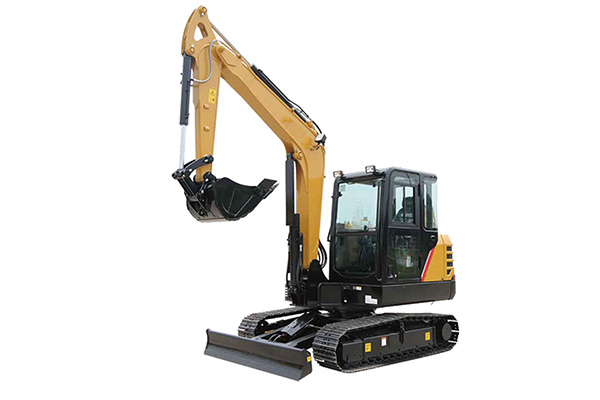
Typical Mini Excavator Width by Size
The following table gives a general reference:
| Mini Excavator Size | Typical Width |
|---|---|
| 1 ton | 700–1,000 mm |
| 1.5–2 ton | 900–1,300 mm |
| 2.5–3 ton | 1,300–1,550 mm |
| 3.5–4 ton | 1,500–1,750 mm |
| 5–6 ton | 1,850–2,000 mm |
These dimensions are approximate. The actual width depends on the manufacturer and specific model.
Some compact mini excavators also use an adjustable or retractable undercarriage, allowing the track width to become narrower when passing through restricted areas and wider during operation for better stability.
Why Mini Excavator Width Matters
Mini excavator width affects more than whether the machine fits through an entrance. It also influences transportation, stability, and jobsite accessibility.
1. Access to Narrow Work Areas
For landscaping, residential construction, indoor demolition, and backyard projects, machine width is especially important.
A compact mini excavator may need to pass through:
- Gates
- Alleys
- Doorways
- Narrow paths
- Spaces between buildings
For example, if the available entrance is only 1 meter wide, you may need a 1-ton mini excavator or similarly compact excavator with a retractable undercarriage.
2. Machine Stability
Generally, a wider undercarriage provides better stability, especially when digging, lifting, or operating on uneven ground.
However, wider machines also require more working space. Buyers therefore need to balance accessibility and stability according to the jobsite.
3. Transportation Requirements
Width is also important when transporting a mini excavator by trailer or truck.
Before purchasing a machine, check:
- Overall machine width
- Trailer bed width
- Loading ramp width
- Excavator operating weight
The machine should fit safely on the transport vehicle with enough space for proper securing.
How to Choose the Right Mini Excavator Width
Before selecting a mini excavator, measure the narrowest point the machine must pass through.
You should also consider:
- Jobsite entrance width
- Available operating space
- Required digging depth
- Required lifting capacity
- Ground conditions
- Transportation method
Do not choose the narrowest machine simply because it is easier to access the jobsite. The excavator must also provide enough stability, power, and digging capacity for the work.
If access is limited, a model with an expandable undercarriage can be a practical solution.
Conclusion
Now you know that most mini excavators are approximately 700 mm to 2,000 mm wide, although the exact dimension depends on the machine size and design.
Small 1-ton excavators can be less than 1 meter wide, while 5-ton and 6-ton machines may approach 2 meters. Before purchasing a mini excavator, always check the manufacturer’s overall width specification and compare it with your jobsite access and transportation requirements.