

Scissor Lift vs Boom Lift: What’s the Difference?
When it comes to working at height, choosing the right aerial work platform (AWP) can significantly improve safety, efficiency, and project cost. The two most commonly used AWPs are scissor lifts and boom lifts. Although both elevate workers and tools, they serve different purposes and excel in different environments.
This guide will break down the differences, advantages, disadvantages, and applications of scissor lifts and boom lifts so you can choose the best equipment for your project.
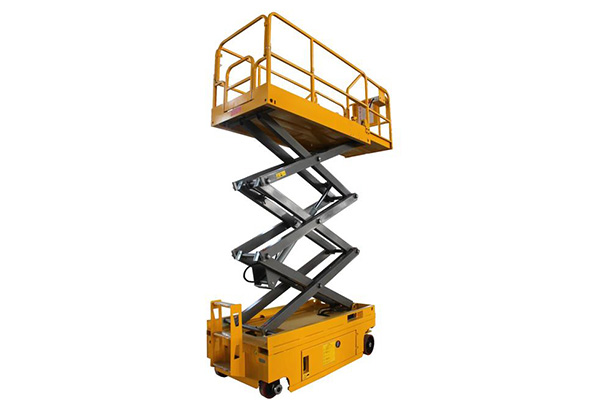
What is a Scissor Lift?
A scissor lift is a vertical access platform that moves straight up and down using a crisscross “scissor-like” mechanism. It provides a stable and spacious platform, often with high load capacity.
Key Features of Scissor Lifts
- Vertical lifting only
- Larger platform area for multiple workers and tools
- Higher load capacity
- Designed for indoor or smooth outdoor floors
- Lower maximum height compared to boom lifts
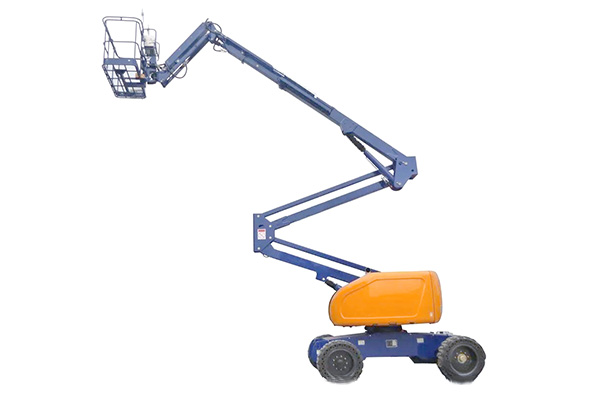
What is a Boom Lift?
A boom lift (also known as a cherry picker or man lift) features a hydraulic arm that can extend both vertically and horizontally, allowing workers to reach difficult or obstructed areas.
There are two main types:
- Articulating Boom Lift (Knuckle Boom) – Offers greater flexibility with its segmented boom arm.
- Telescopic Boom Lift (Stick Boom) – Provides extended horizontal reach and maximum height.
Key Features of Boom Lifts
- Vertical + horizontal reach
- Ability to reach over obstacles
- Higher working heights
- More maneuverable in complex environments
- Smaller platform and lower load capacity than scissor lifts
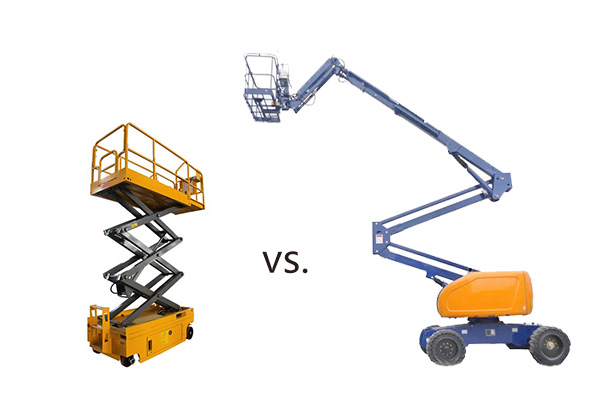
Scissor Lift vs Boom Lift: Side-by-Side Comparison
| Feature | Scissor Lift | Boom Lift |
|---|---|---|
| Lift Direction | Vertical only | Vertical + horizontal |
| Working Height | 6–18 m (typical) | 12–60 m (depending on type) |
| Platform Size | Larger | Smaller |
| Load Capacity | Higher (up to 1,000+ kg) | Lower (usually under 270 kg) |
| Maneuverability | Limited | Excellent—can reach over obstacles |
| Cost | Lower | Higher |
| Stability | Very stable | Stable but more sway due to height |
When to Choose a Scissor Lift
Choose a scissor lift if your job requires:
- Working straight up with no need to reach over obstacles
- A large platform for multiple workers
- Heavy tools or materials
- A more budget-friendly lifting solution
- Stable operation on level ground
Ideal industries and applications:
- Warehousing & logistics
- Mechanical & electrical installation
- Ceiling work
- Indoor construction finishing
- Retail maintenance
When to Choose a Boom Lift
Choose a boom lift if your job requires:
- High elevation, often above 20 meters
- Horizontal outreach to access hard-to-reach areas
- Navigating obstacles, such as roofs, machinery, or trees
Ideal industries and applications:
- Building construction
- Window cleaning and facade repair
- Utility and telecom work
- Tree trimming
- Outdoor signage installation
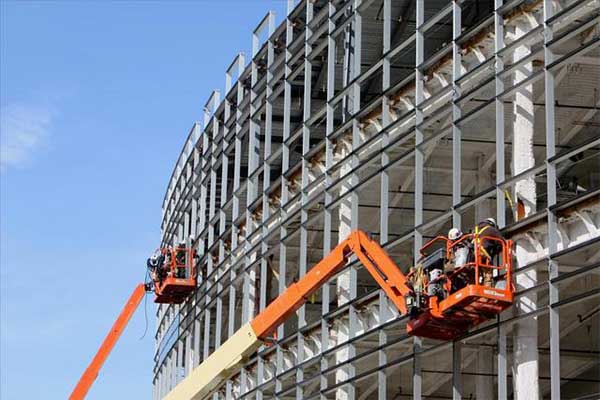
Safety Considerations for Scissor and Boom Lifts
Regardless of which lift you choose, safe operation is essential.
Scissor Lift Safety Tips
- Use on stable, level ground
- Avoid overloading the platform
- Ensure guardrails and toe boards are intact
- Use outriggers if required
Boom Lift Safety Tips
- Always wear a safety harness
- Be cautious of overhead power lines
- Check wind speed before operation
- Operate on firm ground to avoid tipping
- Follow manufacturer load and height limits
Which Lift Should You Choose?
Your choice depends on your project’s height requirement, workspace limitations, and budget:
- Choose scissor lift for a cost-effective option, heavier loads, and stable vertical lifting.
- Choose boom lift for high elevation, horizontal outreach, and outdoor access over obstacles.
Frequently Asked Questions (FAQ)
Both are safe when used properly. Scissor lifts are more stable, while boom lifts require more operator skill.
No. A scissor lift cannot provide horizontal reach needed for exterior building or high-access tasks.
Yes, rough-terrain scissor lifts with four-wheel drive and larger tires are designed for outdoor use. However, they are still limited to vertical lifting and require relatively stable ground conditions.
Typically up to 18 meters (60 feet). Some specialized models may extend higher.
Boom lifts generally require more maintenance due to their longer arms, articulating joints, and complex hydraulic systems. Scissor lifts have a simpler structure, making them easier and cheaper to maintain.
Conclusion
Understanding the differences between scissor lifts and boom lifts helps you select the safest and most efficient aerial platform for your job. Each lift type has strengths that suit specific environments and tasks. Evaluating height requirements, reach, load capacity, and jobsite conditions will ensure you choose the right machine and maintain productivity.
Get the Right Lift for Your Project with RoadSky
Whether you need a scissor lift for stable indoor work or a boom lift for outdoor projects, RoadSky provides a wide range of high-quality aerial work platforms built for safety, reliability, and performance. Contact RoadSky now to find the perfect lift for your needs.