

How to Choose the Right Aerial Lift for Your Worksite
Selecting the right aerial lift can significantly improve your team’s productivity, efficiency, and on-site safety. With so many lift types—scissor lifts, boom lifts, vertical mast lifts, and more—choosing the best one depends on your project’s height requirements, terrain conditions, load capacity needs, and the nature of the job.
This guide walks you through all the important factors so you can confidently choose the right aerial lift for your worksite.
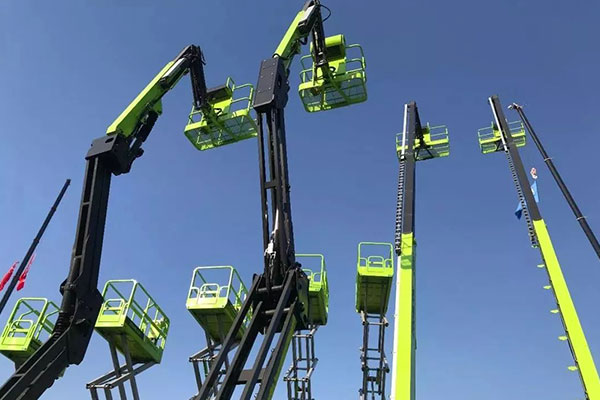
Understand the Main Types of Aerial Lifts
Before choosing a lift, it’s important to know the differences between each type. The right equipment depends largely on your task.
1. Scissor Lifts
- Best for: Indoor maintenance, warehouse work, flat construction floors
- Platform: Vertical lifting only
- Height range: 6–18 meters (approx.)
- Advantages: Large platform, strong load capacity, stable
2. Boom Lifts (Articulating & Telescopic)
- Best for: Outdoor projects, uneven ground, reaching over obstacles
- Platform: Flexible extension and articulation
- Height range: Up to 40+ meters
- Advantages: Maximum reach, excellent maneuverability
3. Vertical Mast Lifts
- Best for: Tight indoor spaces, facility maintenance
- Platform: Compact vertical lift
- Advantages: Very narrow footprint, easy transport
4. Towable Boom Lifts
- Best for: Projects requiring mobility across multiple sites
- Platform: Boom lift mounted on towable trailer
- Advantages: Cost-effective, easy to transport
Evaluate Your Height and Reach Requirements
One of the most important factors is the vertical height and horizontal reach you need.
Ask yourself:
- What is the maximum working height required?
- Do you need to reach over obstacles (pipes, machinery, walls)?
- Will workers need horizontal outreach?
Scissor lifts work well for straight-up jobs, while boom lifts are ideal when you need height + reach.
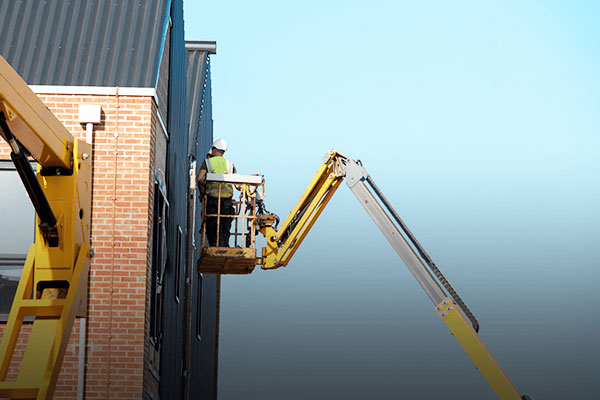
Analyze Your Worksite Terrain
Your worksite environment heavily influences the lift you should choose.
1. Indoor Smooth Floors
- Choose: Electric scissor lifts, vertical mast lifts
- Reason: Zero emissions, quiet operation, non-marking tires
2. Outdoor Rough Terrain
- Choose: Rough-terrain scissor lifts, telescopic boom lifts, articulated boom lifts
- Features to look for: 4×4 drive, foam-filled or off-road tires, leveling outriggers
If your environment changes often, consider heavy-duty or all-terrain models to maintain stability.
Consider Platform Capacity and Space
Think about:
- How many workers need to be on the platform?
- What tools or materials must be lifted?
- Do you require a large platform area?
High-capacity scissor lifts can support multiple workers, while boom lifts usually accommodate one or two operators but offer greater reach.
Choose Between Electric or Diesel Power
Electric Aerial Lifts
- Best for: Indoor work, noise-sensitive areas
- Advantages: Quiet, zero emissions, low maintenance
- Types: Scissor lifts, mast lifts, some small boom lifts
Diesel Aerial Lifts
- Best for: Outdoor projects, heavy-duty construction
- Advantages: Stronger lifting power, better for rough terrain
- Types: Most boom lifts and large scissor lifts
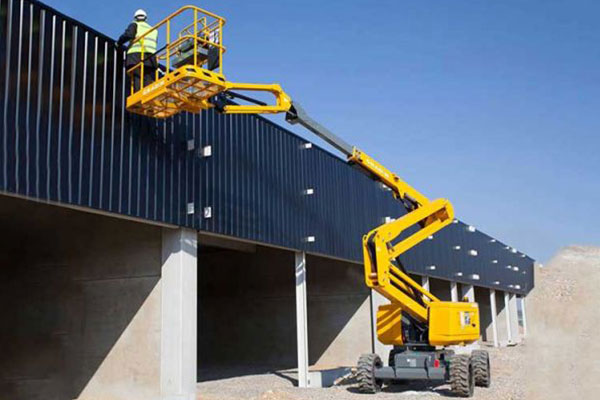
Evaluate Safety Requirements
Safety must always be a top priority. Consider a lift with:
- Overload protection
- Emergency lowering system
- Anti-collision sensors
- Automatic leveling
- Guardrails & fall protection anchor points
If workers operate in tight or congested environments, articulating boom lifts help navigate obstacles more safely.
Account for Your Worksite’s Space Limitations
If your worksite has:
- Narrow aisles
- Tight corners
- Low doors
Then compact scissor lifts or vertical mast lifts are excellent choices. They offer all the height benefits while keeping maneuverability high.
For wide-open construction sites, boom lifts provide maximum freedom of movement.
Compare Operating Costs and Maintenance
When choosing the right aerial lift, consider the long-term cost factors:
- Fuel or charging expenses
- Regular maintenance
- Spare parts availability
Electric lifts often offer lower operating costs, while diesel lifts provide power and durability for rugged jobs.
Decide Whether to Buy or Rent
Buy a Lift If:
- You use aerial lifts every day
- Your projects are long-term
- You want to reduce rental expenses over time
Rent a Lift If:
- You need special lifts occasionally
- Project requirements change often
- You are working on short-term construction jobs
Choose the Aerial Lift That Matches Your Worksite Needs
Choosing the right aerial lift doesn’t have to be complicated. If you’re unsure which model fits your worksite, our team is here to help. Share your project requirements, and we’ll recommend the safest, most efficient aerial lift for your budget and timeline. Contact us today for a fast, no-obligation quote.