

Backhoe Loader vs. Tractor: Which One to Choose?
When it comes to heavy-duty construction equipment, both backhoe loaders and tractors are essential tools, but they serve different purposes and are designed for distinct tasks. Understanding the differences between the two can help you determine which machine is best suited for your project. In this article, we’ll break down the key differences, applications, and benefits of backhoe loaders and tractors.
What is a Backhoe Loader?
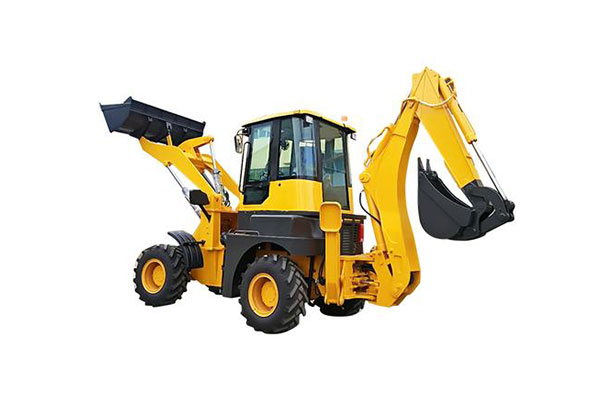
A backhoe loader is a versatile piece of construction machinery that combines the capabilities of a tractor, a loader, and a backhoe. It is equipped with a front-end loader for scooping materials and a backhoe at the rear for digging. The ability to use both tools in one machine makes backhoe loaders highly flexible and efficient in various construction, digging, and material handling tasks.
Key Features of a Backhoe Loader:
- Front Loader: The front bucket is used for lifting, digging, and moving materials like dirt, gravel, or sand.
- Backhoe: The rear-mounted backhoe is designed for digging trenches, foundations, or holes.
- Articulating Frame: The machine often has a flexible frame that allows the operator to turn the vehicle to better reach work areas.
- Small and Compact: Backhoe loaders are relatively small, making them ideal for use in urban or confined spaces.
Common Applications of a Backhoe Loader:
- Excavation: Digging trenches or foundations for construction projects.
- Material Handling: Loading and moving dirt, gravel, or other loose materials.
- Roadwork: Used for street maintenance and digging utilities or drainage systems.
- Landscaping: Digging and transporting soil or debris in smaller projects.
What is a Tractor?
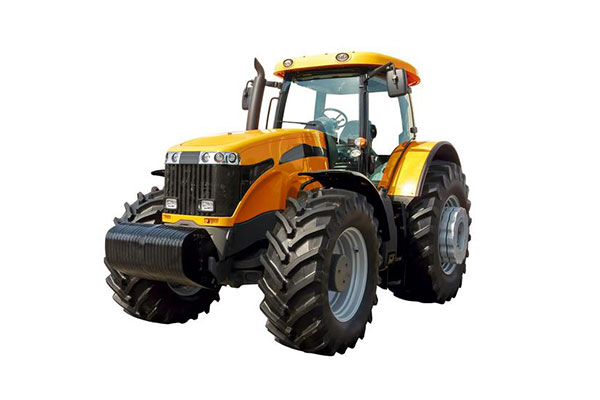
A tractor is a robust vehicle primarily used for pulling, pushing, or carrying heavy loads, and it is often associated with farming. However, tractors are also utilized in construction, especially in tasks that require heavy lifting, grading, and towing. Tractors typically come with a variety of attachments to suit specific needs, such as plows, harrows, or mowers.
Key Features of a Tractor:
- Towing Capability: Tractors are designed to pull heavy loads and attachments with high power.
- Versatility: Tractors can be equipped with various implements like plows, front loaders, or backhoes.
- Simple Construction: The design of a tractor is relatively straightforward, with an emphasis on power and durability.
- Large Size: Tractors are generally larger and more powerful than backhoe loaders, making them ideal for heavy lifting and agricultural tasks.
Common Applications of a Tractor:
- Farming: Towing plows, harvesting equipment, and other agricultural tools.
- Construction: Used for grading, clearing land, and hauling materials.
- Landscaping: Tractors can handle heavy lifting and clearing debris.
- Snow Removal: Tractors can be fitted with snowplows for clearing snow from roads or driveways.
Key Differences Between a Backhoe Loader and a Tractor
1. Functionality:
- Backhoe Loader: Designed for digging and lifting materials with both the front bucket and rear backhoe.
- Tractor: Primarily a towing vehicle that can be fitted with various attachments for agricultural and construction work.
2. Size and Maneuverability:
- Backhoe Loader: Compact and easy to maneuver in tight spaces, making it perfect for urban or smaller construction sites.
- Tractor: Larger and more powerful, suited for larger, open construction sites or agricultural settings.
3. Power:
- Backhoe Loader: Typically less powerful than tractors but designed for specific tasks like excavation and material handling.
- Tractor: Offers more power for heavy lifting, grading, and pulling large attachments, making it ideal for large-scale tasks.
4. Cost:
- Backhoe Loader: Generally more expensive due to its multi-functional capabilities and specialized design.
- Tractor: Can be more cost-effective, especially when used for farming or heavy towing tasks.
5. Attachments:
- Backhoe Loader: Comes with both a front loader and a backhoe, which can also be replaced with other attachments such as augers or breakers.
- Tractor: Can be fitted with a variety of attachments depending on the task, such as plows, harrows, or even front loaders.
Which One Should You Choose?
Choosing between a backhoe loader and a tractor depends on the specific needs of your project. Here are some considerations:
- For Excavation and Digging: A backhoe loader is ideal for digging trenches, foundations, and holes, making it the best choice for tasks that require both digging and material handling.
- For Heavy Lifting and Towing: If your work involves heavy lifting, grading, or pulling large loads, a tractor might be the better option due to its increased power and towing capacity.
- For Agricultural Work: Tractors excel in farming, where they are used for tasks like plowing, planting, and harvesting. A backhoe loader may not be suitable for large-scale agricultural tasks.
- For Urban or Small Sites: Backhoe loaders are more compact and versatile, making them better suited for construction work in confined spaces like urban environments or smaller job sites.
Conclusion
Both backhoe loaders and tractors play crucial roles in construction and agricultural industries, each with its own strengths and applications. While the backhoe loader excels in digging and material handling tasks, the tractor shines in heavy lifting and towing. Understanding the differences between these machines will help you make the right choice based on your project needs, budget, and available space.