

Choosing the Right Backhoe Loader for Construction Projects
When planning a construction project, selecting the best backhoe loader is crucial for efficiency, cost-effectiveness, and performance. A backhoe loader combines the versatility of a loader and an excavator into one powerful machine, making it ideal for tasks like digging, trenching, material handling, and site preparation. But with so many models and features available, how do you choose the right one? This guide will help you make an informed decision based on construction requirements, machine capabilities, and long-term value.
What is a Backhoe Loader?
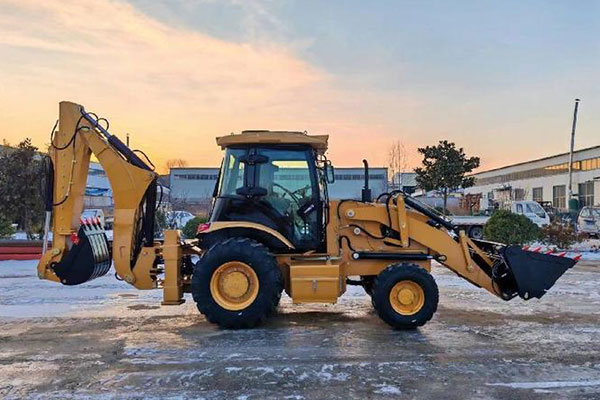
A backhoe loader is a multi-purpose construction vehicle equipped with a front loader bucket and a rear backhoe arm. It’s widely used in:
- Road construction
- Site preparation
- Landscaping
- Utility installation
- Small-to-medium excavation
Its flexibility makes it a favorite for contractors who need both digging and loading capabilities in a single machine.
Key Factors to Consider When Choosing a Backhoe Loader
1. Project Type and Size
Different construction projects demand varying levels of power and performance:
- Light-duty projects (gardening, landscaping): Smaller backhoes with lower horsepower may be sufficient.
- Heavy-duty construction (roadworks, deep excavation): Larger machines with enhanced digging power and lift capacity are needed.
Understanding your workload ensures you don’t overspend on unnecessary features or compromise productivity with underpowered equipment.
2. Engine Power and Performance
Engine power directly affects efficiency and performance. Look for:
- Higher horsepower (HP) for heavy digging and loading
- Fuel-efficient engines to reduce operating costs
- Reliable brands with proven durability
A powerful engine ensures smoother operation in tough terrain and longer working hours with fewer breakdowns.
3. Backhoe Reach and Dig Depth
Backhoe reach and dig depth determine how far and how deep the machine can work. For trenching and excavation:
- A deeper dig depth is ideal for utility lines and foundation work
- A longer reach helps in excavation without repositioning the machine frequently
Compare these metrics across models to match your site requirements.
4. Loader Capacity and Lift Height
For loading and material handling:
- Bucket capacity affects how much material can be moved at once
- Lift height determines how high you can dump into trucks or hoppers
Larger capacities and higher lifts boost efficiency, especially for material-intensive projects.
5. Operator Comfort and Safety
A comfortable, safe operator cabin enhances productivity and reduces fatigue:
- Adjustable seats and ergonomically placed controls
- Good visibility and lighting for night or low-light work
- Rollover protection systems (ROPS) and seat belts
Prioritizing safety features protects your team and minimizes downtime due to accidents.
6. Attachments and Versatility
Backhoe loaders become more versatile with the right attachments:
- Hydraulic hammers
- Augers
- Couplers
- Grapples
Choose models that support a wide range of accessories to maximize machine utility.
7. Maintenance and After-Sales Support
Choosing a backhoe loader is more than just specs — maintenance and support matter:
- Easy access to spare parts
- Warranty and service agreements
- Training and technical support
Reliable after-sales support reduces downtime and saves you money in the long run.
Final Tips for Choosing the Right Backhoe Loader
- Define your budget and priorities before comparing models.
- Request demos or test drives if possible
- Factor in resale value when choosing between machine tiers.
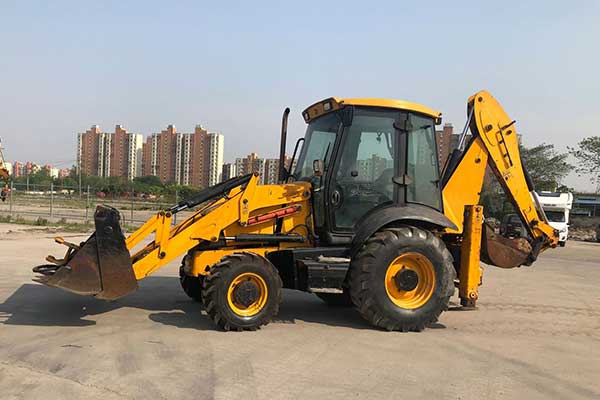
- Consider used backhoe loaders for cost savings if they’ve been well maintained.
Conclusion
Choosing the right backhoe loader for your construction needs doesn’t have to be overwhelming. Focus on power, performance, versatility, comfort, and support. By aligning machine capabilities with your project requirements, you’ll maximize productivity while controlling costs.
If you need help selecting the right backhoe loader model for your projects, we’re here to assist — contact us for expert recommendations!