

Concrete Mixer: Everything You Need to Know
A concrete mixer is one of the most essential machines in modern construction. It is used to combine cement, sand, gravel, and water into a uniform concrete mixture, ensuring strength, consistency, and work efficiency on construction sites. Whether for residential buildings, road projects, or large-scale infrastructure, a concrete mixer plays a critical role in delivering high-quality concrete.
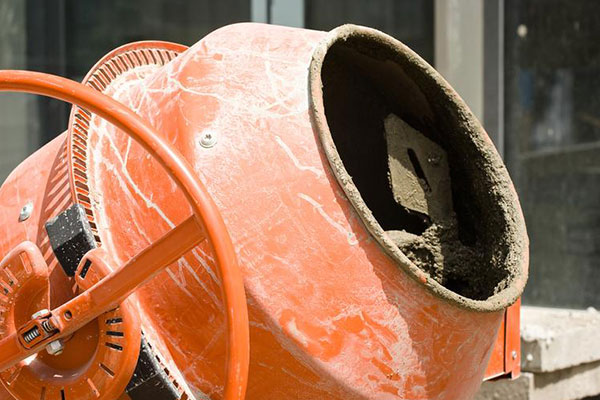
What is a Concrete Mixer?
A concrete mixer is a construction machine designed to combine cement, sand, gravel (or aggregate), and water into a uniform mixture called concrete. The goal is to ensure even distribution of materials so that the final concrete has consistent strength and durability.
Without a mixer, manual mixing would be time-consuming, inconsistent, and unsuitable for large-scale construction.
How Does a Concrete Mixer Work?
The basic working principle of a concrete mixer is rotation and tumbling.
- Raw materials are loaded into the drum.
- The drum rotates using an electric motor, diesel engine, or hydraulic system.
- Blades inside the drum lift and fold the materials repeatedly.
- The mixture becomes uniform after continuous mixing.
- The concrete is discharged by tilting or reversing the drum.
This process ensures even hydration of cement and proper bonding of aggregates.
Main Types of Concrete Mixers
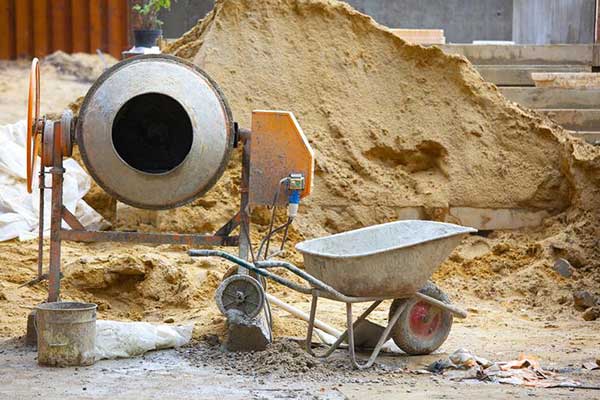
1. Drum Concrete Mixer
The most common type used in construction sites.
- Simple design
- Cost-effective
- Suitable for small to medium projects
- Available in tilting and non-tilting types
Best for: Building houses, sidewalks, and small infrastructure.
2. Twin-Shaft Concrete Mixer
A high-efficiency industrial mixer used in batching plants.
- Two horizontal shafts with paddles
- Fast and uniform mixing
- Handles large volumes
- High production efficiency
Best for: Large commercial projects and ready-mix concrete plants.
3. Pan Concrete Mixer
A circular pan with rotating blades inside.
- Strong mixing performance
- Suitable for dry and semi-dry mixes
- Often used for precast concrete
Best for: Blocks, tiles, and precast components.
4. Planetary Concrete Mixer
Advanced mixing technology with rotating arms.
- Excellent homogeneity
- Works with complex concrete mixes
- Low maintenance
Best for: High-quality precast and specialty concrete production.
5. Portable Concrete Mixer
Compact and mobile design.
- Easy to transport
- Small capacity
- Ideal for remote sites
Best for: Small construction jobs and DIY projects.
Applications of Concrete Mixers
Concrete mixers are widely used in many construction fields:
- Residential buildings
- Roads and highways
- Bridges and tunnels
- Industrial plants
- Water conservancy projects
- Precast concrete production
They are essential wherever concrete is required.
Key Benefits of Using a Concrete Mixer
Using a concrete mixer offers several important advantages:
- Consistent Quality: Ensures uniform mixing, reducing weak spots in concrete structures.
- Time Efficiency: Speeds up construction work compared to manual mixing.
- Cost Savings: Reduces labor requirements and material waste.
- Improved Strength: Proper mixing improves concrete durability and performance.
- Scalability: Suitable for both small projects and large industrial construction.
How to Choose the Right Concrete Mixer
When selecting a concrete mixer, consider the following factors:
1. Project Size
- Small projects: portable or drum mixers
- Large projects: twin-shaft or batching plant mixers
2. Production Capacity
Choose based on how much concrete you need per hour or per day.
3. Power Source
- Electric (clean and efficient)
- Diesel (suitable for remote areas)
4. Material Requirements
Different mixers handle different types of aggregates and mix designs.
5. Budget
Balance performance and cost to find the most economical option.

Maintenance Tips for Concrete Mixers
Proper maintenance ensures long service life:
- Clean the drum after every use
- Check motor and engine regularly
- Lubricate moving parts
- Inspect blades for wear and tear
- Avoid overloading the mixer
Common Problems and Solutions
Solution: Clean immediately after use and ensure proper water ratio.
Solution: Check blade condition and mixing time.
Solution: Inspect mounting bolts and foundation stability.
Roadsky Concrete Mixer Solutions
As a professional supplier in construction machinery, Roadsky provides reliable concrete mixers designed for durability, efficiency, and performance in demanding environments.
Road construction, building projects, and infrastructure development require dependable equipment—and choosing the right mixer can significantly improve productivity and concrete quality.
Conclusion
A concrete mixer is a fundamental machine in construction that ensures high-quality, efficient, and consistent concrete production. From small drum mixers to advanced self-loading models, selecting the right type depends on your project scale and operational needs.
A concrete mixer not only improves construction speed but also guarantees stronger and more durable structures.