

What is a Tamping Rammer Used For?
When working on construction projects involving soil, asphalt, or trenches, proper compaction is critical to ensure a stable and long-lasting foundation. One of the most essential tools for this purpose is the tamping rammer. But what exactly is a tamping rammer used for, and how does it differ from other compacting machines like plate compactors or rollers? Let’s explore its functions, applications, and advantages.
What is a Tamping Rammer?
A tamping rammer (also known as a jumping jack compactor) is a machine designed to compact soil and other ground materials using a vertical, high-impact motion. It works by delivering repeated impacts to the ground through a small but powerful foot plate, which compacts the soil in layers.
Unlike larger rollers or plate compactors that use vibration and weight, a tamping rammer uses a percussion-based impact force, making it ideal for confined areas and cohesive soils such as clay and silt.
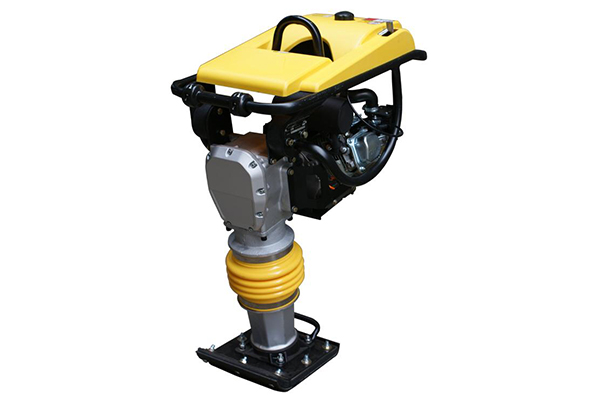
Main Uses of a Tamping Rammer
1. Soil Compaction
The primary use of a tamping rammer is compacting soil to increase its density and load-bearing capacity. This process reduces air pockets and prevents future settlement or cracking of the structure above.
2. Trench and Foundation Work
Tamping rammers are perfect for narrow spaces and trenches where larger machines cannot operate. Contractors use them for compacting soil around foundations, pipelines, and utility trenches.
3. Road and Pavement Repair
In road maintenance projects, tamping rammers are used to compact asphalt patches or backfilled soil after repairing potholes, sidewalks, or curbs. They help restore surface stability and prevent sinking.
4. Backfilling Applications
After installing underground cables, water pipes, or drainage systems, the soil needs to be compacted to avoid ground shifting. A tamping rammer provides precise control in these backfilling operations.
5. Compaction of Cohesive Soils
While plate compactors work better on granular materials (like sand and gravel), tamping rammers excel on cohesive soils such as clay, where their high impact force breaks down soil clumps and achieves uniform density.
Advantages of Using a Tamping Rammer
- High Impact Force: Ideal for cohesive soils like clay and silt.
- Compact Size: Fits into narrow trenches or tight corners.
- Excellent Mobility: Easy to move and transport between job sites.
- Durable Performance: Built to withstand tough construction environments.
- Efficient Compaction: Reduces air gaps and ensures strong soil stability.
How to Use a Tamping Rammer Safely
To ensure effective and safe operation, follow these steps:
- Wear PPE: including gloves, ear protection, and safety boots.
- Check the surface: Remove large debris or stones before starting.
- Hold firmly: Keep a firm grip on the handle and maintain balance.
- Move steadily: Let the rammer “jump” forward naturally — don’t force it.
- Avoid over-compaction: Excessive passes can damage the soil structure.
- Perform regular maintenance: Check engine oil, air filters, and foot plate wear frequently.
Conclusion
A tamping rammer is an essential machine for compacting soil in small or hard-to-reach areas. It’s used widely in trenching, road repair, foundation work, and landscaping — providing powerful, efficient compaction that ensures the stability and longevity of construction projects.
If you’re looking for a reliable tamping rammer supplier, you can contact us for more information.