

Stainless Steel Wire Mesh: Types, Benefits, Applications
Stainless steel wire mesh is a widely used industrial material known for its excellent strength, corrosion resistance, and versatility. From filtration systems and architectural designs to security applications and industrial processing, stainless steel wire mesh provides reliable performance in demanding environments.
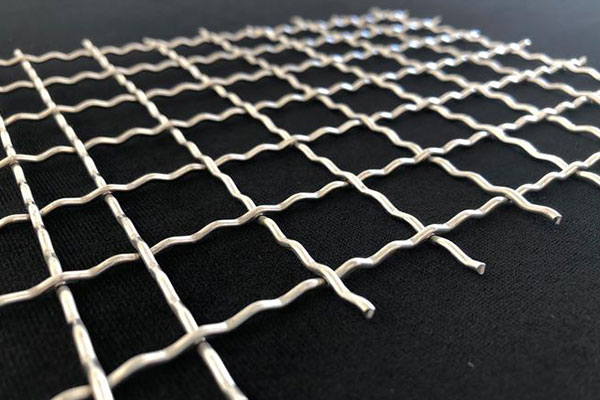
What is Stainless Steel Wire Mesh?
Stainless steel wire mesh is a metal mesh product made by weaving or welding stainless steel wires together to create a grid structure. The wires can be arranged in different patterns, opening sizes, and thicknesses to meet various industrial and commercial requirements.
Common stainless steel grades used for wire mesh include:
- 304 Stainless Steel Wire Mesh – The most common type, offering good corrosion resistance and durability for general applications.
- 316 Stainless Steel Wire Mesh – Contains molybdenum for enhanced corrosion resistance, especially in marine, chemical, and high-salt environments.
- 316L Stainless Steel Wire Mesh – A low-carbon version of 316 stainless steel, providing improved resistance to corrosion after welding.
Due to its strong mechanical properties and long service life, stainless steel wire mesh is widely preferred over traditional steel mesh in harsh environments.
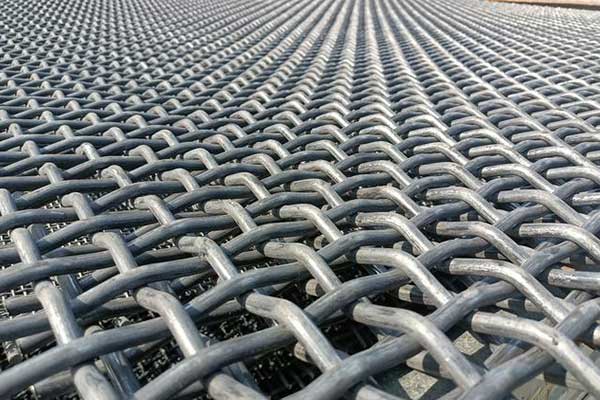
Types of Stainless Steel Wire Mesh
Stainless steel wire mesh is available in several manufacturing methods and designs.
1. Woven Stainless Steel Wire Mesh
Woven wire mesh is produced by weaving stainless steel wires together, similar to textile fabrics. It offers precise openings and excellent flexibility.
Common weaving styles include:
- Plain weave
- Twill weave
- Dutch weave
Woven stainless steel mesh is commonly used for filtration, screening, and separation applications.
2. Welded Stainless Steel Wire Mesh
Welded wire mesh is made by welding stainless steel wires at each intersection, creating a strong and stable structure.
Advantages include:
- High strength
- Uniform openings
- Easy installation
- Good dimensional stability
It is often used for fencing, cages, construction reinforcement, and protective barriers.
3. Stainless Steel Filter Mesh
Filter mesh is designed for liquid and gas filtration. It is available in different micron ratings and mesh sizes to control filtration accuracy.
Typical applications include:
- Oil filtration
- Water filtration
- Chemical processing
- Food and beverage filtration
4. Stainless Steel Decorative Mesh
Decorative stainless steel mesh combines functionality with an attractive appearance. It is frequently used in:
- Building facades
- Interior decoration
- Room dividers
- Ceiling systems
Its modern appearance makes it popular in architectural projects.
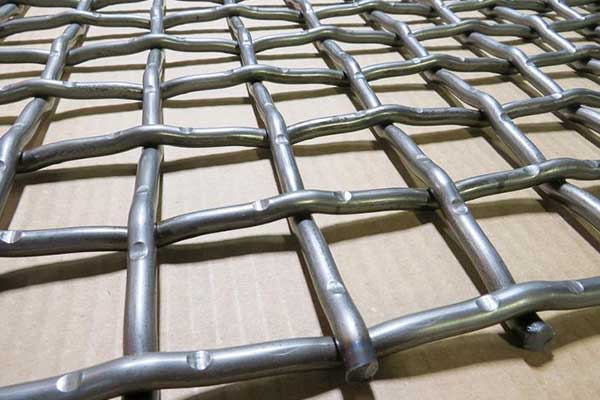
Benefits of Stainless Steel Wire Mesh
Excellent Corrosion Resistance
One of the biggest advantages of stainless steel wire mesh is its resistance to rust and corrosion. It performs well in environments exposed to moisture, chemicals, and outdoor conditions.
High Strength and Durability
Stainless steel wire mesh has excellent tensile strength and wear resistance. It can withstand heavy loads, impact, and long-term use without losing performance.
Heat Resistance
Stainless steel maintains its mechanical properties at high temperatures, making it suitable for industrial applications involving heat exposure.
Easy Maintenance
The smooth surface of stainless steel wire mesh makes it easy to clean and maintain. This is especially important in food processing, pharmaceutical, and filtration industries.
Long Service Life
Although stainless steel wire mesh may have a higher initial cost than other materials, its durability and low maintenance requirements make it a cost-effective solution over time.
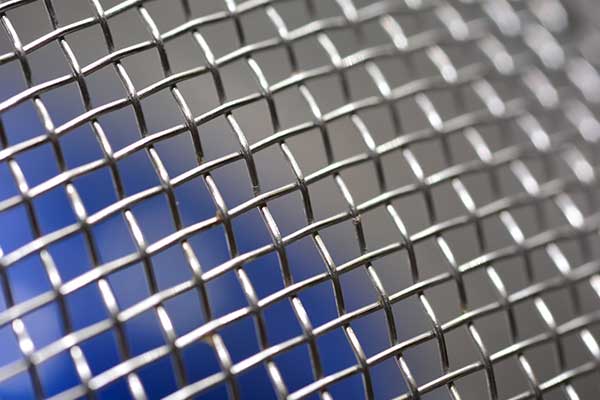
Common Applications of Stainless Steel Wire Mesh
1. Industrial Filtration
Stainless steel wire mesh is widely used in filtration systems for separating particles from liquids, gases, and chemicals.
Applications include:
- Hydraulic filters
- Fuel filters
- Water treatment systems
- Industrial sieving equipment
2. Construction and Architecture
In construction projects, stainless steel mesh is used for:
- Safety barriers
- Decorative panels
- Building facades
- Reinforcement systems
Its strength and aesthetic appearance make it suitable for both functional and decorative purposes.
3. Food Processing Industry
Because stainless steel is hygienic and easy to clean, wire mesh is commonly used in:
- Food screens
- Conveyor belts
- Drying racks
- Processing equipment
4. Mining and Screening
Heavy-duty stainless steel mesh is used for screening and separating materials in mining and aggregate industries.
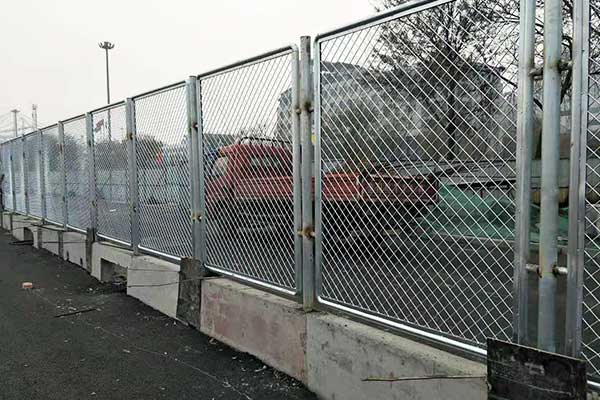
5. Security and Protection
Welded stainless steel wire mesh can be used for:
- Machine guards
- Animal cages
- Security fences
- Protective enclosures
How to Choose the Right Stainless Steel Wire Mesh?
Selecting the correct stainless steel wire mesh depends on several factors:
1. Material Grade
Choose the appropriate stainless steel grade based on the working environment:
- 304 stainless steel: General-purpose applications
- 316 stainless steel: Marine and chemical environments
- 316L stainless steel: Applications requiring enhanced corrosion resistance
2. Mesh Size
Mesh size refers to the number of openings per inch. A higher mesh number means smaller openings.
Consider:
- Filtration requirements
- Particle size
- Flow rate
- Strength requirements
3. Wire Diameter
The wire diameter affects:
- Strength
- Durability
- Open area
- Weight
Thicker wires provide higher strength, while thinner wires offer better filtration accuracy.
4. Weave or Welding Method
Choose between woven and welded mesh depending on your application:
- Woven mesh is ideal for precision filtration.
- Welded mesh is better for structural and protective applications.
5. Surface Finish
Different surface treatments can improve appearance and performance, including:
- Polished finish
- Electrolytic polishing
- Smooth industrial finish
Conclusion
Stainless steel wire mesh is a versatile and durable material used across many industries. Its corrosion resistance, strength, heat resistance, and long service life make it an ideal choice for filtration, construction, security, and industrial applications.
By considering factors such as stainless steel grade, mesh size, wire diameter, and application requirements, you can select the most suitable stainless steel wire mesh for your project.