

Stainless Steel Wire: Everything You Need to Know
Stainless steel wire is one of the most versatile materials used across industries. From construction and manufacturing to agriculture, filtration, and marine applications, it offers an excellent combination of strength, corrosion resistance, and long service life. Available in a wide range of grades, diameters, and finishes, stainless steel wire can be customized to meet different performance requirements.
If you’re looking for reliable stainless steel wire for industrial or commercial use, understanding its properties and applications can help you choose the right product.
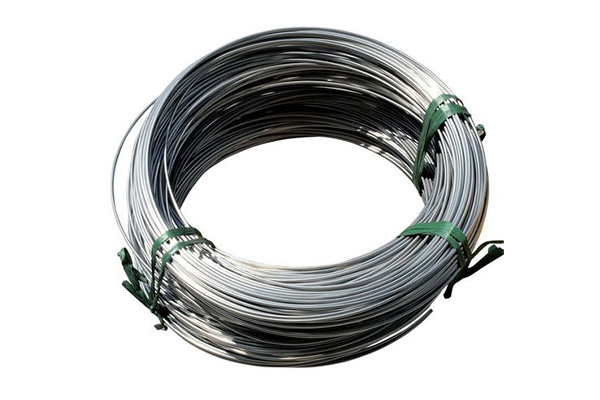
What is Stainless Steel Wire?
Stainless steel wire is a metal wire manufactured from stainless steel alloys containing chromium, nickel, molybdenum, and other elements. The chromium forms a passive oxide layer that protects the wire from corrosion and oxidation.
Stainless steel wire is available in numerous diameters, finishes, and mechanical properties to suit different industrial applications.
Common Types of Stainless Steel Wire
Different stainless steel grades are designed for different environments and performance requirements.
1. 304 Stainless Steel Wire
304 stainless steel wire is the most commonly used grade due to its excellent corrosion resistance, good strength, and affordability.
Typical applications include:
- Wire mesh
- Cable manufacturing
- Fasteners
- Kitchen equipment
- General industrial products
2. 316 Stainless Steel Wire
316 stainless steel wire contains molybdenum, providing superior resistance to chlorides and harsh chemicals.
It is widely used for:
- Marine environments
- Coastal construction
- Chemical processing
- Food processing equipment
- Medical applications
3. 310 Stainless Steel Wire
Known for its excellent heat resistance, 310 stainless steel wire is suitable for high-temperature applications such as:
- Furnace components
- Heat treatment equipment
- Industrial ovens
4. 430 Stainless Steel Wire
430 stainless steel wire offers good corrosion resistance and magnetic properties while being more economical than austenitic grades.
It is often used in:
- Household appliances
- Decorative products
- Automotive components
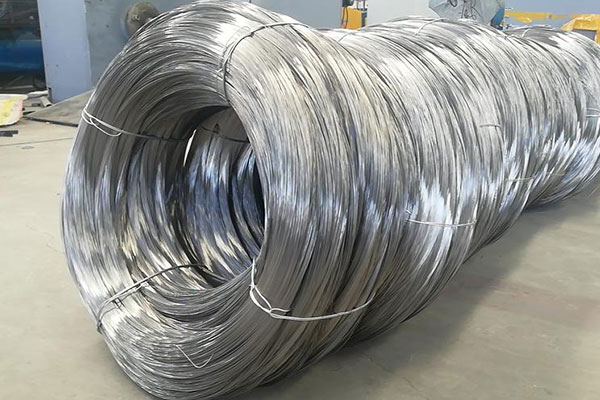
Common Applications of Stainless Steel Wire
Thanks to its versatility, stainless steel wire is used in numerous industries.
Construction
- Reinforcement
- Safety barriers
- Architectural mesh
- Suspension systems
Industrial Manufacturing
- Springs
- Wire ropes
- Fasteners
- Welding wire
- Industrial baskets
Agriculture
- Vineyard trellis systems
- Livestock fencing
- Greenhouse supports
Marine Industry
Because of its corrosion resistance, stainless steel wire performs well in saltwater environments.
Common marine uses include:
- Rigging
- Marine cables
- Fishing equipment
- Dock hardware
Food Processing
Food-grade stainless steel wire is commonly used for:
- Conveyor belts
- Drying racks
- Food baskets
- Filters
Filtration
Fine stainless steel wire is woven into mesh for:
- Water filtration
- Air filtration
- Oil filtration
- Chemical processing
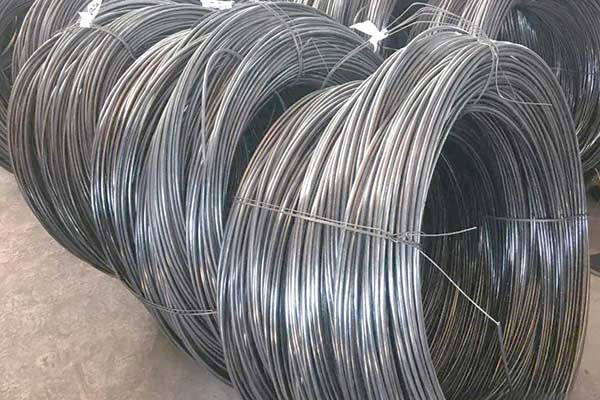
Advantages of Stainless Steel Wire
- Excellent Corrosion Resistance: The chromium oxide layer protects stainless steel wire from rust and corrosion.
- High Strength: Stainless steel wire provides excellent tensile strength while maintaining flexibility.
- Long Service Life: Compared with ordinary steel wire, stainless steel wire offers better durability and lower maintenance costs.
- Temperature Resistance: Certain stainless steel grades can maintain performance under high-temperature conditions.
- Hygienic Properties: Its smooth surface and corrosion resistance make it suitable for food and medical applications.
Manufacturing Process of Stainless Steel Wire
The production of stainless steel wire involves several important steps.
1. Wire Rod Production
Stainless steel begins as billets that are hot rolled into wire rods.
2. Drawing Process
The wire rod is drawn through dies to reduce diameter and achieve the required size.
Benefits:
- Improved dimensional accuracy
- Increased tensile strength
- Better surface quality
3. Heat Treatment
Heat treatment improves mechanical properties and reduces internal stress.
Common treatments include:
- Annealing
- Solution treatment
- Stress relieving
4. Surface Finishing
Different surface finishes are available:
- Bright finish
- Electro-polished finish
- Matte finish
- Coated finish
Surface treatment improves appearance, corrosion resistance, and performance.
How to Choose the Right Stainless Steel Wire
Choosing the right wire depends on your working environment and application.
Consider the following factors:
1. Corrosion Environment
For coastal or chemical environments, 316 stainless steel wire generally provides better corrosion resistance than 304.
2. Required Strength
Applications involving springs or tension systems often require higher tensile strength.
3. Wire Diameter
Thicker wire provides greater strength, while thinner wire is suitable for weaving, filtration, or precision manufacturing.
4. Temperature
For high-temperature applications, select heat-resistant grades such as 310 stainless steel.
5. Industry Standards
Ensure the wire complies with applicable ASTM, ISO, DIN, or other industry standards required by your project.
Frequently Asked Questions
Stainless steel wire is highly resistant to rust, but it is not completely immune under all conditions. Choosing the correct grade—such as 316 for marine environments—provides the best corrosion resistance.
Yes. Most stainless steel wire grades can be welded using appropriate welding techniques and filler materials.
Very little. Periodic cleaning and selecting the correct grade for the environment are usually enough to ensure a long service life.
Common finishes include bright finish, matte finish, and annealed finish. The suitable finish depends on the application and appearance requirements.
Stainless steel wire should be stored in a dry, clean environment and protected from contamination to maintain its surface quality and corrosion resistance.
Conclusion
Stainless steel wire is a durable, corrosion-resistant, and highly versatile material suitable for countless industrial and commercial applications. Whether you need wire for construction, filtration, marine projects, manufacturing, or food processing, selecting the right stainless steel grade and specifications is essential for achieving long-term performance and reliability.
Need high-quality stainless steel wire for your project? Roadsky supplies a wide range of stainless steel wire in various grades and specifications for industrial and commercial applications. Contact us today for expert support and a competitive quote.