

Single Phase vs. Three Phase Diesel Generator
Choosing between a single phase and three phase diesel generator depends on the equipment you need to power, your expected load, and your future expansion plans. While both provide dependable backup or prime power, they distribute electricity differently—and selecting the wrong type can lead to poor performance, unnecessary expense, or equipment compatibility issues.
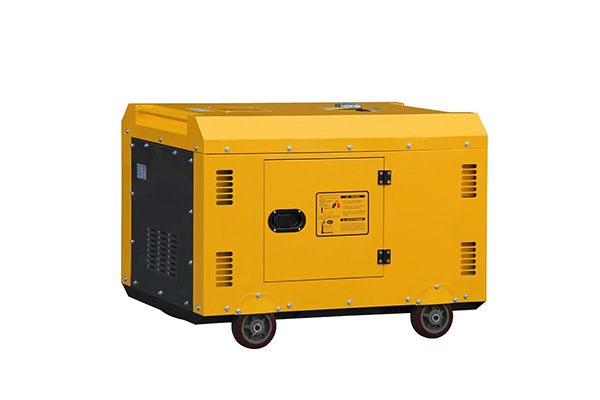
What is a Single Phase Diesel Generator?
A single phase diesel generator produces electricity through one alternating-current waveform. It is commonly used for smaller loads, including homes, small offices, retail shops, and light-duty tools.
Typical single phase supply voltages include 120/240V in North America and 230V in many other regions.
Best Uses for Single Phase Generators
- Residential backup power
- Small businesses and retail units
- Portable construction tools
- Lighting, computers, and appliances
- Small pumps and HVAC equipment
Single phase generators are usually simpler to install, operate, and maintain. They are often a cost-effective choice when the total load is modest and consists mainly of single phase appliances.
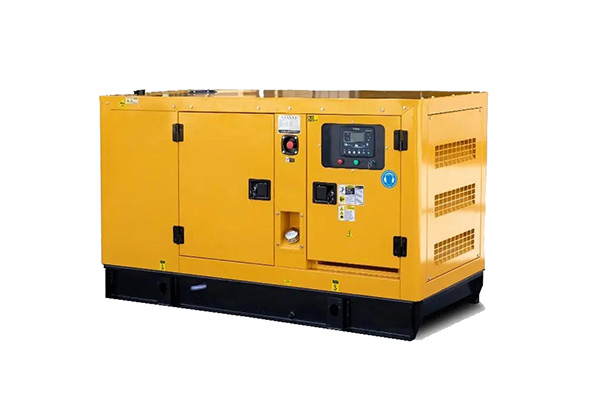
What is a Three Phase Diesel Generator?
A three phase diesel generator produces three AC waveforms, each separated by 120 degrees. This configuration delivers power more smoothly and supports higher-capacity loads.
Three phase generators are widely used in commercial, industrial, agricultural, construction, and data-center environments. Common voltages include 208V, 400V, 415V, and 480V, depending on the local electrical system.
Best Uses for Three Phase Generators
- Factories and manufacturing facilities
- Large commercial buildings
- Three phase motors and pumps
- Construction sites
- Farms and irrigation systems
- Large HVAC systems
- Data centers and telecom sites
Single Phase vs. Three Phase Diesel Generator: Key Differences
| Feature | Single Phase Generator | Three Phase Generator |
|---|---|---|
| Power output | One AC waveform | Three AC waveforms |
| Typical applications | Homes and small loads | Commercial and industrial loads |
| Capacity | Lower to medium | Medium to very high |
| Motor support | Small single phase motors | Large three phase motors |
| Installation | Simpler | More complex |
| Initial cost | Usually lower | Usually higher |
| Power delivery | More pulsing | Smoother and more balanced |
| Scalability | Limited | Better for expansion |
Power Capacity and Load Handling
The most important difference is load capacity. Single phase diesel generators are generally suitable for lower-demand applications, while three phase models are designed to handle larger and more complex electrical systems.
Three phase power is especially effective for running high-load equipment such as compressors, conveyors, elevators, industrial pumps, and large air-conditioning systems. It provides steadier torque for motors and can reduce voltage drop when the system is correctly sized.
A single phase generator can support several appliances at once, but it may struggle when heavy motor loads start simultaneously. Motor startup can require significantly more power than normal operation, so generator sizing must account for surge demand—not just running watts.
Can a Three Phase Generator Power Single Phase Loads?
Yes. A three phase diesel generator can often supply single phase loads, provided the electrical distribution system is properly designed.
However, the single phase loads must be balanced across the three phases. Excessive imbalance can cause overheating, voltage instability, and reduced generator performance. Check the manufacturer’s allowable phase-load imbalance before finalizing the design.
A single phase generator, on the other hand, cannot directly operate equipment that requires true three phase power.
Cost Considerations
Single phase diesel generators typically have a lower upfront cost and simpler installation requirements. They are often the practical option for homeowners and small businesses with limited power needs.
Three phase generators cost more initially, but they can offer better value for larger operations because they support more equipment, distribute loads effectively, and accommodate future growth. For a facility with three phase machinery, choosing a single phase generator simply to reduce purchase cost can create expensive compatibility problems later.
Fuel Efficiency: Is Three Phase Better?
A three phase diesel generator is not automatically more fuel-efficient in every situation. Fuel consumption depends on generator size, engine condition, load factor, operating hours, and maintenance.
That said, a properly sized three phase generator can operate efficiently in large-load applications because it distributes power across phases and handles industrial equipment more effectively. Avoid oversizing either generator type; a diesel generator that consistently runs at very low load may consume fuel inefficiently and experience maintenance issues.
How to Choose the Right Diesel Generator
Before buying, assess these factors:
- Equipment voltage: Confirm whether your loads require single phase or three phase supply.
- Total load: Calculate running power and motor starting demand.
- Critical loads: Identify systems that must remain online during outages.
- Future expansion: Allow capacity for planned equipment additions.
- Operating mode: Decide whether the generator is for standby, prime, or continuous use.
- Site requirements: Consider noise limits, ventilation, fuel storage, transfer switches, and local electrical codes.
Frequently Asked Questions
Usually, yes. A correctly sized single phase diesel generator can power essential home loads such as lighting, refrigerators, pumps, internet equipment, and selected HVAC appliances.
Small shops may only need single phase power. Businesses with large HVAC systems, workshops, commercial kitchens, elevators, or industrial motors generally need a three phase diesel generator.
A phase converter or variable-frequency drive may support certain motors, but it is not a substitute for a properly sized three phase generator when powering multiple or high-capacity three phase loads.
Allow reasonable capacity for startup loads and future growth, but avoid excessive oversizing. A generator should be selected based on a professional load calculation.
Final
Choose a single phase diesel generator for homes, small offices, light commercial spaces, and modest single phase loads. Choose a three phase diesel generator for large facilities, high-capacity systems, and equipment with three phase motors.
The right choice is not simply the largest generator—it is the model that matches your voltage, load profile, operating requirements, and growth plans.