

How Much Does a Small Diesel Generator Cost?
If you are considering buying a small diesel generator, one of the first questions you will probably ask is: How much does a small diesel generator cost?
In general, a small diesel generator can cost anywhere from about $1,000 to $10,000 or more, depending on its power output, engine brand, alternator, fuel system, enclosure, control system, and intended application. Smaller portable models tend to be more affordable, while commercial-grade diesel generators with higher output and advanced features can cost considerably more.
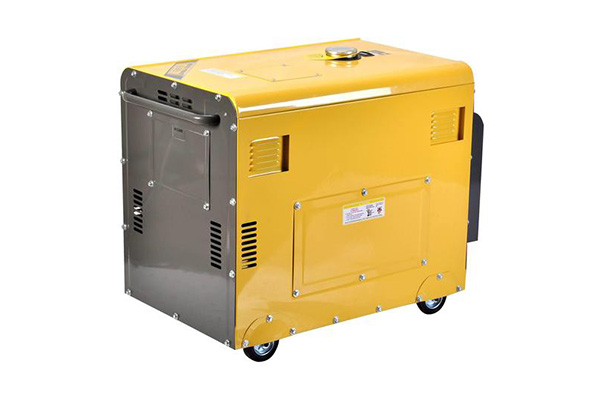
Small Diesel Generator Price Range
The price of a small diesel generator varies significantly by capacity and configuration. The following ranges provide a general reference:
| Generator Size | Typical Price Range | Common Applications |
|---|---|---|
| 3–5 kW | $1,000–$2,500 | Home backup, small shops, basic equipment |
| 5–10 kW | $1,500–$4,000 | Homes, workshops, small businesses |
| 10–20 kW | $2,500–$7,000 | Commercial backup, construction sites, farms |
These are general market estimates rather than fixed prices. Actual prices can be higher or lower depending on the manufacturer, engine, alternator, configuration, order quantity, shipping costs, and local market.
If you are purchasing directly from a manufacturer or supplier, factory pricing can be significantly different from retail pricing, especially for bulk orders.
What Determines the Cost of a Small Diesel Generator?
Several factors influence the final price of a diesel generator.
1. Generator Power Output
Power capacity is one of the biggest factors affecting price.
A 5 kW diesel generator requires less material and a smaller engine than a 20 kW unit, so its purchase price is generally lower. As power output increases, the engine, alternator, cooling system, fuel tank, control panel, and supporting components also become larger.
Before choosing a generator, calculate your actual load instead of simply buying the largest model available.
For example, if your equipment requires 6 kW of continuous power, a generator with a suitable operating capacity and additional reserve may be more appropriate than purchasing a 20 kW unit.
2. Engine Brand and Quality
The engine is one of the most important components of a diesel generator.
Generators using well-known engine brands often have a higher initial price because of their reputation, reliability, fuel efficiency, spare-parts availability, and service network.
3. Alternator Brand
The alternator converts mechanical energy from the diesel engine into electrical energy.
Higher-quality alternators generally provide better voltage stability, efficiency, durability, and performance when handling sensitive electrical equipment.
For basic applications, a standard alternator may be sufficient. For businesses, industrial equipment, or sensitive electronic loads, investing in a higher-quality alternator can be worthwhile.
4. Portable vs. Silent Diesel Generator
A basic open-frame diesel generator is usually less expensive than a soundproof or silent diesel generator.
An enclosed silent generator requires additional components, including:
- Soundproof enclosure
- Noise-reduction materials
- Improved ventilation
- Exhaust system
- Additional safety components
If the generator will be used near offices, residential areas, hotels, or other noise-sensitive environments, a silent diesel generator may justify the additional cost.
5. Control System
A basic generator may use a relatively simple manual control panel, while more advanced models can include digital controllers and automatic functions.
Features such as:
- Automatic transfer switch compatibility
- Automatic start/stop
- Remote monitoring
- Digital display
- Voltage and frequency monitoring
- Fault alarms
- Emergency shutdown
can increase the purchase price.
For a simple backup application, advanced controls may not be necessary. For commercial or unattended installations, however, they can provide significant convenience.
Are Small Diesel Generators Cheaper Than Gasoline Generators?
Not necessarily.
A gasoline generator can have a lower purchase price, particularly in the smaller portable-generator category. However, diesel generators are often preferred for applications that require frequent or extended operation.
Diesel engines generally offer good fuel efficiency and durability, particularly under sustained loads. Diesel fuel can also be advantageous for commercial and industrial users who operate generators for long periods.
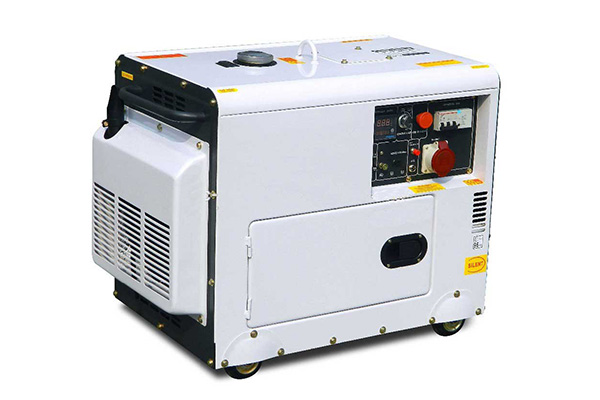
How to Choose a Small Diesel Generator
Instead of choosing a generator based solely on price, consider the following factors:
1. Calculate your required load
List the equipment you need to power and calculate both running power and starting power.
2. Determine how often you will use it
Occasional emergency backup and continuous commercial operation require different specifications.
3. Choose the appropriate power rating
Leave a reasonable reserve rather than operating the generator continuously at its maximum capacity.
4. Consider the operating environment
Outdoor construction sites may require a different configuration from residential or indoor-adjacent applications.
5. Compare fuel consumption
A slightly more expensive generator may offer lower operating costs over its lifetime.
6. Check after-sales support
Make sure replacement filters, engine parts, batteries, and other consumables are readily available.
7. Compare the complete delivered price
For imported generators, consider shipping, taxes, accessories, installation, and other additional costs.
Final Thoughts
So, how much does a small diesel generator cost? As a general guide, expect to pay around $1,000–$10,000+, with many small 5–20 kW models falling roughly within the $1,000–$7,000 range.
However, the cheapest generator is not always the most economical option. Engine quality, fuel consumption, alternator performance, noise level, control system, maintenance requirements, and after-sales support can all affect the generator’s long-term cost.