

Hydraulic vs. Electric Scissor Lift: Differences
When choosing a scissor lift for construction, warehouse operations, facility maintenance, or material handling, the two most common options are hydraulic scissor lifts and electric scissor lifts. Each type has its own strengths, limitations, and best-use scenarios. This article helps you understand the key differences so you can select the right lift for your workplace.
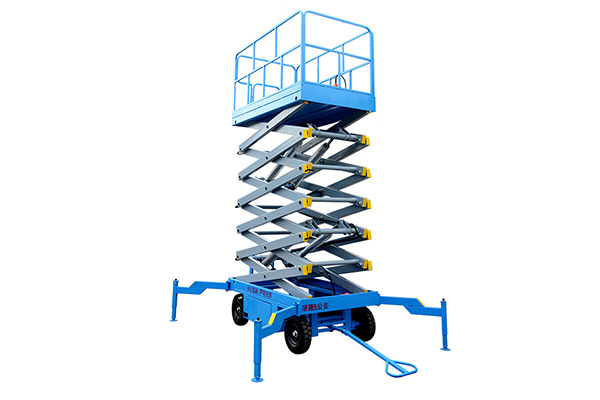
What is a Hydraulic Scissor Lift?
A hydraulic scissor lift relies on hydraulic cylinders powered by a pump—typically driven by a diesel engine—to raise and lower the platform.
Key Features
- Strong lifting capacity
- Stable and durable structure
- Can operate outdoors or on uneven surfaces
- Often includes diesel-powered options for high-torque performance
Typical Applications
- Construction sites
- Heavy-duty maintenance
- Outdoor installation work
- Industrial environments
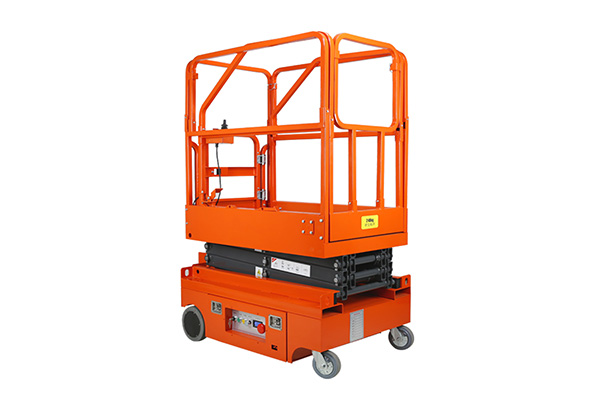
What is an Electric Scissor Lift?
An electric scissor lift is powered by rechargeable batteries and uses an electric motor to drive the lift mechanism. It is designed primarily for indoor or clean-energy applications.
Key Features
- Zero emissions
- Lower operational noise
- Smooth and precise lifting control
- Reduced maintenance compared to hydraulic models
Typical Applications
- Indoor maintenance
- Warehouses and logistics
- Shopping malls, airports, and office buildings
- Tight spaces requiring quiet, clean operation
Hydraulic Scissor Lift vs. Electric Scissor Lift: Detailed Comparison
Below is a category-by-category comparison to help you quickly determine which type suits your needs.
1. Lifting Capacity
- Hydraulic: Generally offers higher lifting capacity. Ideal for lifting heavy tools, equipment, and multiple workers.
- Electric: Medium lifting capacity, suitable for indoor maintenance, light repairs, and warehouse tasks.
Winner: Hydraulic scissor lift
2. Working Environment
- Hydraulic: Performs well in outdoor, rough, or uneven terrains. Diesel-powered models are common for construction.
- Electric: Best for indoor use because they produce no fumes and are much quieter.
Winner: Hydraulic for outdoor, Electric for indoor.
3. Noise Level
- Hydraulic: Typically louder due to pumps and possible diesel engine.
- Electric: Quiet and smooth; ideal for noise-sensitive areas.
Winner: Electric scissor lift
4. Operational Costs
- Hydraulic: Higher long-term maintenance due to oil leaks, cylinder wear, and hydraulic pump components.
- Electric: Lower maintenance costs and cheaper daily operation thanks to battery systems.
Winner: Electric scissor lift
5. Precision and Control
- Hydraulic: Lifting speed may vary depending on temperature and hydraulic pressure.
- Electric: Provides more stable and accurate lifting control.
Winner: Electric scissor lift
6. Environmental Impact
- Hydraulic: May leak hydraulic fluid, and diesel-powered versions create emissions.
- Electric: Eco-friendly, clean, and energy-efficient.
Winner: Electric scissor lift
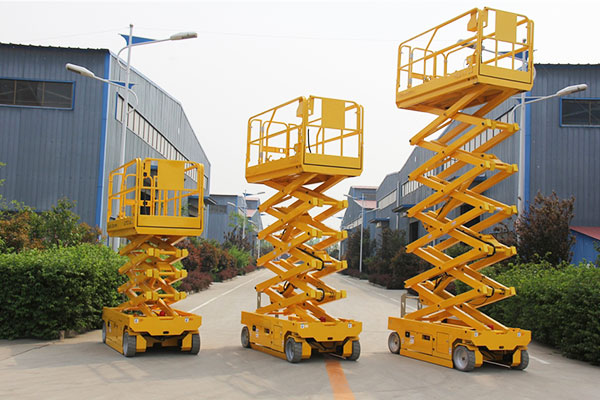
Which Scissor Lift is Right for You?
Choose a Hydraulic Scissor Lift if:
- You need strong lifting power
- Your work environment is outdoors or rugged
- You require long operating hours with high torque
- You handle heavy materials or tools
Choose an Electric Scissor Lift if:
- You operate mainly indoors
- Noise and air quality matter
- You want lower maintenance costs
- You need stable and precise control
Conclusion
Both hydraulic scissor lifts and electric scissor lifts are essential tools for working at height, but they serve different purposes. A hydraulic lift excels in heavy-duty, outdoor environments, while an electric lift shines in clean, indoor spaces where efficiency and low noise are required.