

What is a Counterbalance Forklift? A Complete Guide
A counterbalance forklift is one of the most common types of forklifts used in warehouses, construction sites, and industrial settings. Known for its simplicity and versatility, it is designed to lift and transport heavy loads efficiently while maintaining balance and stability. If you’re new to material handling or looking to expand your fleet, understanding counterbalance forklifts is essential.
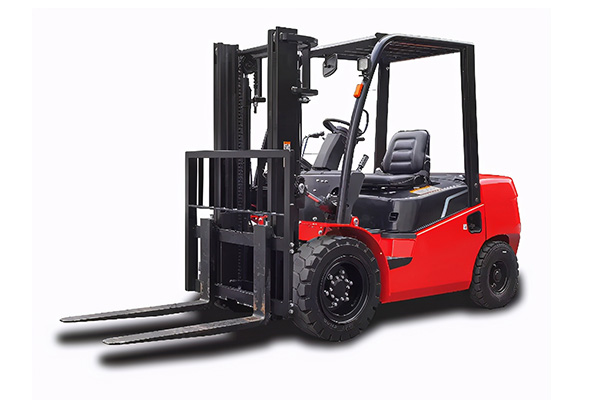
What is a Counterbalance Forklift?
A counterbalance forklift is a type of forklift that relies on a weight at the back of the vehicle to counteract the load being lifted at the front. This counterweight allows the forklift to lift heavy objects without tipping over. Unlike other types of forklifts, such as reach trucks or order pickers, counterbalance forklifts do not require additional support mechanisms, making them ideal for straight-line operations.
Key Components
- Counterweight: A heavy weight located at the rear of the forklift to balance the load.
- Mast: The vertical assembly that raises and lowers the forks.
- Forks: The prongs that lift and carry the load.
- Cabin/Operator Controls: Where the operator controls the forklift’s movements.
- Engine/Power Source: Counterbalance forklifts can be powered by diesel, LPG, or electricity.
How Does a Counterbalance Forklift Work?
The principle is simple: when the forklift lifts a load, the counterweight at the back prevents the vehicle from tipping forward. The center of gravity of the forklift and the load must remain within the stability triangle — an imaginary area between the two front wheels and the center of the rear axle. This balance allows the forklift to safely lift and transport heavy items over short distances.
Types of Counterbalance Forklifts
Counterbalance forklifts come in different types depending on the power source and usage:
- Electric Counterbalance Forklift: Powered by batteries, ideal for indoor use due to zero emissions and quiet operation.
- Diesel Counterbalance Forklift: Best suited for outdoor and heavy-duty applications; offers more power and longer operation times.
- LPG Counterbalance Forklift: Uses liquefied petroleum gas, providing versatility for both indoor and outdoor use.
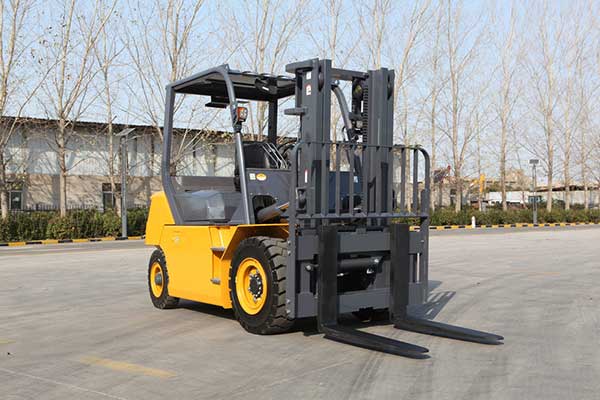
Advantages of Counterbalance Forklifts
- Versatility – Suitable for a wide range of applications, from warehouse operations to construction sites.
- Easy Operation – Simple controls and a compact design allow for excellent maneuverability.
- High Lifting Capacity – Available in various models with lifting capacities from 1 ton to over 10 tons.
- No Need for Outriggers – Can lift directly in front of the machine, saving time and space.
- Wide Availability – Parts, accessories, and service support are readily accessible worldwide.
Applications of Counterbalance Forklifts
Counterbalance forklifts are widely used across industries:
- Warehouses and distribution centers for moving pallets.
- Manufacturing plants for transporting raw materials.
- Construction sites for moving heavy equipment and supplies.
- Retail and wholesale stores for loading and unloading goods.
Safety Tips for Using Counterbalance Forklifts
- Always check the forklift’s load capacity before lifting.
- Keep the load balanced and centered on the forks.
- Operate at safe speeds, especially when turning.
- Avoid sudden movements or lifting on uneven surfaces.
- Conduct regular maintenance checks on brakes, tires, and hydraulics.
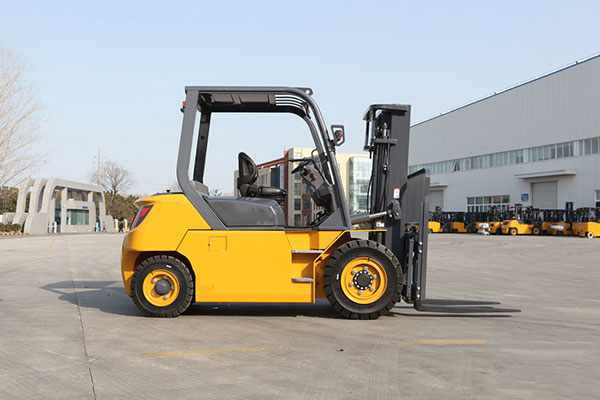
How to Choose the Right Counterbalance Forklift
When selecting a counterbalance forklift, consider the following factors:
- Load Capacity: Choose according to the heaviest load to be lifted.
- Lifting Height: Make sure it meets your warehouse or stacking requirements.
- Power source: choose between electric or internal combustion based on your work environment.
- Operator Comfort: Look for ergonomic designs to reduce fatigue.
Conclusion
A counterbalance forklift is a reliable, efficient, and versatile material-handling solution for a wide range of industries. Its simple design, combined with the counterweight principle, makes it one of the most commonly used forklifts worldwide. Whether you’re managing a warehouse, construction site, or manufacturing plant, understanding how counterbalance forklifts work can help improve productivity and safety.
If you are looking for a reliable counterbalance forklift supplier, you can contact us directly for more information.