

Cold Formed Steel Sheet Piles: A Comprehensive Guide
In modern construction, durability, efficiency, and cost-effectiveness are critical. Cold formed steel sheet piles have emerged as a reliable solution for various civil engineering and marine projects. Unlike traditional steel or concrete piles, cold formed sheet piles are manufactured using a rolling or pressing process at room temperature, offering exceptional strength-to-weight ratios and long-term performance.
What is Cold Formed Steel Sheet Pile?
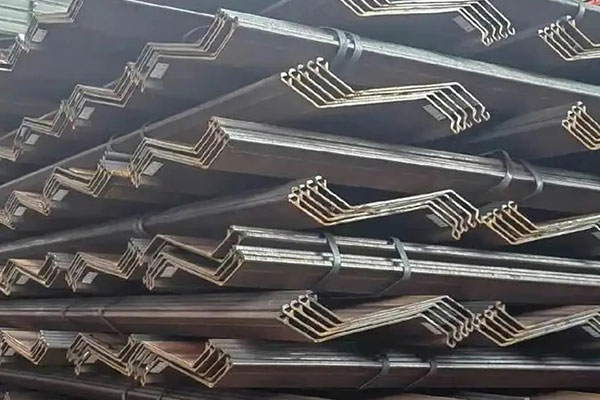
Cold formed steel sheet piles are structural steel sheets that are shaped and strengthened without heating. The process involves passing flat steel strips through a series of rolls to form interlocking profiles, creating a continuous wall when driven into soil or water. These piles are widely used for retaining walls, quay walls, cofferdams, and deep excavations.
Key Features of Cold Formed Steel Sheet Piles:
- High load-bearing capacity
- Interlocking design for continuous wall construction
- Corrosion resistance with proper coating
- Lightweight for easier handling and faster installation
Manufacturing Process
The manufacturing process of cold formed steel sheet piles involves:
- Material Selection: High-strength steel is chosen to ensure durability and structural integrity.
- Cold Forming: Steel sheets are passed through rollers to create the required profile without heating, preserving the steel’s strength.
- Finishing: The sheets may be galvanized, coated, or painted to enhance corrosion resistance and longevity.
This process produces a uniform, high-quality product that meets international construction standards.
Advantages of Cold Formed Steel Sheet Piles
Cold formed steel sheet piles offer multiple advantages over traditional piling solutions:
- High Strength-to-Weight Ratio: Cold forming increases steel strength without adding weight, making handling and installation easier.
- Cost-Effective: Faster installation and lower material wastage reduce overall project costs.
- Versatility: Suitable for marine works, river embankments, retaining walls, and foundation support.
- Durability: Resistant to soil pressures, water, and environmental conditions when properly coated.
- Eco-Friendly: Steel is 100% recyclable, supporting sustainable construction practices.
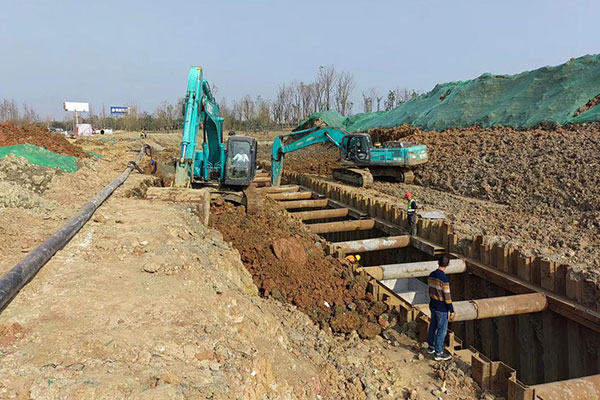
Applications in Construction
Cold formed steel sheet piles are versatile and used across multiple construction sectors:
- Marine and Port Engineering: Ideal for quay walls, seawalls, and piers due to their interlocking design and resistance to water pressure.
- Civil Engineering Projects: Retaining walls, road embankments, and bridge abutments benefit from their structural stability.
- Foundation Support: Used in cofferdams and deep excavations to retain soil and prevent water intrusion.
- Flood Protection: Construct levees and flood barriers quickly and efficiently.
Maintenance and Longevity
With proper coatings, such as galvanization or epoxy, cold formed steel sheet piles can last for decades even in harsh marine or acidic soil environments. Regular inspection and maintenance, including rust treatment and structural checks, ensure long-term performance.
Conclusion
Cold formed steel sheet piles are a modern, efficient, and sustainable solution for a wide range of construction needs. Their combination of strength, versatility, and ease of installation makes them an ideal choice for engineers and contractors worldwide. Whether you’re building coastal infrastructure or reinforcing urban developments, cold formed steel sheet piles provide reliable performance under demanding conditions.