

Benefits of Using a Concrete Mixer on Construction Sites
Concrete is one of the most widely used materials in modern construction, forming the foundation of buildings, roads, bridges, and infrastructure projects. To achieve consistent quality and efficiency, concrete mixers have become essential equipment on construction sites. Using a concrete mixer not only improves productivity but also ensures better control over concrete quality. Below are the key benefits of using a concrete mixer on construction sites.
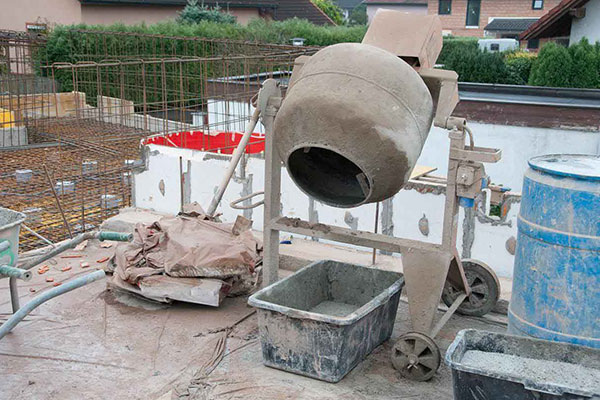
1. Consistent and High-Quality Concrete Mix
One of the biggest advantages of a concrete mixer is its ability to produce a uniform mix. By evenly blending cement, sand, aggregates, and water, a concrete mixer reduces the risk of weak spots caused by improper mixing. Consistent concrete quality leads to stronger structures, improved durability, and better overall project performance.
2. Increased Construction Efficiency
Concrete mixers significantly speed up the mixing process compared to manual methods. With faster mixing cycles, workers can prepare larger quantities of concrete in less time, helping projects stay on schedule. This is especially important for large-scale construction sites where continuous concrete supply is required.
3. Reduced Labor Costs
Manual concrete mixing is labor-intensive and time-consuming. Using a concrete mixer minimizes the need for excessive manpower, allowing construction teams to focus on other critical tasks. Reduced labor dependency helps lower overall project costs while improving site productivity.
4. Improved Workplace Safety
Mixing concrete manually exposes workers to heavy lifting, dust, and repetitive movements, increasing the risk of injuries. A concrete mixer automates the mixing process, reducing physical strain and minimizing direct contact with cement and aggregates. This contributes to a safer and healthier working environment on construction sites.
5. Better Control Over Mix Ratios
Concrete mixers allow precise control over material proportions, ensuring the correct mix ratio every time. Accurate measurements help meet engineering specifications and construction standards, which is crucial for structural integrity and compliance with regulations.
6. Versatility for Different Construction Applications
Concrete mixers are suitable for a wide range of construction projects, including residential buildings, commercial complexes, roads, and infrastructure works. They can handle different types of concrete mixes, such as standard concrete, reinforced concrete, and specialty mixes, making them a versatile choice for contractors.
7. Reduced Material Waste
Improper mixing often leads to wasted materials due to rejected or unusable concrete. With a concrete mixer, materials are blended efficiently, reducing overuse and minimizing waste. This not only saves money but also supports more sustainable construction practices.
8. Enhanced Project Scheduling and Planning
Reliable and consistent concrete production helps contractors plan pours more accurately. By using a concrete mixer, construction teams can better coordinate tasks, reduce downtime, and maintain a smooth workflow throughout the project lifecycle.
9. Cost-Effective Long-Term Investment
Although purchasing or renting a concrete mixer requires an initial investment, the long-term benefits outweigh the cost. Increased productivity, reduced labor expenses, lower material waste, and improved quality all contribute to significant savings over time.
Conclusion
Using a concrete mixer on construction sites offers numerous benefits, from improved concrete quality and higher efficiency to enhanced safety and cost savings. Whether for small-scale projects or large infrastructure developments, concrete mixers play a vital role in modern construction. Investing in the right concrete mixer helps ensure reliable performance, better project outcomes, and long-term operational efficiency.