

10 Types of Forklifts: A Complete Guide to Their Uses
A forklift is an essential machine for lifting and moving heavy materials in warehouses, factories, and construction sites. However, there are many different types of forklifts, each designed for specific tasks and working conditions. This makes choosing the right forklift a challenge for many businesses.
In this guide, we will introduce the different types of forklifts, explain their features and common uses, and help you find the right forklift for your business.
What Are the Different Types of Forklifts?
Forklifts can be classified according to their design, power source, and intended applications. Some models are designed for narrow warehouse aisles, while others are built to handle heavy loads on rough outdoor terrain.
Here are 10 common types of forklifts:
- Counterbalance Forklift
- Reach Truck
- Pallet Jack
- Order Picker
- Rough Terrain Forklift
- Side Loader Forklift
- Telescopic Handler
- Electric Forklift
- Diesel Forklift
- LPG Forklift
Let’s take a closer look at each type.
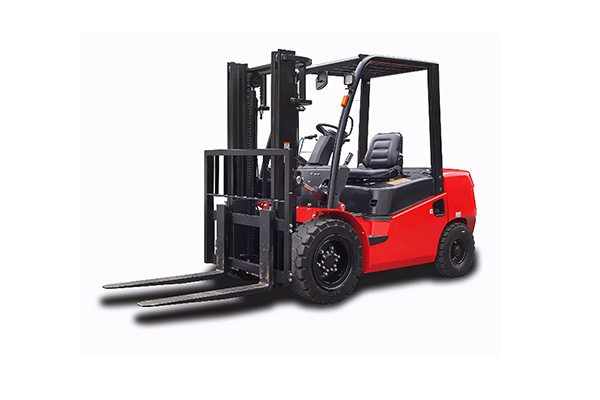
1. Counterbalance Forklift
A counterbalance forklift is one of the most widely used types of forklifts in warehouses, manufacturing facilities, and distribution centers.
It features two forks at the front and a heavy counterweight at the rear. The counterweight balances the load carried by the forks, allowing the machine to lift and transport materials safely.
Counterbalance forklifts are available in electric, diesel, and LPG-powered configurations.
Key Features:
- Front-mounted forks for direct load handling
- Rear counterweight for improved load stability
- Available in different lifting capacities
- Suitable for indoor and outdoor material handling, depending on the power source and tire configuration
Common Applications:
- Loading and unloading trucks
- Moving pallets in warehouses
- Handling materials in manufacturing plants
- Transporting goods around distribution centers
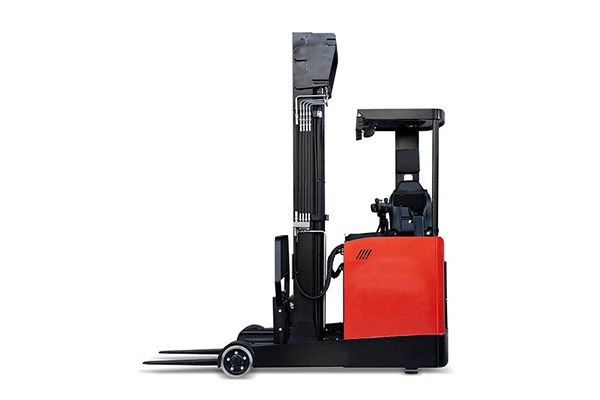
2. Reach Truck
A reach truck is a specialized warehouse forklift designed to operate in narrow aisles and high-density storage environments.
Unlike conventional counterbalance forklifts, a reach truck has a retractable mast or fork mechanism that allows the forks to extend forward and retrieve pallets from storage racks.
Its compact design and high lifting capability make it particularly suitable for warehouses where maximizing vertical storage space is important.
Key Features:
- Retractable mast or reach mechanism
- Compact design for narrow aisles
- High lifting heights
- Excellent maneuverability in indoor environments
Common Applications:
- High-bay warehouses
- Distribution centers
- Cold storage facilities
- Narrow-aisle pallet storage systems
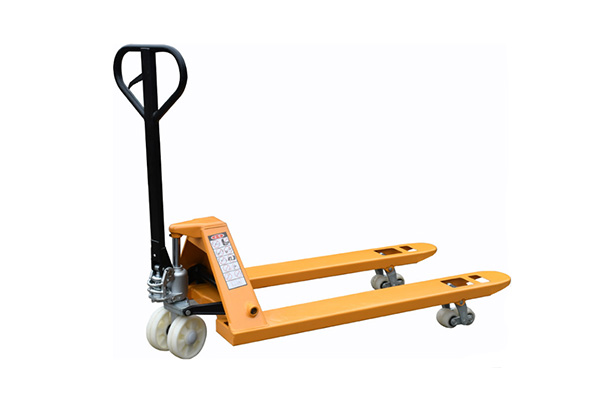
3. Pallet Jack
A pallet jack, also known as a pallet truck, is a simple material handling machine designed to lift and move palletized goods over short distances.
There are two main types: manual pallet jacks and electric pallet jacks.
Manual pallet jacks use a hydraulic pump operated by a handle, while electric models use battery-powered motors to assist with lifting and movement.
Key Features:
- Simple and compact construction
- Easy operation
- Lower purchase and maintenance costs compared with larger forklifts
- Suitable for moving palletized goods at ground level
Common Applications:
- Retail stores
- Small warehouses
- Loading docks
- Manufacturing facilities
Pallet jacks are ideal for transporting pallets over short distances, but they are not designed for high-level stacking.
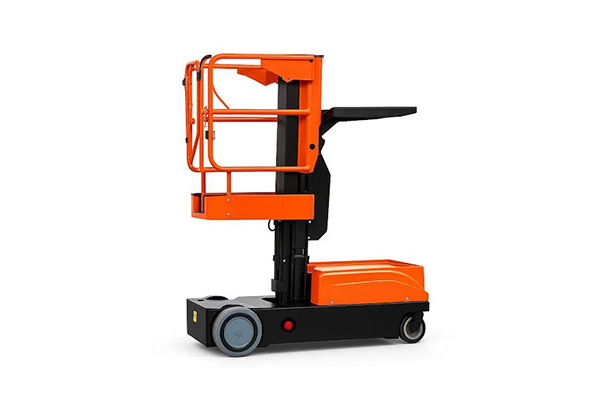
4. Order Picker
An order picker is a specialized warehouse forklift designed to help operators retrieve individual products from storage shelves.
Unlike traditional forklifts that lift pallets, an order picker raises the operator’s platform to the required storage level. This allows workers to pick individual items directly from warehouse racks.
Key Features:
- Elevated operator platform
- Designed for individual item picking
- Excellent maneuverability in narrow aisles
- Suitable for multi-level warehouse storage
Common Applications:
- E-commerce fulfillment centers
- Retail distribution warehouses
- Spare parts warehouses
- Inventory management facilities
Order pickers are particularly useful for businesses that handle a large number of individual product orders.
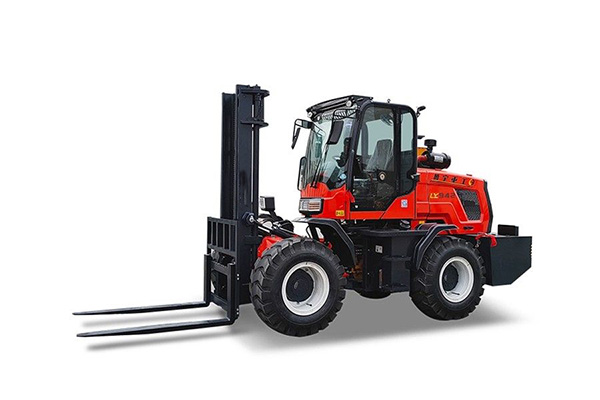
5. Rough Terrain Forklift
A rough terrain forklift is designed for outdoor material handling on uneven, muddy, gravel-covered, or otherwise challenging ground conditions.
Compared with standard warehouse forklifts, rough terrain models typically feature large pneumatic tires, higher ground clearance, and powerful engines.
Many models use diesel engines and are equipped with four-wheel drive to improve traction on difficult surfaces.
Key Features:
- Large pneumatic tires
- High ground clearance
- Powerful engine performance
- Strong traction on uneven terrain
- Designed for demanding outdoor conditions
Common Applications:
- Construction sites
- Agricultural operations
- Lumber yards
- Outdoor material storage areas
- Infrastructure projects
Rough terrain forklifts are an excellent choice for businesses that need to move heavy materials across challenging outdoor surfaces.
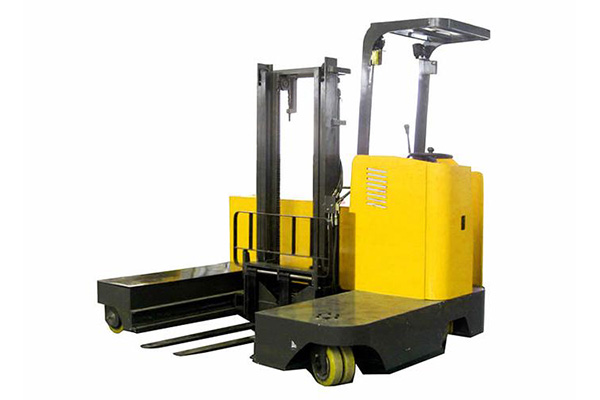
6. Side Loader Forklift
A side loader forklift is designed to transport long and bulky materials that are difficult to handle with conventional front-loading forklifts.
Instead of carrying loads in front, it lifts materials from the side. This configuration allows the machine to transport long items without requiring excessive turning space.
Key Features:
- Side-mounted lifting forks
- Suitable for handling long materials
- Improved maneuverability when transporting lengthy loads
- Available in different configurations and capacities
Common Applications:
- Timber and lumber yards
- Steel warehouses
- Metal processing facilities
- Pipe and construction material storage
Side loader forklifts are particularly useful for handling long loads such as steel bars, pipes, timber, and metal profiles.
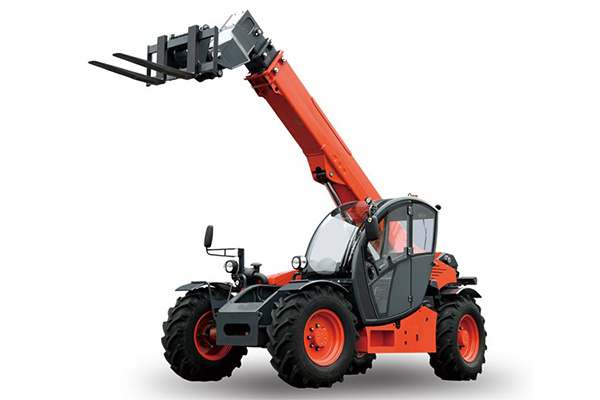
7. Telescopic Handler
A telescopic handler, also known as a telehandler, is a versatile lifting machine equipped with a telescopic boom.
Unlike conventional forklifts, which generally lift loads vertically along a mast, a telehandler can extend its boom forward and upward to reach difficult loading positions.
Depending on the attachment, it can perform multiple tasks beyond standard pallet handling.
Key Features:
- Extendable telescopic boom
- High lifting and reaching capabilities
- Compatible with different attachments
- Suitable for demanding outdoor applications
Common Applications:
- Construction projects
- Agricultural operations
- Building material handling
- Loading and unloading elevated platforms
Common attachments include pallet forks, buckets, lifting hooks, and work platforms. Always ensure that attachments are approved for the machine and used within its rated capacity.
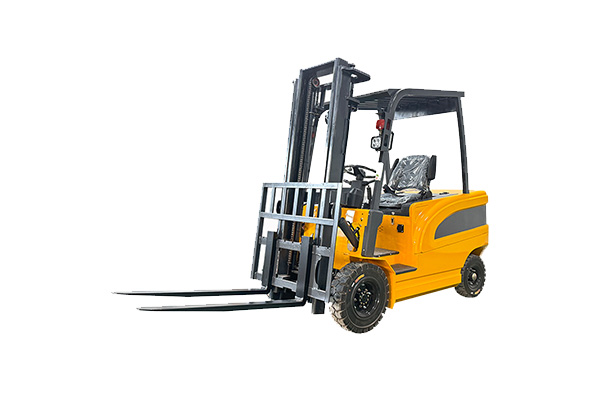
8. Electric Forklift
An electric forklift uses rechargeable batteries instead of an internal combustion engine.
It is widely used in warehouses, factories, food processing facilities, and other indoor environments where low noise and zero exhaust emissions at the point of use are important.
Electric forklifts are commonly powered by lead-acid or lithium-ion batteries.
Key Features:
- Zero tailpipe emissions during operation
- Low operating noise
- Smooth acceleration and handling
- Lower routine maintenance requirements in many applications
- Suitable for indoor operations
Common Applications:
- Indoor warehouses
- Food and beverage facilities
- Pharmaceutical manufacturing
- Retail distribution centers
Electric forklifts are a good option for businesses looking to reduce indoor emissions and improve workplace conditions.
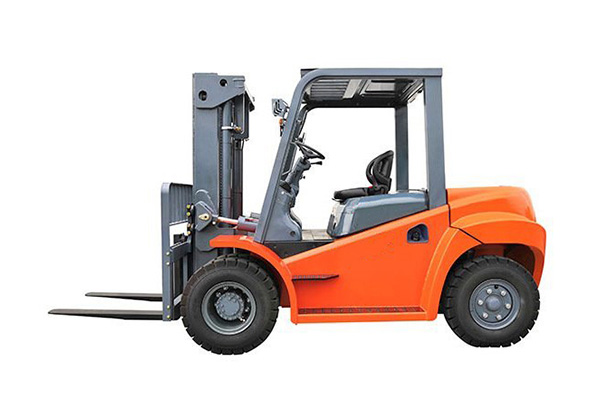
9. Diesel Forklift
A diesel forklift is a heavy-duty material handling machine powered by a diesel engine.
It is commonly used for outdoor applications requiring high lifting capacities, long operating hours, and strong performance under demanding working conditions.
Compared with many electric warehouse forklifts, diesel models are often better suited to outdoor environments where ventilation and terrain conditions allow their use.
Key Features:
- Powerful diesel engine
- Suitable for heavy-duty applications
- Fast refueling
- Designed for extended outdoor operation
- Available in various lifting capacities
Common Applications:
- Construction sites
- Shipping yards
- Industrial facilities
- Timber yards
- Heavy material handling operations
Diesel forklifts are generally not recommended for enclosed indoor environments because of exhaust emissions.
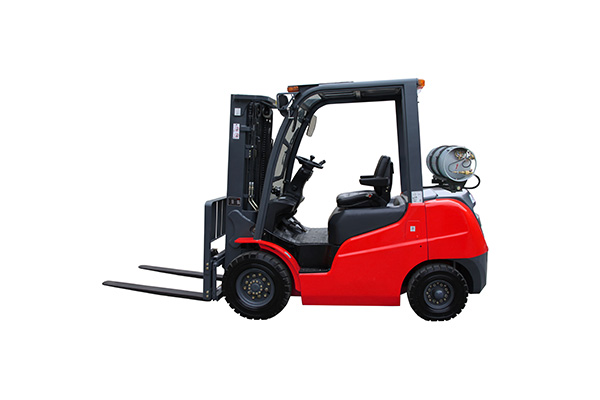
10. LPG Forklift
An LPG forklift uses liquefied petroleum gas as its fuel source.
It offers a balance between indoor and outdoor operating flexibility, provided the facility has appropriate ventilation and follows applicable safety requirements.
LPG forklifts are commonly used in warehouses, manufacturing facilities, and distribution centers that require frequent operation and quick refueling.
Key Features:
- Relatively quick fuel cylinder replacement
- Consistent engine performance
- Suitable for indoor or outdoor use when conditions permit
- Available in different lifting capacities
Common Applications:
- Manufacturing plants
- Warehouses with adequate ventilation
- Distribution centers
- Loading and unloading operations
LPG forklifts produce exhaust emissions, so proper ventilation and compliance with local regulations are essential when operating indoors.
Comparison of Different Types of Forklifts
Understanding the differences between forklift types makes it easier to identify the right machine for your business.
| Forklift Type | Main Advantage | Typical Application |
|---|---|---|
| Counterbalance Forklift | Versatile load handling | Warehouses and factories |
| Reach Truck | Narrow-aisle operation | High-bay warehouses |
| Pallet Jack | Simple pallet transportation | Retail and small warehouses |
| Order Picker | Individual item picking | E-commerce warehouses |
| Rough Terrain Forklift | Handles uneven surfaces | Construction sites |
| Side Loader Forklift | Handles long materials | Steel and lumber yards |
| Telescopic Handler | Extended reach and versatility | Construction and agriculture |
| Electric Forklift | No tailpipe emissions | Indoor facilities |
| Diesel Forklift | Heavy-duty performance | Outdoor industrial sites |
| LPG Forklift | Quick refueling | Warehouses and factories |
Note: These categories are not mutually exclusive. For example, a counterbalance forklift can also be electric, diesel, or LPG-powered. The comparison combines different forklift designs and power-source categories for easier understanding.
How to Choose the Right Type of Forklift?
Choosing the right forklift depends on your specific material handling needs. Before making a purchase, consider the following factors:
1. Load Capacity
Check the maximum weight of the materials you need to lift. Choose a forklift with sufficient rated capacity for your daily operations.
2. Lifting Height
Consider how high you need to lift or stack materials. Make sure the forklift can reach your required height safely.
3. Working Environment
For indoor use, electric forklifts are often a good choice. For outdoor operations or uneven ground, diesel or rough terrain forklifts may be more suitable.
4. Operating Space
Check the width of your warehouse aisles and working areas. Reach trucks are ideal for narrow aisles, while counterbalance forklifts need more turning space.
5. Operating Costs
Consider fuel or electricity consumption, maintenance, spare parts, and battery costs to find a forklift that fits your budget.
Final Words
Now you have a better understanding of the different types of forklifts and their common applications. As you can see, each type is designed for specific working conditions and material handling tasks. By choosing the right forklift for your business, you can improve work efficiency, reduce operating costs, and make your daily operations easier.
Frequently Asked Questions
Electric forklifts run on rechargeable batteries and produce no tailpipe emissions. Diesel forklifts use diesel engines and are generally preferred for heavy-duty outdoor operations.
A forklift’s service life depends on its brand, maintenance, operating environment, and workload. With proper maintenance, many forklifts can operate for approximately 10,000 to 20,000 hours or more.
The main parts of a forklift include the mast, forks, carriage, overhead guard, counterweight, hydraulic system, tires, and power unit. Each component plays an important role in lifting, moving, and handling materials.
Forklifts commonly use cushion tires, solid pneumatic tires, and air-filled pneumatic tires. Cushion tires are suitable for smooth indoor floors, while pneumatic tires are better for outdoor surfaces and uneven terrain.