

What is a Power Trowel? Types, Uses, and Benefits
Concrete finishing is an important step in construction projects. Whether building warehouse floors, commercial buildings, parking garages, or residential properties, achieving a smooth and durable concrete surface requires the right equipment. One of the most commonly used machines for this task is a power trowel.
But what is a power trowel, and how does it work? In this guide, we will explore its working principle, different types, common applications, and key benefits.
What is a Power Trowel?
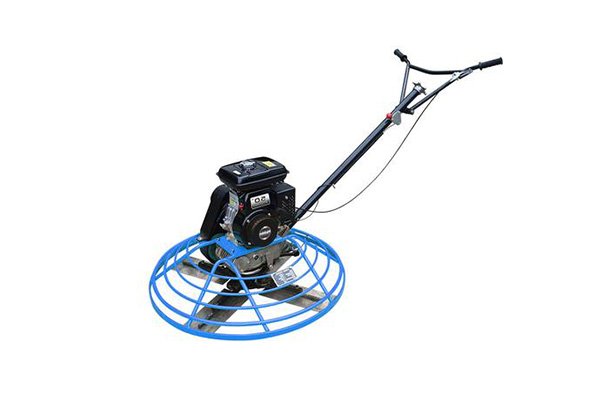
A power trowel, also known as a concrete power trowel or power float, is a construction machine used to finish concrete floors and slabs.
It typically consists of an engine or electric motor, a gearbox, rotating blades, a protective guard, and an operating handle or control system. When the machine is running, the engine drives the blades to rotate across the concrete surface, gradually smoothing and refining it.
Power trowels are generally used after concrete has been poured and initially leveled with a concrete screed. They help eliminate minor surface irregularities and produce a smoother, more durable concrete finish.
Depending on their design and operating method, power trowels are mainly divided into two categories: walk-behind power trowels and ride-on power trowels.
How Does a Power Trowel Work?
A power trowel works by using rotating blades to smooth and compact the upper surface of freshly placed concrete. The finishing process usually involves several stages.
Step 1: Prepare the Concrete
After pouring, concrete is spread and initially leveled using screeds or other leveling tools.
Step 2: Wait for the Right Setting Time
The concrete must reach the appropriate firmness before troweling begins. If it is too wet, the machine may damage the surface. If it is too hard, achieving a smooth finish becomes difficult.
Step 3: Start the Machine
The operator starts the power trowel and moves it carefully across the concrete surface. The rotating blades begin smoothing the material.
Step 4: Float and Finish the Surface
Floating pans or combination blades are commonly used during the initial finishing stage. Finishing blades are then used as the concrete becomes firmer to create a smoother and denser surface.
Step 5: Complete the Finishing Process
The operator makes additional passes until the required surface finish is achieved. The concrete is then allowed to cure properly.
The timing and number of passes depend on concrete conditions, weather, and project specifications.
What Are the Different Types of Power Trowels?
Power trowels come in several designs to meet different construction requirements. The most common types include:
1. Walk-Behind Power Trowel
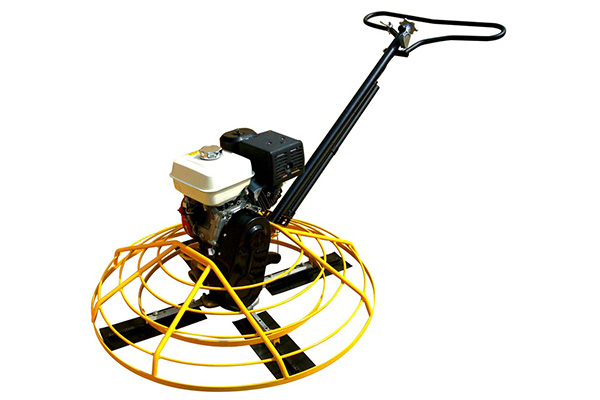
A walk-behind power trowel is a compact machine operated by a worker using a control handle. It is suitable for small and medium-sized concrete surfaces where maneuverability is important.
Key Features:
- Compact structure and easy transportation.
- Flexible operation in confined spaces.
- Suitable for different concrete finishing applications.
Common Applications:
- Residential concrete floors.
- Sidewalks and patios.
- Small warehouses and workshops.
- Commercial building floors.
2. Ride-On Power Trowel
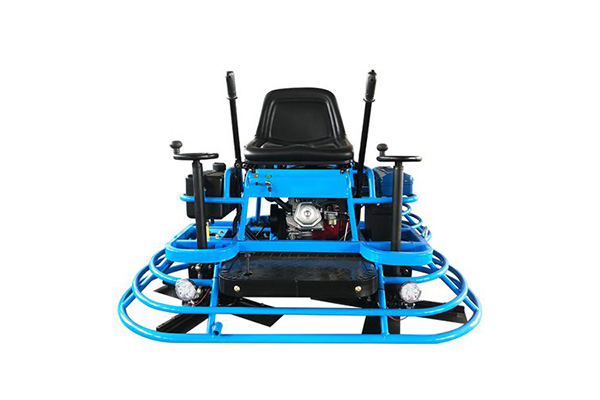
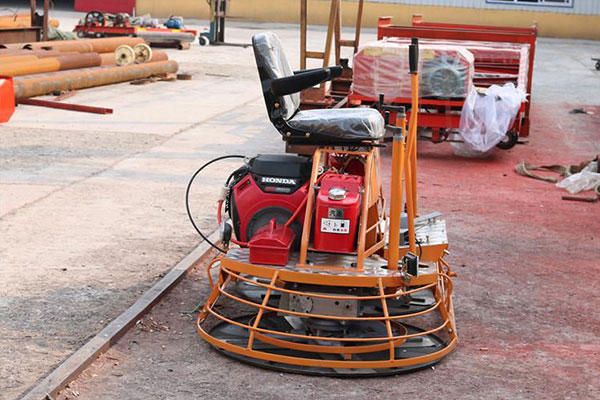
A ride-on power trowel is a larger machine designed for finishing extensive concrete surfaces. It typically features two rotating rotor assemblies and a seat for the operator.
Key Features:
- High working efficiency
- Wider finishing coverage
- Reduced operator physical effort
- Suitable for large-scale construction projects
Common Applications:
- Industrial warehouse floors
- Factory floors
- Distribution centers
- Large commercial buildings
- Parking structures
Ride-on models are particularly suitable for contractors who need to finish large concrete areas within tight project schedules.
3. Electric Power Trowel
An electric power trowel uses an electric motor instead of a gasoline engine. It is often preferred for indoor applications where noise and exhaust emissions need to be reduced.
Its suitability depends on the available power supply, operating time, and machine specifications.
4. Gasoline-Powered Power Trowel
Gasoline-powered power trowels use an internal combustion engine to drive the rotating blades. They are commonly used on outdoor construction sites because they can operate independently of a fixed electrical connection.
They offer flexibility for different job sites but require appropriate ventilation and regular engine maintenance.
What is a Power Trowel Used For?
Power trowels are widely used in construction projects that require smooth and uniform concrete surfaces.
Common applications include:
- Warehouse Floors: Help create smooth and durable industrial flooring for storage and logistics facilities.
- Factory Floors: Improve concrete surface consistency in manufacturing environments.
- Commercial Buildings: Finish concrete floors in shopping centers, offices, and retail facilities.
- Parking Garages: Provide uniform concrete finishing for parking structures.
- Residential Projects: Finish concrete floors, patios, and other suitable concrete surfaces.
Both walk-behind and ride-on models can be used for concrete floor finishing, depending on the project size and working conditions.
Benefits of Using a Power Trowel
Using a power trowel offers several advantages over traditional manual concrete finishing methods.
Higher Working Efficiency
A power trowel can finish concrete much faster than manual hand tools, especially when working on large floor areas. Ride-on models further improve productivity through wider working coverage.
Smoother Concrete Surfaces
Rotating blades help remove minor surface imperfections and create a more uniform concrete finish.
Improved Surface Density
Proper mechanical troweling helps consolidate the upper layer of concrete, producing a denser and more durable surface when performed at the correct stage.
Reduced Labor Requirements
Power trowels reduce manual finishing work, allowing construction teams to improve labor efficiency and manage larger projects more effectively.
Versatile Applications
With different machine sizes, blade configurations, and power options, power trowels can accommodate various concrete finishing requirements.
Power Trowel vs. Concrete Screed: What’s the Difference?
Although both machines are used in concrete construction, they serve different purposes.
A concrete screed is primarily used to level freshly poured concrete and establish the required slab height. A power trowel is used afterward to smooth and finish the concrete surface.
| Comparison | Power Trowel | Concrete Screed |
|---|---|---|
| Main Function | Smooth and finish concrete | Level concrete |
| Working Stage | After initial leveling | During concrete placement |
| Main Component | Rotating blades | Screed beam |
| Main Result | Smooth surface | Even concrete level |
| Applications | Concrete floor finishing | Concrete leveling |
For many construction projects, both machines are used together to achieve the required concrete floor quality.
How to Choose the Right Power Trowel?
Choosing the right power trowel depends on your project requirements, working environment, and expected productivity.
Consider the following factors before purchasing:
- Machine Type: Choose a walk-behind model for smaller areas and confined spaces, or a ride-on model for large industrial and commercial floors.
- Blade Diameter: Larger blade diameters generally provide wider finishing coverage, while smaller machines offer better maneuverability.
- Engine Power: Select an engine configuration that matches the machine size and expected workload.
- Blade Configuration: Check whether the machine supports floating pans, combination blades, and finishing blades for different stages of concrete finishing.
- Build Quality: Pay attention to the frame, gearbox, engine components, and blade durability to ensure reliable long-term operation.
- Maintenance and Safety: Consider ease of maintenance, available spare parts, blade guards, and emergency stop systems.
Selecting a suitable machine can help improve finishing efficiency and reduce unnecessary operating costs.
Frequently Asked Questions
A power trowel should be used when concrete has reached the appropriate setting stage. It should be firm enough to support the machine but still workable for effective finishing.
No. A power trowel improves surface smoothness and density but does not make concrete waterproof. Proper waterproofing requires suitable materials and additional protective treatments when necessary.
Operators should wear appropriate personal protective equipment, including safety boots, eye protection, hearing protection, and gloves where appropriate. They should also inspect the machine before operation, keep people away from rotating blades, and follow the manufacturer’s safety instructions.
Summary
A power trowel is an essential concrete finishing machine used to create smooth, uniform, and dense concrete surfaces. It improves working efficiency, reduces manual labor, and helps contractors achieve consistent finishing results across different construction projects.
Looking for a reliable power trowel for your construction projects? Explore our concrete finishing equipment or contact our team to learn more about available models, technical specifications, and customized solutions.