

Static vs. Vibratory Roller: Differences and How to Choose
Choosing the right road roller can have a major impact on compaction quality, project efficiency, fuel consumption, and overall construction costs. Two of the most common options are static rollers and vibratory rollers. Although both machines are designed to compact soil, asphalt, and other construction materials, they use different compaction principles and perform best in different applications.
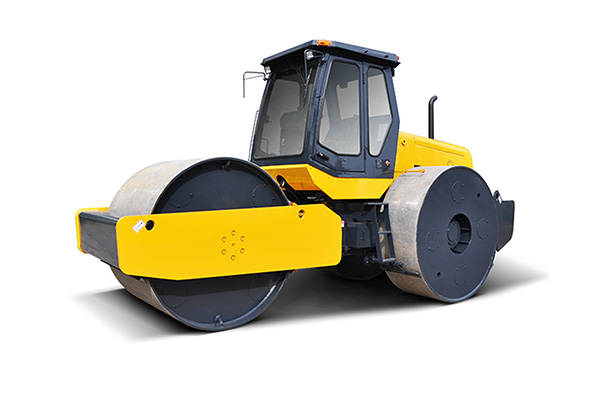
What is a Static Roller?
A static roller compacts material primarily through the weight of the machine. As the smooth or specialized roller drum passes over the surface, its static load applies pressure to the material and reduces air voids.
Static rollers generally have a simpler operating principle because they do not use a vibrating drum. They are commonly used for applications where controlled surface compaction is required or where vibration could potentially damage nearby structures.
Typical applications include:
- Asphalt finishing and surface compaction
- Final rolling of paved surfaces
- Compaction near buildings and structures
- Smaller construction and maintenance projects
- Areas where vibration needs to be minimized
Static rollers are available in different configurations, including single-drum and tandem rollers, depending on the required application.
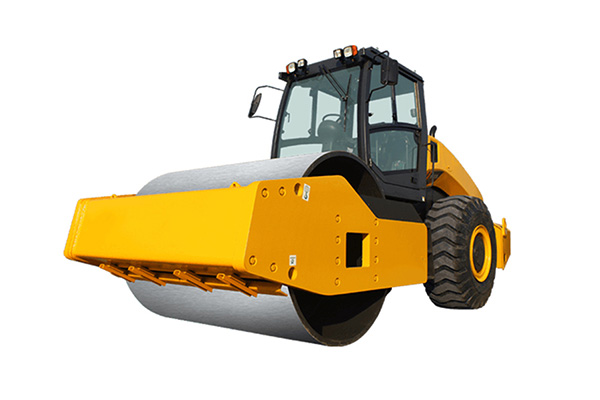
What is a Vibratory Roller?
A vibratory roller uses both the machine’s static weight and controlled vibration to compact construction materials. The vibrating drum generates dynamic forces that penetrate deeper into the material, allowing particles to move closer together.
This combination of static and dynamic compaction generally makes vibratory rollers more efficient for many soil and road construction applications.
Vibratory rollers are widely used for:
- Soil compaction
- Base and sub-base compaction
- Asphalt road construction
- Highway construction
- Parking lots
- Foundations and building sites
- Large-scale infrastructure projects
Depending on the machine configuration, vibratory rollers can use different vibration frequencies and amplitudes to match the material and compaction requirements.
Static vs. Vibratory Roller: Key Differences
The main difference between the two machines is their compaction method.
| Feature | Static Roller | Vibratory Roller |
|---|---|---|
| Compaction principle | Machine weight | Weight + vibration |
| Compaction depth | Generally shallower | Generally deeper |
| Productivity | Moderate | Usually higher |
| Soil compaction | Suitable for selected applications | Excellent for many granular soils |
| Asphalt compaction | Suitable, especially for finishing | Highly effective |
| Vibration | None | Yes |
| Nearby structures | Lower vibration risk | Requires more careful operation |
| Operating complexity | Relatively simple | More operating parameters |
| Typical use | Finishing and controlled compaction | Heavy-duty soil and road construction |
Static Roller vs. Vibratory Roller for Soil Compaction
For soil compaction, vibratory rollers are often the preferred choice, particularly for granular soils such as sand and gravel. Vibration helps reduce friction between particles and allows them to rearrange into a denser configuration.
Static rollers can still be useful for certain soil conditions and finishing operations, but their compaction effect relies primarily on the machine’s weight.
For projects involving deep or heavily compacted soil layers, a vibratory roller will generally provide greater compaction efficiency than a comparable static roller.
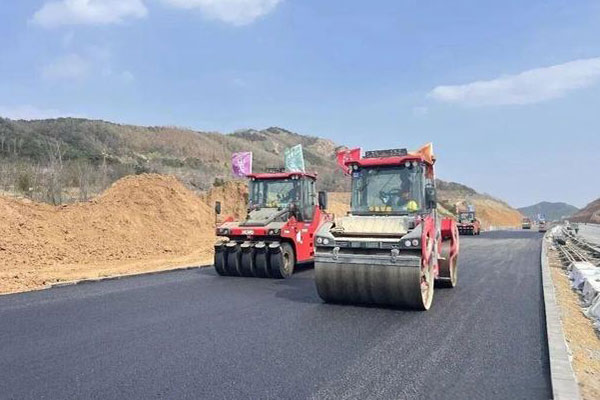
Static vs. Vibratory Roller for Asphalt
Both roller types can be used in asphalt construction, but they often serve different purposes.
A vibratory asphalt roller can provide strong initial and intermediate compaction, helping achieve the required density efficiently. Operators can adjust vibration settings according to the asphalt mix, temperature, layer thickness, and project requirements.
A static roller can be useful during finishing passes because it applies pressure without generating vibration. This can help produce a smooth surface while reducing the risk of excessive vibration during the final stage of compaction.
For many paving projects, contractors may use both vibratory and static modes or combine different roller types throughout the compaction process.
Advantages of Static Rollers
Static rollers have several advantages:
- Simple Operation: Without a vibration system, static rollers are relatively straightforward to operate and maintain.
- Lower Vibration: The absence of drum vibration makes static rollers useful in areas where excessive ground vibration could be a concern.
- Effective Finishing: Static rolling can be useful for final passes and surface finishing, particularly on asphalt.
- Suitable for Specific Materials: Static rollers can perform well when the material responds effectively to pressure-based compaction.
Advantages of Vibratory Rollers
Vibratory rollers offer several important benefits for modern construction projects.
- Higher Compaction Efficiency: Dynamic vibration can achieve the required density in fewer passes under suitable operating conditions.
- Greater Compaction Depth: Vibration allows compaction energy to penetrate deeper into the material than static pressure alone.
- Versatility: Many vibratory rollers can be used for both soil and asphalt applications, depending on the drum configuration and machine design.
- Improved Productivity: Fewer passes can potentially reduce operating time, fuel consumption, and labor costs.
When Should You Choose a Static Roller?
A static roller may be the better option when:
- You need final surface finishing.
- Vibration must be minimized.
- The project involves sensitive nearby structures.
- The material responds well to static pressure.
- You require a simple and reliable compaction machine.
- The project is relatively small or involves maintenance work.
When Should You Choose a Vibratory Roller?
A vibratory roller is generally a strong choice when:
- Deep compaction is required.
- You are compacting granular soil, gravel, or aggregate.
- High productivity is important.
- The project involves highways or large roads.
- You need efficient asphalt compaction.
- Multiple compaction passes would otherwise be required.
However, vibration is not automatically better in every situation. Excessive vibration, incorrect amplitude, or inappropriate operating speed can negatively affect the material or surrounding structures. The machine should always be selected and operated according to the project specifications and material conditions.
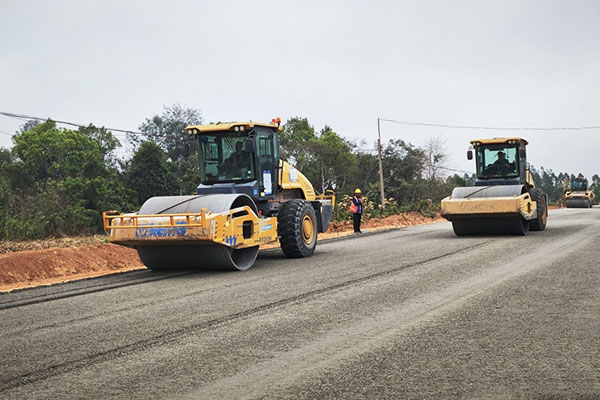
Static vs. Vibratory Roller: Which Is Better?
There is no universal winner in the static vs. vibratory roller comparison. The right choice depends on the material, required density, layer thickness, project size, working environment, and finishing requirements.
For heavy-duty soil and aggregate compaction, vibratory rollers are usually more productive and versatile. For finishing work, vibration-sensitive areas, and applications where controlled static pressure is preferred, static rollers can be the better solution.
For larger road construction projects, contractors may use a combination of compaction equipment rather than relying on one roller for every stage.
How to Choose the Right Road Roller
Before purchasing or renting a roller, consider these factors:
1. Material Type
Determine whether you will primarily compact soil, gravel, aggregate, asphalt, or another material.
2. Required Compaction Depth
If the project requires deep compaction, a vibratory roller may provide a significant advantage.
3. Drum Configuration
Smooth drums are commonly used for asphalt and granular materials, while padfoot or sheepsfoot configurations are often used for cohesive soils.
4. Machine Weight
Operating weight affects the static load applied to the material and should match the project’s compaction requirements.
5. Vibration Settings
For vibratory rollers, frequency and amplitude are important factors. The correct settings depend on material type, layer thickness, and required density.
6. Working Width
A wider drum can increase productivity on large projects, while a narrower machine may be more maneuverable in confined areas.
7. Project Environment
Consider nearby buildings, underground utilities, bridges, and other structures before using high-vibration equipment.
Final Thoughts
Choosing between a static roller and a vibratory roller depends on your project and the material you need to compact. Static rollers are a good choice for finishing work, while vibratory rollers are better for deeper and faster compaction.
Before choosing, consider the material, compaction depth, project size, and working conditions. The right roller can help you get better results and save time and operating costs.