

Galvanized Steel Wire Rope: Types, Benefits, Applications
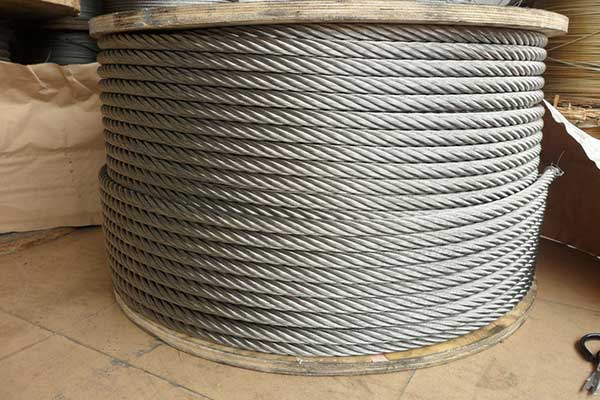
Galvanized steel wire rope is a strong, reliable, and corrosion-resistant cable used across construction, agriculture, transportation, utilities, marine-adjacent projects, and general industrial applications. Its zinc coating helps protect the steel from rust, making it an excellent choice for outdoor or damp environments.
Whether you need rope for fencing, lifting equipment, guy wires, winches, cable railings, or structural support, choosing the right galvanized steel wire rope can improve safety, durability, and long-term value.
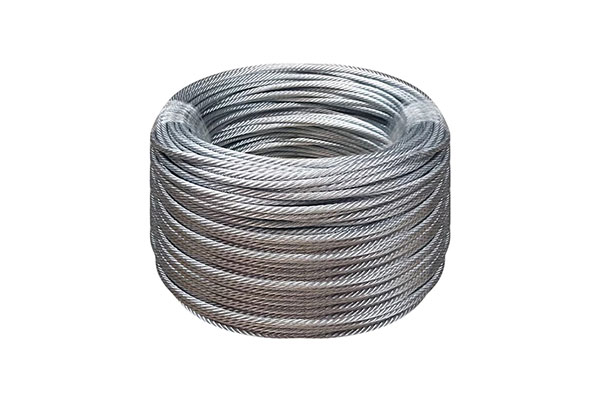
What is Galvanized Steel Wire Rope?
Galvanized steel wire rope is made from multiple steel wires twisted into strands, which are then wrapped around a central core. Before assembly, the individual wires are coated with zinc through a galvanizing process.
The zinc coating protects the steel from corrosion. It acts as a barrier against moisture and can also provide sacrificial protection, meaning the zinc corrodes before the underlying steel when the surface is damaged.
This makes galvanized wire rope more suitable for outdoor and humid conditions than bright steel wire rope.
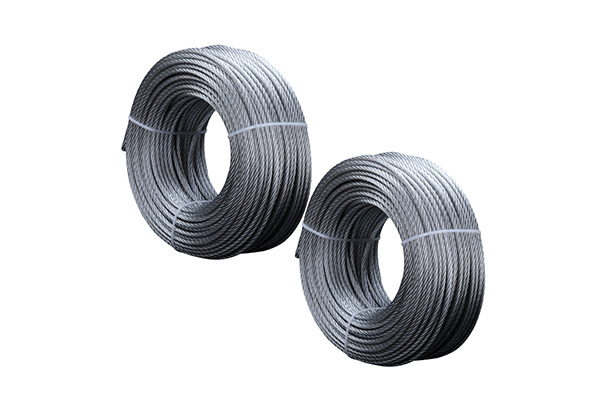
Types of Galvanized Steel Wire Rope
Galvanized steel wire rope is available in several constructions to suit different levels of flexibility, strength, and abrasion resistance.
6×19 Galvanized Steel Wire Rope
This general-purpose rope has six strands with approximately 19 wires per strand. It offers good abrasion resistance and is commonly used for winches, rigging, lifting equipment, and industrial applications.
6×36 Galvanized Steel Wire Rope
With more individual wires per strand, 6×36 wire rope is more flexible than 6×19 construction. It is suitable for applications involving pulleys, sheaves, drums, and repeated bending.
7×7 Galvanized Steel Wire Rope
7×7 galvanized wire rope has seven strands with seven wires in each strand. It provides moderate flexibility and is often used for cable railings, control cables, fencing, and general support applications.
7×19 Galvanized Steel Wire Rope
This highly flexible construction is ideal for applications requiring frequent movement and bending. It is commonly used in garage doors, fitness equipment, control systems, and flexible cable assemblies.
Galvanized Steel Wire Rope with Fiber Core
Fiber-core wire rope is flexible and can retain lubricant within the rope. It is often selected for applications where flexibility is more important than maximum crush resistance.
Galvanized Steel Wire Rope with Steel Core
Steel-core wire rope provides greater support, strength, and resistance to crushing. It is commonly used in heavy-duty industrial, lifting, and high-load applications.
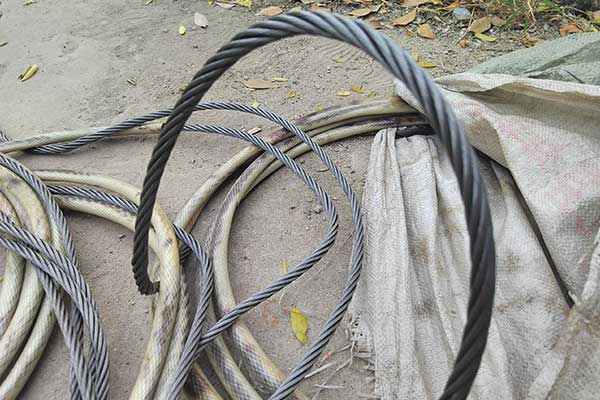
Benefits of Galvanized Steel Wire Rope
1. Corrosion resistance
The biggest advantage of galvanized steel wire rope is its resistance to rust and corrosion. The zinc coating protects the steel from rain, humidity, and many common outdoor contaminants.
2. High strength
Steel wire rope provides excellent tensile strength for pulling, supporting, securing, and rigging applications. The exact strength depends on the rope diameter, construction, steel grade, and core type.
3. Cost-effective durability
Compared with stainless steel wire rope, galvanized steel wire rope is often more affordable while still providing solid protection in moderately corrosive environments.
4. Long service life
With proper installation, inspection, lubrication, and storage, galvanized wire rope can provide reliable service for years. It is especially effective in applications where the rope is exposed to changing weather conditions.
5. Versatile applications
Galvanized rope is available in many diameters, constructions, and strengths. This flexibility makes it suitable for a broad range of commercial, industrial, agricultural, and residential uses.
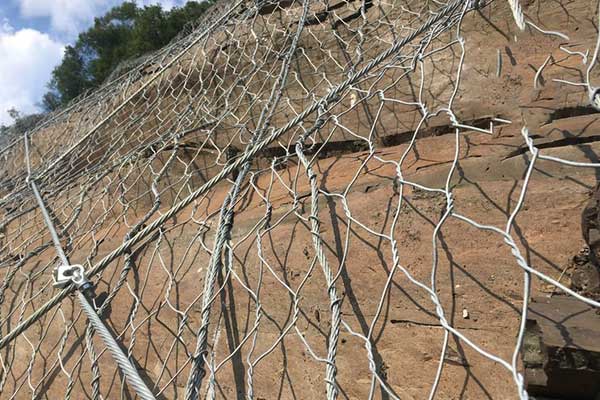
Common Applications of Galvanized Steel Wire Rope
Galvanized steel wire rope is commonly used for:
- Outdoor fencing and gate systems
- Agricultural support lines and trellises
- Utility guy wires and overhead support systems
- Winches and pulling equipment
- Cable railings and architectural cable systems
- Construction-site securing and bracing
- Greenhouse and shade-structure support
- Landscaping and tree-support applications
- Signage and suspended displays
- Guardrail and infrastructure systems
- General rigging and load-securing applications
For lifting, overhead loads, fall protection, or personnel-related applications, always use a rope and complete assembly specifically rated for the job.
Galvanized Steel Wire Rope vs. Stainless Steel Wire Rope
Both galvanized and stainless steel wire rope offer corrosion resistance, but they serve different needs.
| Feature | Galvanized Steel Wire Rope | Stainless Steel Wire Rope |
|---|---|---|
| Corrosion resistance | Good for outdoor and moderately damp conditions | Excellent for marine and highly corrosive environments |
| Cost | More economical | Higher initial cost |
| Strength | High, depending on construction | High, depending on grade and construction |
| Best use | Construction, agriculture, fencing, utilities | Marine, coastal, food-grade, architectural projects |
Galvanized steel wire rope is usually the preferred choice when a balance between performance and cost is required.
How to Choose the Right Galvanized Steel Wire Rope
Selecting wire rope involves more than choosing a diameter. Consider the following factors before purchasing.
1. Rope diameter
A larger diameter typically provides greater breaking strength, but it may also be heavier, less flexible, and require larger fittings or pulleys. Always choose a diameter suitable for the expected load and equipment.
2. Rope construction
Wire rope construction affects flexibility, abrasion resistance, and fatigue performance.
Common constructions include:
- 6×19: General-purpose rope with good abrasion resistance
- 6×36: More flexible rope for repeated bending around pulleys
- 7×7: Common for control cables, railings, and general support
- 7×19: Flexible construction for applications involving frequent movement
3. Core type
The rope’s core supports the outer strands and affects flexibility and crush resistance.
- Fiber core: Offers flexibility and can retain lubricant.
- Steel core: Provides additional strength, support, and resistance to crushing.
4. Working load
Never select wire rope based only on its breaking strength. Consider the working load limit, safety factor, dynamic loading, shock loads, and the requirements of the full system.
5. Environment
Galvanized wire rope works well in many outdoor environments. However, for constant saltwater exposure, aggressive chemicals, or extreme humidity, stainless steel or a specialized corrosion-resistant product may be a better choice.
Maintenance Tips for Galvanized Steel Wire Rope
Regular maintenance helps extend rope life and reduce safety risks.
Inspect the rope for:
- Broken wires
- Rust or white corrosion deposits
- Kinks and crushed sections
- Flattened areas
- Loose strands or birdcaging
- Diameter reduction
- Damaged or improperly installed fittings
Replace the rope if it shows significant damage, excessive corrosion, or signs of structural deterioration.
Frequently Asked Questions
No. It is corrosion-resistant, not waterproof. The zinc coating helps protect the steel from moisture, but prolonged exposure can still eventually cause corrosion.
Yes. It is one of the most common wire-rope choices for outdoor applications because of its zinc-coated corrosion protection.
It can rust over time, especially in harsh conditions. However, it usually lasts much longer than uncoated bright steel wire rope when exposed to weather.
Strength depends on rope diameter, construction, grade, core, and manufacturer—not simply whether the rope is galvanized or stainless. Compare the manufacturer’s stated minimum breaking force and allowable working-load guidance for the exact product.
Conclusion
Galvanized steel wire rope offers a practical combination of strength, durability, and corrosion resistance. It is an excellent choice for outdoor construction, agriculture, fencing, utility support, winching, and many general industrial applications.
To get the best performance, choose the correct diameter, construction, core, fittings, and working-load rating for your project. With regular inspection and maintenance, galvanized steel wire rope can provide dependable service in challenging environments.