

When to Use a Mini Excavator?
When it comes to small and medium-sized construction projects, choosing the right equipment can make a big difference in efficiency, cost, and productivity. A mini excavator is one of the most versatile machines available, offering powerful digging performance while maintaining a compact size.
But when should you use a mini excavator instead of a larger excavator or other construction equipment? In this guide, we will explore the common applications, benefits, and situations where a mini excavator is the ideal choice.
What is a Mini Excavator?
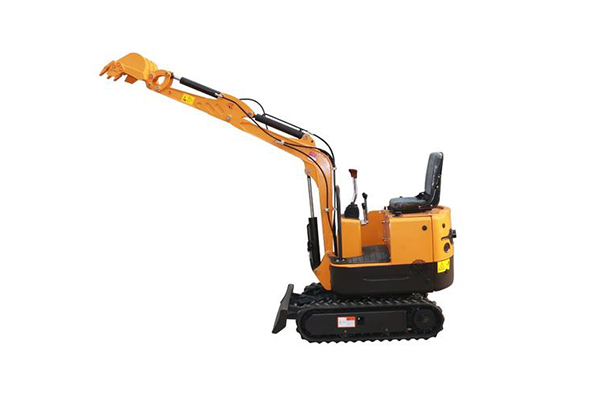
A mini excavator, also known as a compact excavator, is a small-sized excavating machine designed for digging, lifting, trenching, and material handling tasks. Typically weighing between 1 and 10 tons, mini excavators are built to operate in areas where larger machines cannot easily access.
Despite their smaller size, mini excavators provide excellent power, maneuverability, and versatility, especially when equipped with different attachments such as buckets, hydraulic breakers, augers, and grapples.
When Should You Use a Mini Excavator?
1. Working in Small or Confined Spaces
One of the biggest advantages of a mini excavator is its compact design. Construction sites often have limited working areas where full-sized excavators cannot operate effectively.
Mini excavators are ideal for:
- Residential construction sites
- Narrow streets and urban areas
- Backyard landscaping projects
- Indoor demolition work
- Areas with limited access
Their smaller footprint allows operators to complete excavation work without causing unnecessary damage to surrounding structures.
2. Digging Trenches for Utilities
Mini excavators are commonly used for trenching applications, including installing:
- Water pipes
- Drainage systems
- Electrical cables
- Gas lines
- Communication cables
Their precise digging capability makes them suitable for creating narrow and controlled trenches while reducing manual labor requirements.
3. Landscaping and Property Improvement Projects
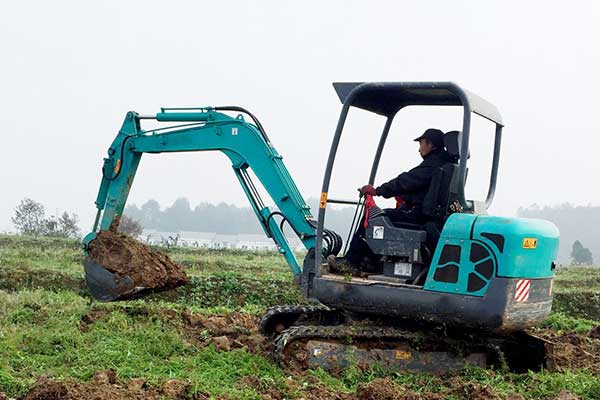
For landscaping contractors and property owners, a mini excavator is a valuable tool for many outdoor projects.
Common landscaping applications include:
- Removing tree stumps and roots
- Digging ponds
- Preparing garden areas
- Moving soil and gravel
- Creating retaining wall foundations
Compared with manual digging, mini excavators significantly reduce project time and improve accuracy.
4. Small-Scale Demolition Work
Mini excavators can handle various demolition tasks, especially when equipped with hydraulic attachments.
They are commonly used for:
- Breaking concrete slabs
- Removing small structures
- Demolishing walls
- Clearing construction debris
A hydraulic breaker attachment can transform a mini excavator into an efficient demolition machine for smaller jobs.
5. Road Maintenance and Repair Projects
Mini excavators are also useful in road maintenance applications. Their flexibility makes them suitable for:
- Repairing potholes
- Digging drainage ditches
- Removing damaged pavement
- Preparing road shoulders
- Installing roadside safety equipment
For contractors working on local roads or smaller infrastructure projects, a mini excavator can provide an efficient solution without requiring large machinery.
6. Agricultural and Farm Applications
Farmers often use mini excavators because they can perform multiple tasks while operating in tight spaces.
Typical agricultural uses include:
- Digging irrigation channels
- Cleaning ponds and ditches
- Removing rocks
- Building fences
- Maintaining farm roads
With the right attachment, a mini excavator can become a multi-purpose machine for daily farm operations.
Mini Excavator vs. Large Excavator: Which One Should You Choose?
Choosing between a mini excavator and a full-size excavator depends on the project requirements.
| Mini Excavator | Large Excavator |
|---|---|
| Best for small and medium projects | Best for large-scale construction |
| Works in confined spaces | Requires more working space |
| Lower fuel consumption | Higher operating costs |
| Easier transportation | Better digging depth and lifting capacity |
| Less ground disturbance | Designed for heavy-duty applications |
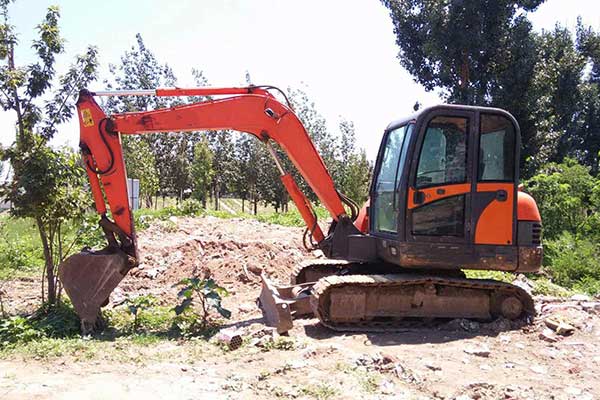
If your project involves limited space, moderate digging requirements, or frequent transportation between sites, a mini excavator is often the better option.
Benefits of Using a Mini Excavator
1. Improved Efficiency
Mini excavators complete digging and material handling tasks much faster than manual labor, helping contractors save time and increase productivity.
2. Lower Operating Costs
Compared with larger machines, mini excavators generally consume less fuel and require lower transportation costs, making them economical for smaller projects.
3. Easy Transportation
Many mini excavators can be transported using small trailers, allowing contractors to move equipment between job sites more easily.
4. Versatility with Attachments
One of the biggest advantages of mini excavators is their ability to use different attachments, including:
- Excavator buckets
- Hydraulic breakers
- Augers
- Rippers
- Grapples
- Hydraulic thumbs
This flexibility allows one machine to handle multiple types of work.
Conclusion
A mini excavator is an excellent choice for projects that require power, flexibility, and easy operation in limited spaces. From trenching and landscaping to road repair and small-scale demolition, mini excavators provide an efficient and cost-effective solution.