

How to Choose the Right HDPE Geomembrane for Your Project
When it comes to waterproofing, environmental protection, and containment applications, HDPE geomembrane is one of the most widely used solutions in the construction industry. Known for its excellent durability, chemical resistance, and low permeability, HDPE geomembrane is commonly used in landfills, mining projects, wastewater treatment plants, reservoirs, and many other engineering projects.
However, choosing the right HDPE geomembrane is not always simple. Different projects require different thicknesses, surface types, and material properties. Selecting the wrong product may lead to higher costs, installation problems, or reduced service life.
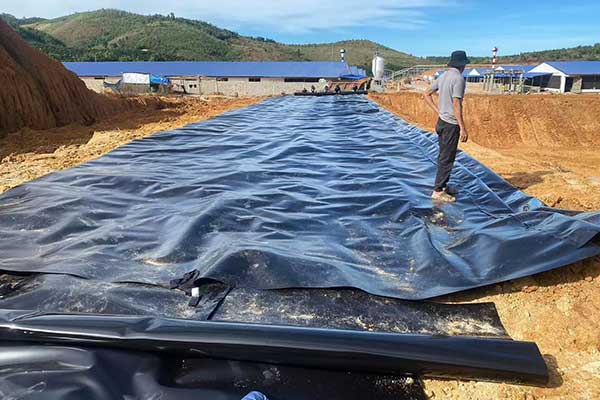
What is HDPE Geomembrane?
HDPE geomembrane (High-Density Polyethylene geomembrane) is a synthetic liner made from high-quality polyethylene resin. It is designed to provide a strong and impermeable barrier that prevents liquids or gases from passing through.
Unlike traditional waterproofing materials, HDPE geomembrane offers excellent resistance to UV radiation, corrosion, punctures, and environmental stress cracking. Its long service life makes it an ideal choice for projects that require reliable containment and protection.
Common applications include:
- Landfill liners and covers
- Mining heap leach pads
- Wastewater treatment ponds
- Aquaculture ponds
- Artificial lakes and reservoirs
- Oil and chemical storage areas
- Irrigation channels
- Construction waterproofing projects
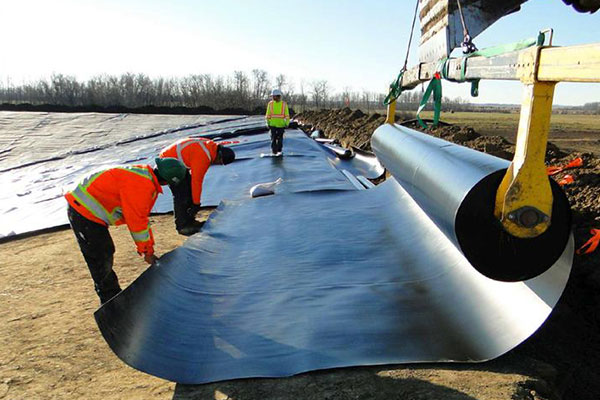
Factors to Consider When Choosing HDPE Geomembrane
1. Determine the Application Requirements
The first step is understanding where and how the geomembrane will be used. Different applications have different performance requirements.
For example:
- Landfills require high-strength geomembranes with excellent chemical resistance.
- Mining projects often need thicker liners to withstand harsh chemicals and heavy loads.
- Aquaculture ponds usually require safe, non-toxic materials suitable for aquatic environments.
- Water reservoirs need geomembranes with strong UV resistance and long-term durability.
Before selecting a product, consider factors such as soil conditions, exposure environment, liquid type, and expected service life.
2. Choose the Appropriate Thickness
HDPE geomembranes are available in different thicknesses, commonly ranging from 0.5 mm to 3.0 mm or more.
The right thickness depends on project conditions:
- 0.5–1.0 mm: Suitable for smaller projects with lower stress requirements, such as decorative ponds or simple waterproofing applications.
- 1.0–1.5 mm: Commonly used for reservoirs, wastewater ponds, and general engineering applications.
- 1.5–2.0 mm: Suitable for demanding projects such as landfills and mining applications.
- 2.0 mm or thicker: Recommended for heavy-duty applications requiring maximum durability and puncture resistance.
A thicker geomembrane generally provides better protection but may also increase material and installation costs. The best choice should balance performance and budget.
3. Consider Smooth or Textured Surface Types
HDPE geomembranes are available in smooth and textured surfaces.
Smooth HDPE Geomembrane
Smooth geomembranes have a flat surface and are commonly used where easy welding and installation are important.
Advantages include:
- Easy installation
- Strong welding performance
- Lower friction during placement
- Suitable for flat surfaces
Textured HDPE Geomembrane
Textured geomembranes provide better friction resistance, making them suitable for slopes and areas requiring additional stability.
Advantages include:
- Improved soil contact
- Better slope stability
- Reduced risk of sliding
For projects with steep slopes or uneven terrain, textured HDPE geomembrane is often the better option.
4. Check Material Quality and Performance Standards
High-quality HDPE geomembrane should meet international standards and undergo strict quality testing.
Important properties to check include:
- Tensile strength
- Tear resistance
- Puncture resistance
- Elongation at break
- Carbon black content
- Stress crack resistance
- UV resistance
A reliable geomembrane manufacturer should provide product testing reports and technical specifications to ensure consistent quality.
5. Evaluate Environmental Conditions
The surrounding environment plays an important role in selecting the right geomembrane.
Consider:
Temperature
HDPE geomembrane performs well in both high and low temperatures, but extreme conditions may require specific grades.
Chemical Exposure
If the liner will contact chemicals, industrial waste, or contaminated materials, choose a geomembrane with strong chemical resistance.
Weather Exposure
For outdoor applications, UV resistance is essential to prevent material aging caused by long-term sunlight exposure.
6. Select a Reliable HDPE Geomembrane Supplier
The quality of the geomembrane depends heavily on the manufacturer. A professional supplier should provide:
- High-quality raw materials
- Complete product specifications
- Quality inspection reports
- Technical support
- Customized solutions
Working with an experienced HDPE geomembrane supplier can help ensure that you receive the right product for your specific project needs.
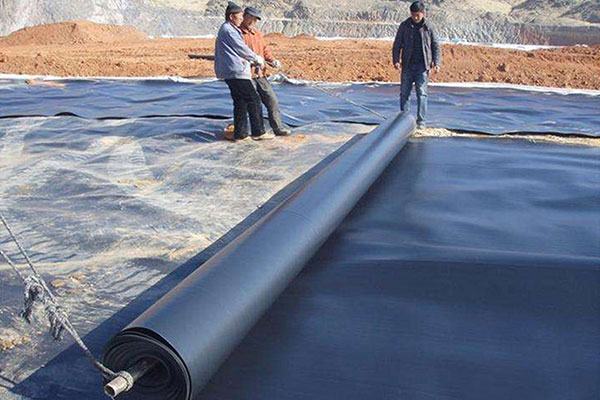
Common Mistakes to Avoid When Choosing HDPE Geomembrane
1. Choosing Based Only on Price
The cheapest option may not always be the most cost-effective. Low-quality materials may require repairs or replacement sooner, increasing long-term costs.
2. Ignoring Project Conditions
Selecting a geomembrane without considering soil, chemicals, climate, and loading conditions can result in poor performance.
3. Using the Wrong Thickness
An insufficient thickness may lead to punctures or damage, while excessive thickness may increase unnecessary costs.
Conclusion
Choosing the right HDPE geomembrane requires careful consideration of your project type, environmental conditions, thickness requirements, and material quality. A properly selected geomembrane can provide reliable waterproofing, prevent leakage, and extend the service life of your engineering project.
Looking for a reliable HDPE geomembrane supplier? Roadsky provides high-quality geomembrane solutions designed for various engineering and environmental protection applications. Contact us today to discuss your project requirements and get the right liner solution.