

Barbed Wire Fence: Everything You Need to Know
A barbed wire fence is one of the most economical and effective fencing solutions for securing property, controlling livestock, and protecting agricultural or industrial areas. Since its invention in the late 19th century, barbed wire has become an essential fencing material used worldwide due to its durability, affordability, and easy installation.
Whether you need to secure farmland, highways, ranches, warehouses, or construction sites, choosing the right barbed wire fence can significantly improve safety while reducing maintenance costs.
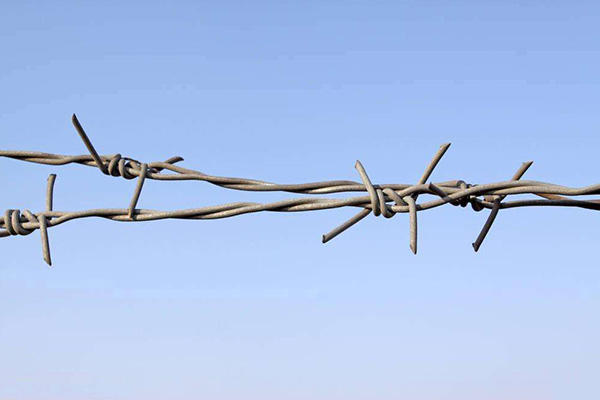
What is a Barbed Wire Fence?
A barbed wire fence consists of two high-tensile steel wires twisted together with sharp barbs placed at regular intervals. The barbs discourage people and animals from crossing the fence by creating a physical and psychological barrier.
Modern barbed wire is manufactured using galvanized or PVC-coated steel to improve corrosion resistance and extend service life.
Main Components of a Barbed Wire Fence
A complete fencing system generally includes:
- Barbed wire rolls
- Steel fence posts
- Wooden fence posts (optional)
- Corner posts
- Line posts
- Tension wire
- Fence staples or clips
- Strainers and tensioners
Together, these components create a strong and durable perimeter.
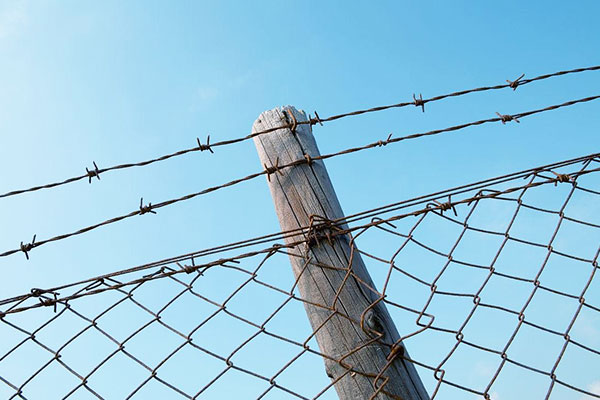
Types of Barbed Wire Fence
1. Single Twist Barbed Wire
Single twist barbed wire features one line wire wrapped around another.
Advantages:
- Lower manufacturing cost
- Lightweight
- Easy installation
- Suitable for temporary fencing
Applications include:
- Farms
- Gardens
- Temporary construction sites
2. Double Twist Barbed Wire
Double twist barbed wire has both line wires twisted together between each barb.
Benefits include:
- Greater tensile strength
- Better durability
- Longer service life
- Higher resistance to cutting
Recommended for:
- Livestock farms
- Highway fencing
- Industrial facilities
- Border protection
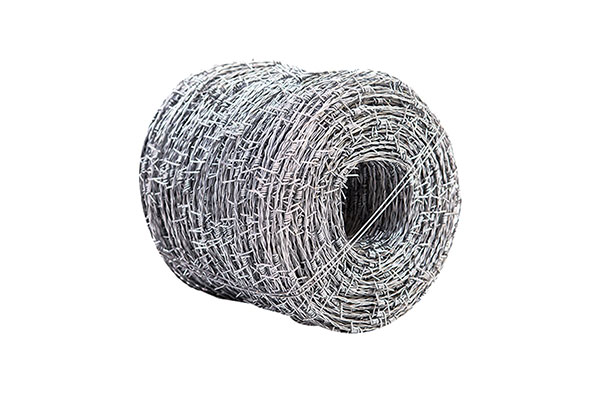
Barbed Wire Materials
1. Hot-Dip Galvanized Steel
The most popular material because it offers:
- Excellent corrosion resistance
- Long service life
- Low maintenance
- Cost-effectiveness
Suitable for outdoor environments with varying weather conditions.
2. Electro Galvanized Steel
Electro galvanized wire provides:
- Smooth surface
- Lower cost
- Suitable for dry environments
However, it has a thinner zinc coating than hot-dip galvanized wire.
3. PVC-Coated Barbed Wire
PVC-coated wire combines galvanized steel with a protective plastic layer.
Advantages include:
- Additional corrosion protection
- Attractive appearance
- Available in multiple colors
- Longer lifespan in coastal regions
Common Wire Specifications
Typical specifications include:
| Item | Common Options |
|---|---|
| Wire Diameter | 1.6 mm – 3.0 mm |
| Barb Distance | 75 mm – 150 mm |
| Roll Length | 100 m, 200 m, 250 m, 500 m |
| Zinc Coating | 40–300 g/m² |
| Tensile Strength | 350–700 MPa |
Custom specifications are also available for large projects.
Advantages of Barbed Wire Fence
- Cost-Effective: Barbed wire fencing requires less material than many alternative fencing systems, making it one of the most affordable perimeter security solutions.
- Easy Installation: Simple tools and fewer components allow for quick installation, reducing labor costs.
- Strong Security: Sharp barbs effectively deter unauthorized entry while keeping livestock safely enclosed.
- Long Service Life: Galvanized barbed wire can last 15–30 years under normal environmental conditions.
- Low Maintenance: Routine inspections and occasional tightening are generally sufficient to keep the fence in good condition.
- Versatile Applications: Barbed wire fences are suitable for both rural and industrial environments.
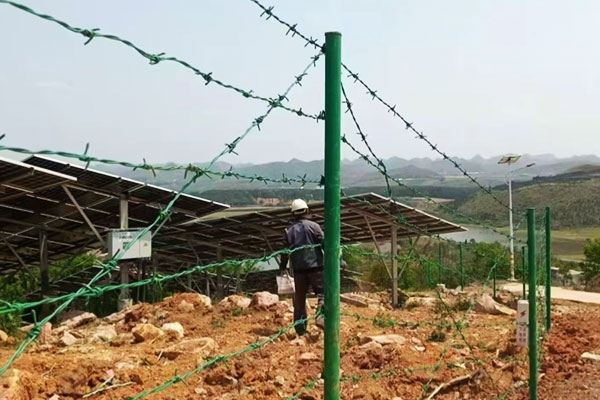
Applications of Barbed Wire Fence
1. Agricultural Fencing
Farmers use barbed wire to:
- Enclose cattle
- Protect crops
- Divide grazing areas
- Secure pasture land
2. Livestock Management
Ideal for containing:
- Cattle
- Horses
- Sheep
- Goats
3. Highway Protection
Governments install barbed wire fencing along roads to prevent animals from entering traffic lanes.
4. Industrial Security
Factories and warehouses use barbed wire fences to protect valuable equipment and restrict unauthorized access.
5. Construction Sites
Temporary perimeter fencing helps improve site security and reduce theft.
6. Military and Border Security
Heavy-duty barbed wire is commonly used in military facilities and border protection systems.
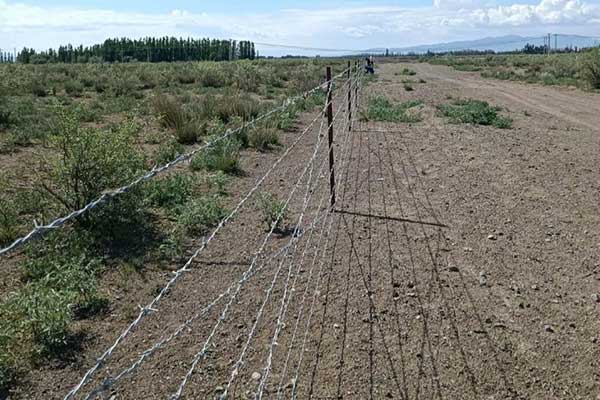
How to Install a Barbed Wire Fence
Step 1: Plan the Fence Layout
Determine:
- Boundary lines
- Corner locations
- Gate positions
- Post spacing
Step 2: Install Fence Posts
Typical spacing:
- 2–3 meters between line posts
Corner posts should be stronger and securely anchored.
Step 3: Stretch the Wire
Use a wire stretcher to apply proper tension without overstretching.
Step 4: Secure the Wire
Attach the wire to each post using clips, staples, or wire ties.
Step 5: Final Inspection
Check for:
- Proper tension
- Straight alignment
- Secure fasteners
- Stable corner posts
Maintenance Tips
To maximize the lifespan of your fence:
- Inspect regularly for broken wires
- Remove vegetation touching the fence
- Replace damaged posts promptly
- Tighten loose wire annually
- Repair rusted sections before corrosion spreads
Barbed Wire vs. Razor Wire
| Feature | Barbed Wire | Razor Wire |
|---|---|---|
| Cost | Lower | Higher |
| Security Level | Medium | Very High |
| Installation | Easy | More Complex |
| Common Use | Farms, ranches | High-security facilities |
| Maintenance | Low | Moderate |
Barbed wire is ideal for agricultural and general perimeter fencing, while razor wire is better suited for prisons, military installations, and other high-security sites.
How to Choose the Right Barbed Wire Fence
Consider the following factors before purchasing:
1. Security Requirements
Higher-security locations may require thicker wire or additional fencing systems.
2. Environmental Conditions
Coastal and humid environments benefit from heavy zinc coatings or PVC-coated wire.
3. Livestock Type
Larger animals require stronger wire and properly spaced fence posts.
4. Budget
Balance initial cost with expected service life to achieve the best long-term value.
5. Local Regulations
Always verify local fencing regulations before installation.
Conclusion
A barbed wire fence remains one of the most practical and cost-effective fencing solutions available for agricultural, commercial, industrial, and infrastructure applications. With multiple wire types, protective coatings, and installation options, it offers reliable perimeter security while requiring minimal maintenance.