

Difference Between Geomembrane and Geotextile
In construction, environmental protection, and civil engineering projects, geomembranes and geotextiles are two commonly used geosynthetic materials. Although they are often used together, they serve very different purposes. Choosing the right material is essential for improving project performance, controlling water flow, preventing soil damage, and extending service life.
This article explains the key differences between geomembrane and geotextile, including their functions, materials, applications, and how to choose the right solution for your project.
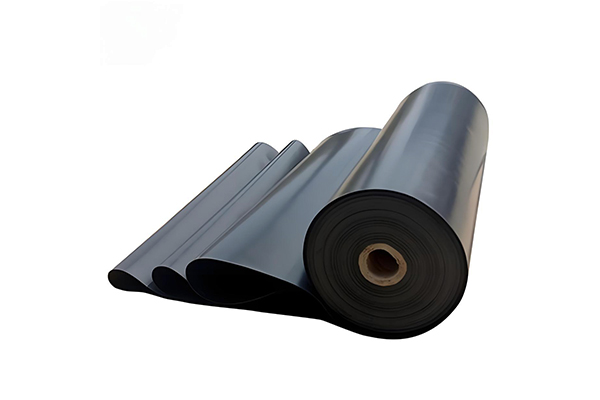
What is a Geomembrane?
A geomembrane is a synthetic waterproof liner designed to control the movement of liquids or gases. It is mainly used as a barrier layer in projects where preventing leakage is the primary goal.
Geomembranes are usually made from materials such as:
- HDPE (High-Density Polyethylene)
- LDPE (Low-Density Polyethylene)
- PVC (Polyvinyl Chloride)
- EPDM (Ethylene Propylene Diene Monomer)
Due to their excellent impermeability and chemical resistance, geomembranes are widely used in applications requiring reliable containment.
Common Applications of Geomembranes
- Landfill liners and covers
- Wastewater treatment ponds
- Artificial lakes and reservoirs
- Mining heap leach pads
- Oil and chemical containment areas
- Irrigation canals
- Aquaculture ponds
The main purpose of a geomembrane is to prevent liquids from passing through the soil, protecting groundwater and surrounding environments.
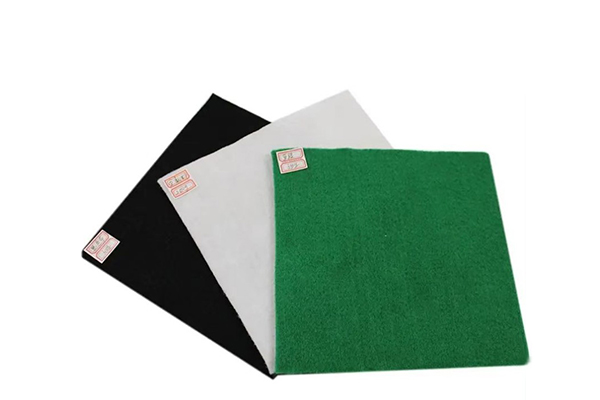
What is a Geotextile?
A geotextile is a permeable fabric made from synthetic fibers, mainly polypropylene or polyester. Unlike geomembranes, geotextiles allow water to pass through while providing reinforcement, filtration, and separation functions.
Geotextiles are available in two main types:
- Woven geotextiles – made by weaving fibers together, providing high strength and load-bearing capacity.
- Nonwoven geotextiles – made by bonding fibers together, offering excellent filtration and drainage performance.
Common Applications of Geotextiles
Geotextiles are widely used in:
- Road construction
- Railway projects
- Drainage systems
- Soil stabilization
- Erosion control
- Retaining walls
- Coastal protection
- Construction site reinforcement
The main purpose of a geotextile is to improve soil performance and provide separation, filtration, drainage, and reinforcement.
Key Differences Between Geomembrane and Geotextile
Although both materials are used in civil engineering projects, they have significant differences.
| Feature | Geomembrane | Geotextile |
|---|---|---|
| Main Function | Waterproofing and containment | Separation, filtration, drainage, reinforcement |
| Permeability | Nearly impermeable | Permeable |
| Material | HDPE, PVC, LDPE, EPDM | Polypropylene, polyester |
| Structure | Solid plastic sheet | Fiber-based fabric |
| Water Flow | Blocks water movement | Allows controlled water flow |
| Strength | High tensile and chemical resistance | High tensile strength and flexibility |
| Typical Use | Liquid containment | Soil improvement and stabilization |
Difference in Function
The biggest difference between geomembranes and geotextiles is their primary function.
A geomembrane acts as a waterproof barrier. It prevents water, chemicals, and other liquids from entering or leaving an area.
A geotextile improves soil conditions by separating different soil layers, filtering water, reinforcing weak soil, and preventing erosion.
For example:
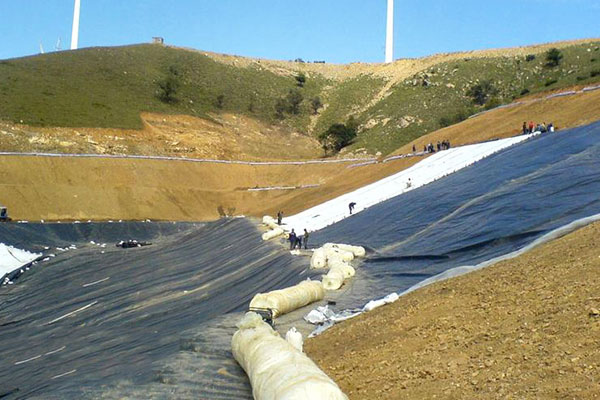
- In a landfill project, a geomembrane prevents harmful liquids from leaking into the ground.
- A geotextile layer above the geomembrane protects it from punctures and improves drainage.
Can Geomembranes and Geotextiles Be Used Together?
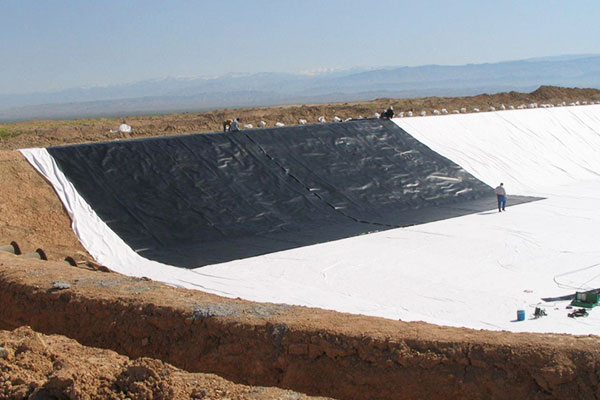
Yes. In many large-scale engineering projects, geomembranes and geotextiles are installed together because they provide complementary benefits.
A common combination includes:
- Geotextile protection layer: Protects the geomembrane from damage caused by rocks or sharp objects. Provides drainage and filtration.
- Geomembrane waterproof layer: Creates a strong barrier against water and chemicals.
This combination is widely used in landfills, reservoirs, mining projects, and wastewater treatment facilities.
Which One Should You Choose: Geomembrane or Geotextile?
The choice depends on your project requirements.
Choose a geomembrane if you need:
- Waterproof protection
- Liquid containment
- Chemical resistance
- Leakage prevention
Choose a geotextile if you need:
- Soil stabilization
- Drainage improvement
- Layer separation
- Erosion protection
In some projects, using both materials together provides the best performance and long-term durability.
Conclusion
Geomembranes and geotextiles are both important geosynthetic materials, but they serve different purposes. A geomembrane is mainly used for waterproofing and containment, while a geotextile is designed for reinforcement, filtration, drainage, and soil separation.
Understanding the difference between geomembrane and geotextile helps engineers, contractors, and project owners select the right material for their applications. With proper selection and installation, these materials can significantly improve the durability, safety, and efficiency of construction and environmental projects.