

Steel Sheet Pile: Types and Applications
Steel sheet piles are widely used in modern construction, civil engineering, and infrastructure projects due to their excellent strength, durability, and ability to provide effective earth and water retention. From marine structures and flood protection systems to deep foundations and temporary excavation support, steel sheet piles offer a reliable solution for challenging construction environments.
What is a Steel Sheet Pile?
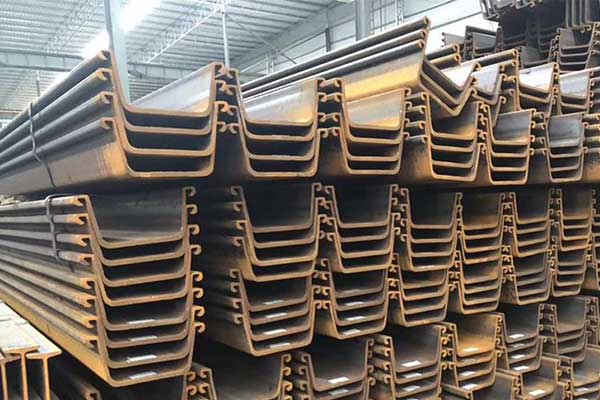
A steel sheet pile is a long structural steel section with interlocking edges that are driven into the ground to form a continuous retaining wall. The interlocking design creates a strong barrier that can resist lateral soil pressure, control groundwater movement, and provide structural support.
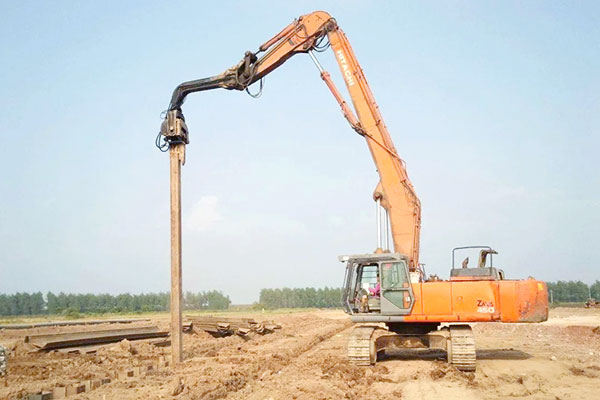
Manufactured from high-strength steel, sheet piles can be installed using vibration hammers, impact hammers, or hydraulic pressing equipment. They are commonly used in projects where traditional concrete walls are difficult, expensive, or time-consuming to construct.
Main Types of Steel Sheet Piles
Steel sheet piles are available in different shapes and designs to meet various engineering requirements. The most common types include:
1. U-Type Steel Sheet Pile
U-type steel sheet piles are among the most widely used designs in construction. Their cross-section resembles the letter “U,” providing good bending strength and efficient load distribution.
Features:
- High bending resistance
- Easy transportation and installation
- Strong interlocking performance
- Suitable for both temporary and permanent structures
Applications:
- Retaining walls
- Riverbank protection
- Excavation support
- Bridge foundation projects
- Port and marine construction
U-type sheet piles are popular because they provide a good balance between performance, cost, and installation efficiency.
2. Z-Type Steel Sheet Pile
Z-type steel sheet piles feature a zigzag-shaped profile, allowing the material to be distributed farther away from the neutral axis. This design provides higher bending stiffness compared with many traditional sheet pile profiles.
Features:
- Excellent strength-to-weight ratio
- High resistance to bending forces
- Reduced steel consumption for large projects
- Suitable for deep retaining structures
Applications:
- Large retaining walls
- Highway and railway projects
- Deep excavation pits
- Flood protection systems
- Heavy-duty marine structures
Z-type sheet piles are commonly selected for projects requiring high structural performance and long service life.
3. Straight Web Steel Sheet Pile
Straight web sheet piles have a flat profile and are mainly designed for applications where the piles work together to form cellular structures.
Features:
- Strong interlocking connections
- Suitable for circular or cellular construction
- High tensile strength
Applications:
- Cellular cofferdams
- Breakwaters
- Harbor structures
- Offshore construction
Unlike U-type and Z-type piles that mainly resist bending, straight web piles are often used where tensile forces are important.
4. Cold-Formed Steel Sheet Pile
Cold-formed steel sheet piles are manufactured by rolling steel sheets at room temperature. They are generally lighter and more economical for certain applications.
Features:
- Lightweight design
- Lower production cost
- Flexible profile options
- Easy handling and transportation
Applications:
- Small retaining walls
- Landscaping projects
- Temporary construction barriers
- Light-duty foundation support
Cold-formed sheet piles are a practical choice for projects with moderate load requirements.
5. Hot-Rolled Steel Sheet Pile
Hot-rolled steel sheet piles are produced at high temperatures, creating strong and durable sections with reliable interlocking connections.
Features:
- High structural strength
- Excellent durability
- Tight interlocks
- Suitable for permanent structures
Applications:
- Ports and docks
- Large retaining walls
- Flood defense projects
- Industrial foundations
Hot-rolled sheet piles are preferred for demanding projects requiring long-term performance.
Common Applications of Steel Sheet Piles
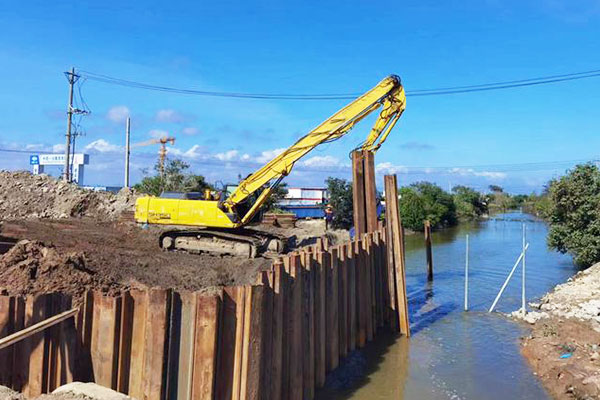
Steel sheet piles are used across many industries because of their versatility and strength.
1. Retaining Walls
One of the most common uses of steel sheet piles is constructing retaining walls. They help prevent soil movement and provide stable support for slopes, roads, and buildings.
Typical applications include:
- Road embankments
- Railway foundations
- Basement construction
- Slope stabilization
Steel sheet pile retaining walls can be installed quickly and require less space compared with traditional concrete retaining structures.
2. Marine and Waterfront Construction
Steel sheet piles are widely used in marine environments because they can withstand water pressure and harsh conditions.
Applications include:
- Quay walls
- Piers
- Harbors
- Seawalls
- Riverbank protection
With proper coatings or corrosion protection systems, steel sheet piles can provide decades of service in marine environments.
3. Flood Protection and Water Control
Steel sheet piles are an effective solution for controlling water flow and protecting areas from flooding.
They are commonly used for:
- Flood barriers
- River embankments
- Canal reinforcement
- Water retaining structures
Their interlocking design creates a continuous barrier that reduces water penetration.
4. Excavation Support
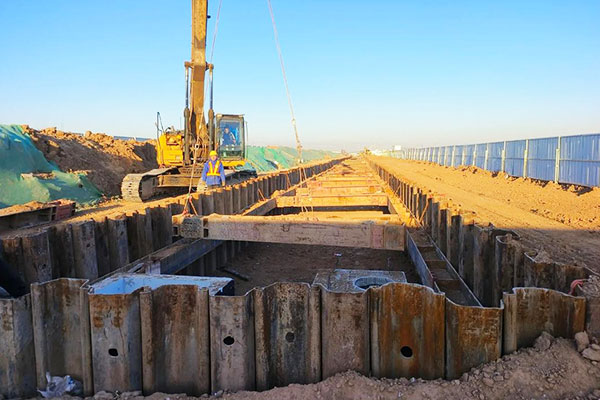
During construction projects, deep excavations require temporary or permanent support to prevent soil collapse.
Steel sheet piles are often used for:
- Underground parking structures
- Metro stations
- Pipeline installation
- Building foundations
They provide fast installation and can often be removed and reused for temporary projects.
5. Bridge and Infrastructure Projects
Large infrastructure projects often require strong foundation support. Steel sheet piles help create stable construction environments for:
- Bridge piers
- Highway expansions
- Railway projects
- Tunnel construction
Their high load-bearing capacity makes them suitable for complex engineering conditions.
6. Cofferdams
A cofferdam is a temporary structure that creates a dry working area in water environments. Steel sheet piles are commonly used to build cofferdams for construction below water level.
Applications include:
- Bridge foundation construction
- Dam repairs
- Marine engineering projects
- Underwater excavation
Advantages of Steel Sheet Piles
Steel sheet piles offer several benefits compared with other retaining solutions:
Fast Installation
Steel sheet piles can be installed quickly using specialized equipment, reducing construction time.
High Strength
The strong steel structure provides excellent resistance against soil pressure and water forces.
Space Efficiency
Sheet pile walls require less working space compared with traditional concrete retaining walls.
Reusability
Temporary sheet piles can often be extracted and reused, reducing project costs.
Environmental Adaptability
Steel sheet piles can be used in soil, river, coastal, and industrial environments.
Long Service Life
With proper corrosion protection, steel sheet piles can provide reliable performance for many years.
Factors to Consider When Choosing Steel Sheet Piles
Selecting the right steel sheet pile depends on several project conditions:
Soil Conditions
Different soil types require different pile strengths and installation methods.
Load Requirements
Projects with high lateral pressure may require stronger Z-type or heavy-duty sheet piles.
Environmental Conditions
Marine environments may require additional corrosion protection.
Installation Method
The available equipment and site conditions influence the suitable sheet pile type.
Project Duration
Temporary projects may prioritize cost efficiency, while permanent structures require maximum durability.
Conclusion
Steel sheet piles are an essential material in modern construction, providing strong and efficient solutions for soil retention, water control, and foundation support. The main types, including U-type, Z-type, straight web, cold-formed, and hot-rolled steel sheet piles, each offer unique advantages for different engineering applications.