

Steel Sheet Pile: Everything You Need to Know
Steel sheet piles are widely used in civil engineering, marine construction, flood protection, and foundation projects. Their high strength, durability, and reusability make them one of the most cost-effective retaining wall solutions available today.
Whether you are constructing a port, bridge, basement, or riverbank protection system, selecting the right steel sheet pile is essential for ensuring structural stability and project safety.
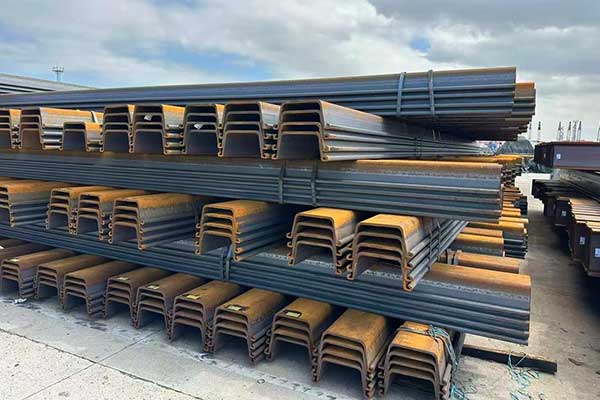
What is a Steel Sheet Pile?
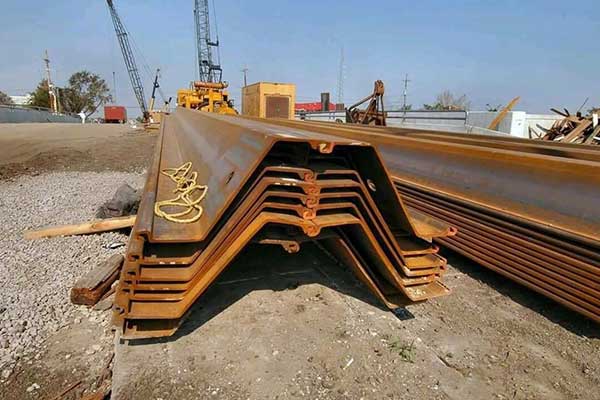
A steel sheet pile is a long structural steel section with interlocking edges that enable adjacent piles to connect tightly, forming a continuous wall. Steel sheet piles are driven into the ground using hydraulic vibratory hammers or impact hammers to create temporary or permanent retaining structures.
Because of their excellent load-bearing capacity and water-tight interlocks, steel sheet piles are commonly used for:
- Earth retention
- Excavation support
- Waterfront structures
- Flood control
- Foundation reinforcement
- Cofferdams
Types of Steel Sheet Piles
Several types of steel sheet piles are available to suit different engineering requirements.
1. U-Type Steel Sheet Pile
U-type sheet piles feature a symmetrical cross-section with interlocks located on both sides.
Advantages:
- Excellent section modulus
- High bending resistance
- Suitable for deep excavations
- Easy installation
2. Z-Type Steel Sheet Pile
Z-type sheet piles have interlocks positioned away from the neutral axis, providing higher structural efficiency.
Benefits include:
- Greater bending strength
- Reduced steel consumption
- Longer service life
- Cost savings on large projects
3. Straight Web Sheet Pile
Straight web sheet piles primarily resist tensile forces and are often used for circular cofferdams.
Applications include:
- Circular retaining structures
- Deep foundation work
- Offshore engineering
4. Cold-Formed Steel Sheet Pile
Cold-formed sheet piles are manufactured by bending steel plates at room temperature.
Advantages:
- Lower production cost
- Lightweight
- Suitable for light-duty projects
5. Hot-Rolled Steel Sheet Pile
Hot-rolled sheet piles are manufactured through high-temperature rolling.
Advantages include:
- Superior strength
- Better interlock performance
- High durability
- Excellent water tightness
These are preferred for demanding infrastructure projects.
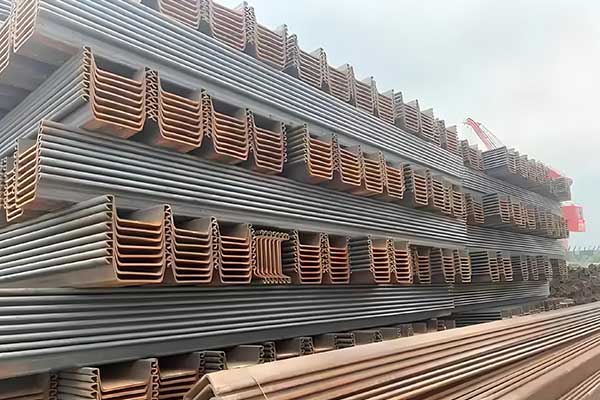
Common Steel Grades
Steel sheet piles are available in various grades, including:
- ASTM A572
- ASTM A690
- ASTM A328
- EN S355GP
- JIS SY295
- JIS SY390
The appropriate grade depends on:
- Soil conditions
- Corrosion environment
- Structural requirements
- Design life
Advantages of Steel Sheet Piles
Steel sheet piles have become the preferred retaining solution because they offer numerous engineering benefits.
- High Structural Strength: Steel provides exceptional resistance to bending and lateral earth pressure, making sheet piles suitable for deep excavations.
- Excellent Water Tightness: Interlocking joints minimize water seepage, making them ideal for marine and hydraulic engineering.
- Fast Installation: Modern hydraulic vibratory hammers allow rapid installation, reducing construction time significantly.
- Reusable and Sustainable: Steel sheet piles can often be extracted and reused multiple times, reducing project costs and environmental impact.
- Long Service Life: With proper corrosion protection, steel sheet piles can last several decades even in harsh environments.
- Cost-Effective: Although initial material costs may be higher than some alternatives, their durability, reusability, and quick installation often result in lower overall project costs.
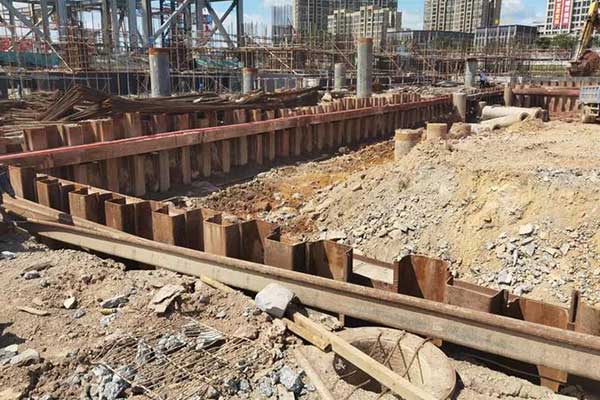
Applications of Steel Sheet Piles
Steel sheet piles are widely used across various industries.
1. Marine Construction
- Seawalls
- Ports
- Harbors
- Dock walls
- Quay walls
2. Foundation Engineering
- Deep excavations
- Basement support
- Underground parking
- Building foundations
3. Water Conservancy Projects
- Flood barriers
- River training
- Canal reinforcement
- Dam construction
4. Infrastructure Projects
- Highway construction
- Railway foundations
- Bridge abutments
- Utility trenches
5. Temporary Construction
- Cofferdams
- Excavation support
- Construction site retaining walls
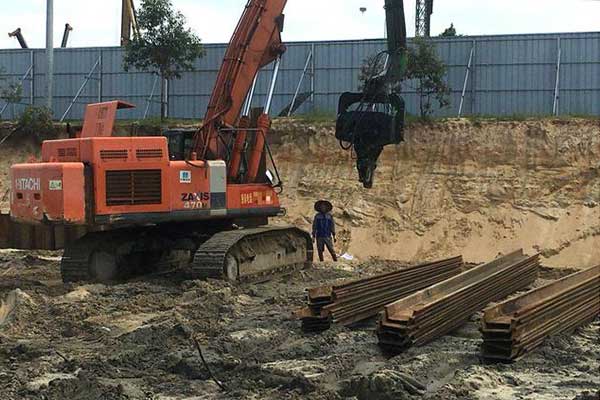
Installation Methods
Several installation methods are available depending on site conditions.
1. Vibratory Hammer
- Fast installation
- Low noise
- Suitable for most soil conditions
2. Impact Hammer
- Effective in dense soils
- Greater penetration capability
3. Hydraulic Press-In Method
- Minimal vibration
- Ideal for urban environments
- Reduced disturbance to nearby buildings
Corrosion Protection
Steel sheet piles may be protected through:
- Hot-dip galvanizing
- Epoxy coatings
- Coal tar epoxy
- Cathodic protection
- Increased steel thickness for corrosion allowance
Proper protection greatly extends service life.
How to Choose the Right Steel Sheet Pile
Consider the following factors:
- Soil Conditions: Different soils require different pile profiles and strengths.
- Retaining Height: Higher retaining walls require stronger section modulus.
- Water Pressure: Marine environments often require hot-rolled piles with superior interlocks.
- Design Life: Permanent structures require higher corrosion resistance than temporary works.
- Budget: Balance material costs with long-term maintenance and service life.
Why Choose Our Steel Sheet Piles?
As a professional steel sheet pile supplier, we provide high-quality piling solutions for contractors, distributors, and infrastructure developers worldwide.
Our advantages include:
- Premium-grade steel materials
- Complete range of U and Z profiles
- Custom lengths and specifications
- Strict quality inspection
- Fast production and delivery
- Competitive factory pricing
- Worldwide shipping
- Professional technical support
Whether your project involves deep excavation, marine engineering, flood control, or retaining walls, we can provide reliable steel sheet piling solutions tailored to your requirements.
Frequently Asked Questions
Depending on environmental conditions and corrosion protection, steel sheet piles typically last between 30 and 100 years.
Yes. One of their biggest advantages is that they can be extracted and reused multiple times for temporary projects.
Hot rolled sheet piles offer higher strength, better interlock performance, and longer service life, while cold formed sheet piles are more economical for temporary applications.
U-type sheet piles are symmetrical and easy to install, making them suitable for general construction projects. Z-type sheet piles offer a higher section modulus and greater bending resistance, making them ideal for deep excavations and large marine structures.
Steel sheet piles are available in various standard lengths, typically ranging from 6 to 24 meters. Custom lengths can also be manufactured to meet specific project requirements.
Conclusion
Steel sheet pile is a strong, versatile, and cost-effective solution for earth retention, water control, and foundation support. Its durability, quick installation, reusability, and adaptability make it suitable for a wide range of civil engineering, marine, and infrastructure projects.
If you’re looking for high-quality steel sheet piles at competitive factory prices, contact our team today for expert consultation and customized solutions tailored to your project requirements.