

Say Goodbye To Cracks In Your Asphalt Driveway
A cracked asphalt driveway is more than just an eyesore. Small cracks can quickly turn into potholes, water damage, and costly repairs if left untreated. Whether you are a homeowner, property manager, or contractor, maintaining your asphalt driveway is essential for safety, appearance, and long-term durability.
In this guide, we will explain the common causes of asphalt driveway cracks, how to prevent them, and the best repair solutions to keep your driveway looking smooth and professional for years.
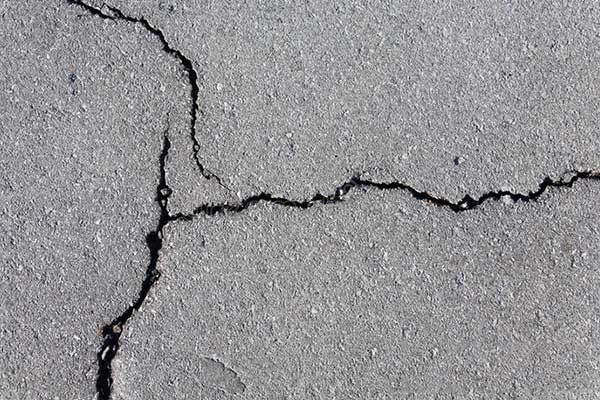
Why Do Asphalt Driveways Crack?
Asphalt is a durable paving material, but it is constantly exposed to weather, traffic, and environmental stress. Over time, these factors weaken the surface and create cracks.
1. Water Damage
Water is one of the biggest enemies of asphalt. Rainwater can seep into tiny openings, weaken the base layer, and expand during temperature changes. This eventually causes cracks and potholes.
2. UV Exposure
Constant sunlight dries out asphalt and reduces its flexibility. As the surface becomes brittle, cracks begin to appear.
3. Heavy Vehicle Loads
Parking heavy trucks or equipment on the driveway places excessive pressure on the asphalt surface and foundation.
4. Poor Installation
An improperly prepared base or low-quality asphalt mix can lead to premature cracking.
5. Freeze-Thaw Cycles
In colder climates, water freezes and expands inside small cracks, making them larger over time.
Types of Asphalt Driveway Cracks
Understanding the type of crack helps determine the correct repair method.
- Hairline Cracks: Small surface cracks that are usually caused by aging and weather exposure.
- Edge Cracks: Cracks that develop along the edges of the driveway due to poor drainage or weak support.
- Alligator Cracks: A pattern of interconnected cracks resembling alligator skin. This often indicates structural failure beneath the asphalt.
- Longitudinal Cracks: Cracks that run parallel to the driveway, often caused by poor joint construction or asphalt shrinkage.
How To Prevent Cracks In Asphalt Driveways
Preventive maintenance is the most cost-effective way to extend the life of your asphalt driveway.
Sealcoating
Sealcoating protects asphalt from water, sunlight, chemicals, and oxidation. Applying a sealcoat every 2–3 years helps maintain flexibility and appearance.
Ensure Proper Drainage
Standing water weakens asphalt quickly. Make sure your driveway has proper slope and drainage systems to prevent water accumulation.
Avoid Heavy Loads
Limit the use of heavy vehicles or machinery on residential driveways whenever possible.
Repair Small Cracks Early
Small cracks are easier and cheaper to repair before they become major structural issues.
Keep The Surface Clean
Remove dirt, oil, leaves, and debris regularly to reduce surface deterioration.
Best Methods To Repair Asphalt Driveway Cracks
The right repair method depends on the severity of the damage.
- Crack Filling: For small to medium cracks, crack fillers or hot rubberized sealants can prevent water infiltration and further expansion.
- Asphalt Patching: Damaged sections are removed and replaced with new asphalt material. This method is suitable for localized damage.
- Resurfacing: If the driveway has widespread surface cracking but a stable foundation, resurfacing adds a new asphalt layer over the existing pavement.
- Full Replacement: For severe alligator cracking or foundation failure, complete driveway replacement may be necessary.
Benefits Of Maintaining Your Asphalt Driveway
Regular maintenance offers several advantages:
- Improves curb appeal
- Extends driveway lifespan
- Prevents expensive repairs
- Enhances safety
- Increases property value
A well-maintained asphalt driveway can last 20 years or more with proper care.
Signs Your Driveway Needs Immediate Attention
Do not ignore these warning signs:
- Large or widening cracks
- Standing water
- Loose gravel or crumbling edges
- Multiple potholes
- Uneven or sinking areas
Addressing problems early can save significant repair costs later.
Professional Asphalt Repair Vs DIY
DIY crack repair products are suitable for small surface cracks. However, larger structural issues often require professional equipment and expertise.
Professional contractors can:
- Properly assess the damage
- Use commercial-grade materials
- Ensure long-lasting repairs
- Improve drainage and foundation stability
For extensive damage, professional repair is usually the better long-term investment.
Final Thoughts
Cracks in your asphalt driveway may seem minor at first, but they can quickly develop into serious pavement problems. Regular inspections, proper maintenance, and timely repairs are the keys to preserving a smooth and durable driveway.
By taking preventive measures and addressing cracks early, you can protect your investment, improve your property’s appearance, and avoid costly future repairs.