

Advantages and Disadvantages of Mini Excavators
Mini excavators have become a staple in construction, landscaping, and various other industries due to their versatility and compact design. These machines offer unique advantages for tasks that require precision and maneuverability in tight spaces. However, like any machinery, mini excavators also have their drawbacks.
What is a Mini Excavator?
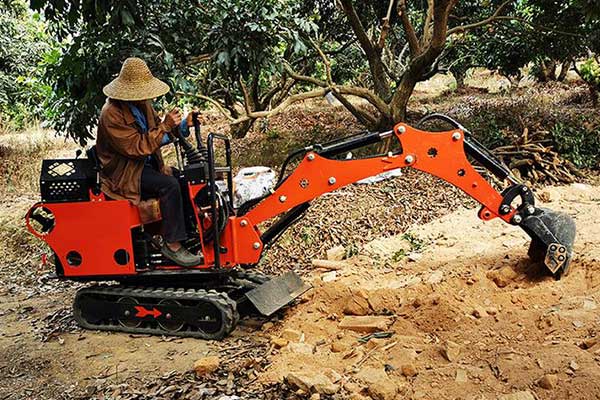
A mini excavator, also known as a compact excavator, is a small version of a standard excavator. Despite their size, mini excavators are capable of handling a variety of tasks, including trenching, grading, demolition, and material handling.
Advantages of Mini Excavators
1. Compact Size and Maneuverability
Mini excavators excel in tight spaces where larger machines cannot operate. Whether you are working in a residential backyard, narrow urban streets, or confined construction sites, the compact size of these machines allows them to maneuver easily and access difficult-to-reach areas.
2. Cost-Effective
Mini excavators are generally more affordable to purchase or rent compared to full-sized excavators. They have lower operating costs as well, with reduced fuel consumption and less wear on machinery. This makes them an ideal choice for small projects or for businesses with a limited budget.
3. Versatility and Attachments
Mini excavators can be equipped with a variety of attachments, making them incredibly versatile. Popular attachments include augers, breakers, buckets, and grapples, allowing the operator to tackle tasks ranging from digging and trenching to demolition and material handling. This adaptability makes mini excavators a valuable asset for multiple job types.
4. Ease of Operation
Despite their size, mini excavators are relatively easy to operate. The controls are intuitive, and many models come with user-friendly features like adjustable joysticks and simplified functions. Additionally, their smaller size provides a higher level of precision, which is crucial when working in small or delicate environments.
5. Reduced Ground Disturbance
Mini excavators are lighter than full-sized excavators, which means they exert less pressure on the ground. This results in minimal damage to lawns, driveways, and other surfaces. Their low ground pressure also reduces the risk of causing ruts or other long-term damage to the work site, making them an excellent choice for landscaping projects.
6. Transportability
Due to their compact design, mini excavators are easier to transport from one location to another. They can typically be loaded onto a standard flatbed trailer, reducing transportation costs compared to larger excavators that require specialized hauling equipment.
Disadvantages of Mini Excavators
1. Limited Power and Digging Depth
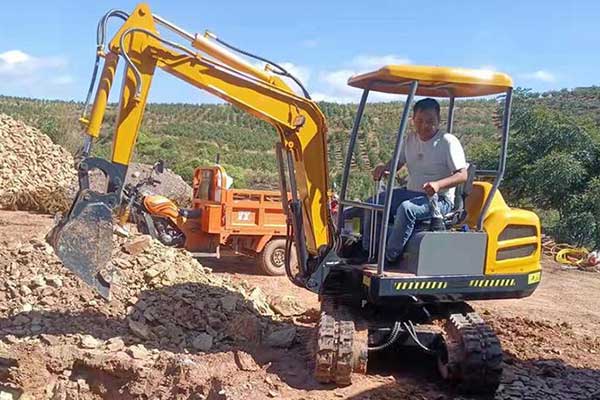
While mini excavators are incredibly versatile, they have limitations when it comes to digging depth and lifting capacity. They are best suited for small to medium-sized projects. If your project requires deep excavation or the ability to lift heavy materials, you may need to consider a larger machine.
2. Smaller Bucket Capacity
Mini excavators come with smaller buckets than their larger counterparts, which means they can move less material at a time. This can slow down progress on large-scale jobs or require more frequent dumping, reducing overall efficiency.
3. Stability Issues
Although mini excavators are designed to be stable, their lighter weight can make them more susceptible to tipping, especially when lifting heavy loads or working on uneven terrain. Operators need to be cautious when using these machines for tasks that involve heavy lifting or working on slopes.
4. Not Ideal for Heavy-Duty Work
For large-scale, heavy-duty work such as massive excavation, road construction, or large demolition projects, a mini excavator might not have the necessary power or capability. Larger machines are designed to handle more significant loads, depths, and power requirements, making them more appropriate for high-demand tasks.
5. Limited Lift Capacity
Mini excavators are equipped with smaller lifting arms, limiting their lifting capacity compared to full-sized models. While they can lift materials such as small rocks or dirt, they may struggle with heavy or bulky items, requiring additional machinery for those tasks.
When Should You Use a Mini Excavator?
Mini excavators are ideal for projects that require precision in tight spaces, minimal ground disturbance, and versatility in attachments. Common uses for mini excavators include:
- Landscaping: Digging small trenches, planting trees, or clearing brush.
- Residential Projects: Excavation work for pools, foundations, or utility installation.
- Utility Maintenance: Repairing or replacing underground utilities like water pipes and cables.
- Demolition: Removing small structures or debris.
Conclusion
Mini excavators offer an excellent balance of affordability, versatility, and convenience. They are perfect for small contractors, landscapers, and utility work. However, their limited power and capacity mean they are not suitable for every job.