

Different Types of Plate Compactors
Plate compactors are essential machines in construction, landscaping, and roadwork. They use vibration and weight to compress soil, gravel, asphalt, and other materials to create a stable and durable surface. Choosing the correct type of plate compactor can significantly improve work efficiency and compaction quality.
What is a Plate Compactor?
A plate compactor, also called a vibratory plate compactor, is a construction machine designed to compact soil and aggregate materials. It uses a heavy steel plate combined with vibration to eliminate air pockets and increase soil density.
Plate compactors are widely used for:
- Road and highway construction
- Trench backfilling
- Landscaping and paving projects
- Sidewalk and driveway installation
- Foundation preparation
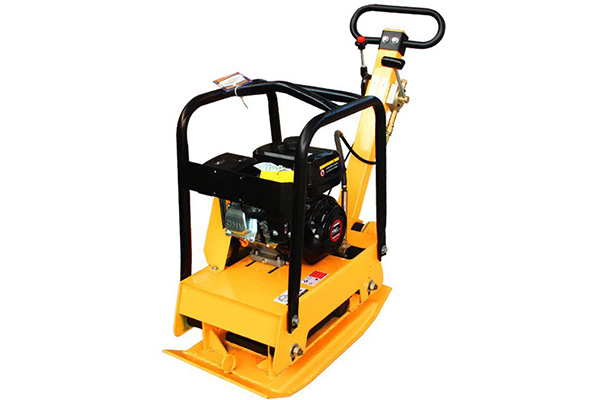
Main Types of Plate Compactors
Plate compactors can be categorized based on their movement direction, power source, and size. Below are the most common types used in construction.
1. Forward Plate Compactor
A forward plate compactor moves in a single direction—forward.
Features
- Lightweight and easy to operate
- Simple mechanical structure
- Lower cost compared to reversible models
- Ideal for small to medium projects
Best Applications
- Sidewalk construction
- Landscaping projects
- Driveways and patios
- Paver installation
Forward plate compactors typically weigh between 60–120 kg and are suitable for compacting sand, gravel, and asphalt.
2. Reversible Plate Compactor
A reversible plate compactor can move both forward and backward, giving the operator better control and higher productivity.
Features
- Bidirectional movement
- Greater compaction force
- Suitable for thicker material layers
- More efficient for larger areas
Best Applications
- Road construction
- Parking lots
- Industrial foundation work
- Large trench compaction
These machines usually weigh 120–500 kg and provide significantly higher compaction force compared to forward compactors.
3. Hydraulic Reversible Plate Compactor
This is an advanced type of reversible plate compactor that uses hydraulic control systems for smoother operation.
Features
- Hydraulic directional control
- Strong compaction force
- Smooth and precise operation
- Reduced operator fatigue
Best Applications
- Large construction sites
- Heavy-duty soil compaction
- Infrastructure and road projects
Hydraulic plate compactors are often preferred for professional contractors and large-scale projects.
4. Diesel Plate Compactor
Plate compactors can also be classified by engine type, with diesel models being common in heavy construction environments.
Features
- High torque and durability
- Lower fuel consumption for long operation
- Suitable for heavy-duty work
Best Applications
- Road construction
- Bridge projects
- Remote construction sites
Diesel plate compactors are ideal for continuous, large-scale compaction tasks.
5. Gasoline Plate Compactor
Gasoline-powered compactors are among the most widely used models.
Features
- Easy starting
- Lightweight design
- Portable and versatile
- Lower upfront cost
Best Applications
- Landscaping
- Residential projects
- Small construction sites
Gasoline compactors are typically equipped with engines from brands like Honda or Loncin.
6. Electric Plate Compactor
Electric compactors use electric motors instead of combustion engines.
Features
- Low noise operation
- Zero emissions
- Suitable for indoor use
- Minimal maintenance
Best Applications
- Indoor construction
- Tunnels and enclosed spaces
- Urban projects with strict emission regulations
Electric plate compactors are increasingly used in environmentally sensitive areas.
7. High-Frequency Plate Compactor
A high-frequency plate compactor uses higher vibration frequency to achieve efficient compaction.
Features
- Faster compaction speed
- Reduced surface damage
- Ideal for interlocking pavers
Best Applications
- Brick and block paving
- Decorative stone surfaces
- Landscape construction
These machines often include polyurethane pads to protect paving stones.
How to Choose the Right Plate Compactor
Selecting the correct plate compactor depends on several key factors:
1. Material Type
Different materials require different compaction forces.
| Material | Recommended Compactor |
|---|---|
| Sand | Forward plate compactor |
| Gravel | Forward or reversible |
| Clay | Heavy reversible compactor |
| Asphalt | Forward compactor |
2. Project Size
- Small projects: Forward plate compactor
- Medium projects: Medium reversible compactor
- Large construction sites: Heavy hydraulic reversible compactor
3. Compaction Depth
Higher compaction force and heavier machines allow deeper compaction layers.
Advantages of Using Plate Compactors
Plate compactors offer several benefits for construction and roadwork:
- Improve soil stability
- Prevent settlement and cracking
- Increase load-bearing capacity
- Speed up construction efficiency
- Reduce long-term maintenance costs
Proper compaction ensures long-lasting pavements, foundations, and road structures.
Conclusion
Plate compactors are vital machines for achieving strong and stable ground surfaces in construction projects. The main types include:
- Forward plate compactors
- Reversible plate compactors
- Hydraulic reversible compactors
- Diesel compactors
- Gasoline compactors
- Electric compactors
- High-frequency compactors
Each type is designed for specific applications, from small landscaping jobs to large infrastructure projects. By selecting the right compactor based on project size, soil type, and compaction depth, contractors can significantly improve construction quality and efficiency.