

Hot-Rolled vs. Cold-Formed Steel Sheet Pile: Differences
Steel sheet piles are essential in deep foundation engineering, cofferdams, retaining walls, and marine construction. When choosing the right sheet pile for a project, one of the most important decisions is selecting hot-rolled or cold-formed sheet piles.
Both types offer excellent strength and interlocking capabilities, but they differ in manufacturing processes, geometry, performance, and cost. This guide explains the differences, advantages, and best-use cases to help you make an informed decision.
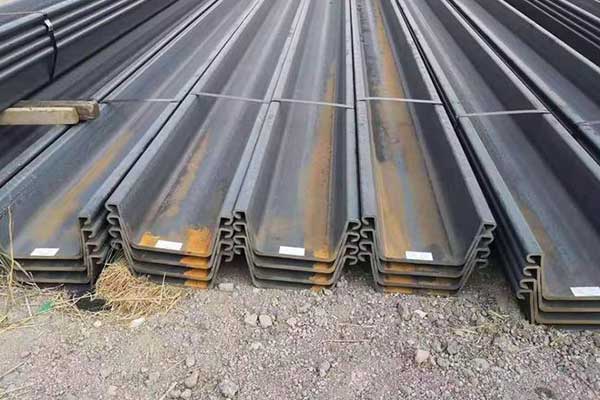
What is Hot-Rolled Steel Sheet Pile?
Hot-rolled sheet piles are produced by heating steel above its recrystallization temperature and forming it through rollers into the desired profile. Common profiles include U-type, Z-type, and Omega-type.
Key Features
- Strong and more ductile due to hot-forming
- Tighter interlocks (often Larssen-type)
- Superior water-tightness
- Less residual stress during production
Typical Applications
- Marine and port construction
- Heavy-duty retaining walls
- Deep excavation support
- Permanent structures requiring long service life
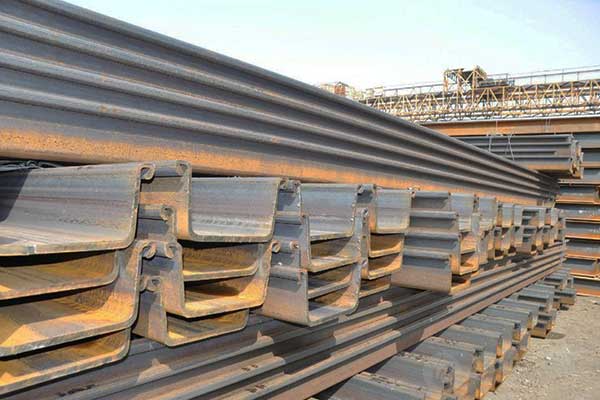
What is Cold-Formed Steel Sheet Pile?
Cold-formed sheet piles are manufactured at room temperature by bending steel coils through rollers. The interlocks are formed during bending, not by hot forming.
Key Features
- Cost-effective and easy to produce
- Flexible design – shape and thickness can be customized
- Wider profile options
- Shorter lead time
Typical Applications
- Temporary retaining walls
- Light-to-medium load soil protection
- Shallow excavations
- Cut-off walls where water-tightness is less critical
Hot-Rolled vs. Cold-Formed Sheet Pile: Side-by-Side Comparison
| Feature | Hot-Rolled Sheet Pile | Cold-Formed Sheet Pile |
|---|---|---|
| Manufacturing Process | Formed at high temperature | Roll-formed at room temperature |
| Interlock Strength | Stronger, tighter, Larssen-type | Moderate, depends on bending precision |
| Water Tightness | Excellent | Good, but usually requires sealant |
| Material Stress | Lower residual stress | Higher residual stress |
| Performance Under Heavy Load | Superior | Good for medium/light duty |
| Cost | Higher | Lower |
| Best For | Permanent, heavy-duty structures | Temporary or economical projects |
Environmental & Sustainability Considerations
Both hot-rolled and cold-formed sheet piles are 100% recyclable. Cold-formed piles may have a smaller carbon footprint due to:
- Lower energy use
- Less processing heat
However, hot-rolled piles often last longer, reducing material replacement.
Cost Comparison: Is Hot-Rolled Worth the Price?
Cold-formed sheet piles cost less, but sometimes choosing hot-rolled saves long-term expenses by reducing:
- Failure risks
- Interlock damage
- Water leakage
- Replacement or repair costs
For critical structures, hot-rolled is usually more economical across the entire lifecycle.
Which One Should You Choose?
Choose Hot-Rolled if:
- The project requires high strength or deep penetration
- The structure is permanent
- Maximized water sealing is critical
- Loads are heavy or complex
Choose Cold-Formed if:
- The project is temporary
- Budget is limited
- Medium or light retaining loads
- You need large profile variety
Conclusion
Both hot-rolled and cold-formed steel sheet piles are excellent materials for ground support and water-retaining structures. The right choice depends on your project’s load requirements, durability expectations, and budget. If you need expert guidance or tailored solutions, our team is ready to help. Contact us today for technical support and a fast, competitive quotation.