

Rough Terrain Scissor Lift: Everything You Need to Know
When your job site demands reliable elevation in challenging outdoor conditions, a rough terrain scissor lift becomes an essential piece of equipment. Built for stability, power, and productivity on uneven or unpaved surfaces, these lifts are widely used in construction, maintenance, installation, and industrial projects.
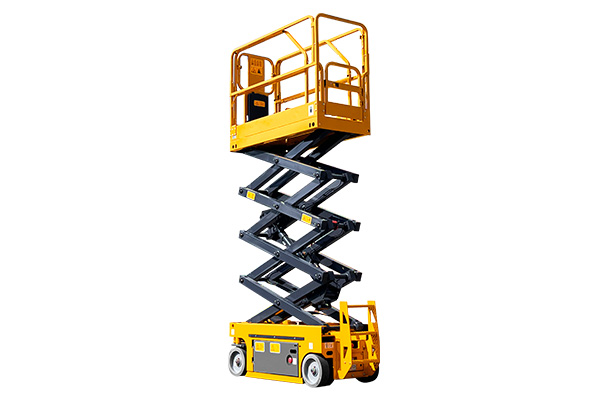
What is a Rough Terrain Scissor Lift?
A rough terrain scissor lift is a type of aerial work platform designed to lift personnel and tools to elevated heights on rugged or uneven outdoor surfaces. Unlike electric indoor lifts, rough terrain models typically use diesel engines, all-terrain tires, and four-wheel drive to handle demanding environments.
Key Characteristics:
- High load capacity for tools and multiple workers
- Greater platform height than standard scissor lifts
- Wide, stable base for superior safety outdoors
- Designed for slopes, mud, gravel, and unfinished ground
- Often equipped with outriggers for extra stabilization
Why Choose a Rough Terrain Scissor Lift?
1. Superior Stability on Uneven Ground
These lifts are engineered with reinforced chassis structures and robust stabilization systems, making them ideal for outdoor projects where ground conditions are not flat or smooth.
2. High Load-Bearing Capacity
Rough terrain scissor lifts can typically support hundreds of kilograms of weight, allowing multiple workers and tools to operate safely at height.
3. Increased Productivity
Large platforms provide ample working space and reduce the number of repositioning movements required, improving overall efficiency.
4. Strong Power Output
Most units are powered by diesel engines, offering strong torque for driving on slopes or soft ground.
5. All-Weather Performance
Whether the environment is dusty, wet, or uneven, rough terrain models are built to deliver consistent performance.
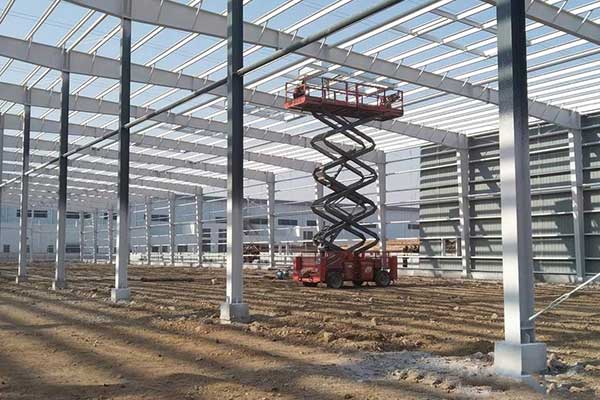
Common Applications
Rough terrain scissor lifts are commonly used in:
- Construction Sites – framing, roofing, exterior installs
- Road and Bridge Projects – elevated work on uneven roadside surfaces
- Industrial Maintenance – outdoor repairs and facility maintenance
- Telecommunications and Utilities – installation or inspection tasks
- Agriculture and Forestry – building and maintenance tasks in non-paved areas
If the job involves outdoor elevation in challenging terrain, these lifts are the ideal choice.
How to Choose the Right Rough Terrain Scissor Lift
When selecting a rough terrain scissor lift, consider the following:
1. Working Height
Determine the maximum lift height needed for your project.
2. Load Capacity
Choose a model that can safely support all workers, tools, and materials.
3. Drive System
- 4×4 drive for tough terrain
- Two-wheel drive for moderately uneven ground
4. Power Type
- Diesel: Most powerful; ideal for heavy construction
- Hybrid: Lower noise and emissions; suitable for urban job sites
- Electric RT: Rare but ideal for emission-restricted zones
5. Terrain Conditions
Mud, slope, gravel, or loose soil will require higher ground clearance and stronger tires.
6. Safety Systems
Ensure features such as tilt sensors, automatic braking, and overload protection are included.
Maintenance Tips for Long-Term Performance
- Perform daily checks on tires, hydraulics, and engine oil.
- Inspect guardrails and safety sensors before each operation.
- Keep the platform clean and free of debris.
- Follow recommended service intervals for filters and engines.
Proper maintenance ensures safer operations and extends the lifespan of the machine.
FAQs
Most models offer working heights from 10–18 meters (32–60 ft), although specialized units can reach even higher depending on the manufacturer.
Load capacity usually ranges from 700 kg to 1,500 kg depending on the model. The large platform allows multiple workers and tools to be lifted at the same time.
Prices vary based on height, load capacity, power system, and brand. Entry-level models may start at $8,000–$12,000, while larger diesel models can exceed $25,000–$40,000. For wholesale pricing, contacting the manufacturer directly is recommended.
Ready to Upgrade Your Aerial Work Efficiency? Choose Roadsky
If you’re looking for a reliable, high-performance rough terrain scissor lift for construction, roadwork, or industrial use, Roadsky is your trusted partner. We provide heavy-duty lifting solutions engineered for stability, durability, and safety even in the toughest outdoor environments.
Contact our team today to get specifications, pricing, and expert recommendations tailored to your project needs.