

Choosing the Right Geotextile Fabric: A Comprehensive Guide
Geotextile fabrics are essential materials in construction, landscaping, and civil engineering projects. Selecting the right geotextile fabric can greatly impact the longevity, stability, and performance of your project. This guide will help you understand the types, applications, and selection criteria for geotextile fabrics.

What is Geotextile Fabric?
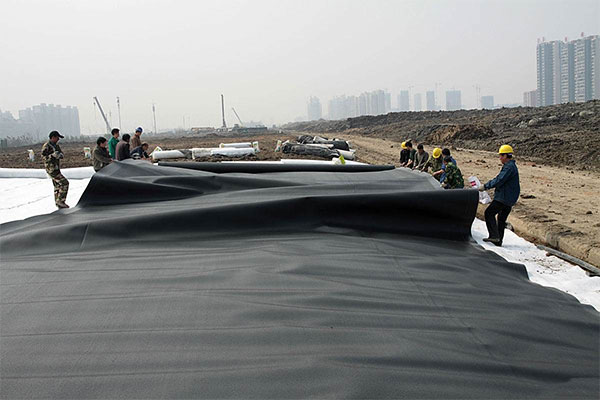
Geotextile fabric is a permeable textile material used in engineering projects to enhance soil stability, provide erosion control, improve drainage, and support soil reinforcement. Made from synthetic fibers such as polypropylene or polyester, geotextiles are durable, resistant to chemicals, and able to withstand harsh environmental conditions.
Types of Geotextile Fabric
Choosing the correct type depends on your project’s needs. The main types include:
1. Woven Geotextiles
Woven geotextiles are manufactured by interlacing fibers, creating a strong and durable fabric. They are ideal for:
- Heavy load-bearing applications
- Soil stabilization on highways or roads
- Erosion prevention
2. Non-Woven Geotextiles
Non-woven geotextiles are made by bonding fibers together using heat, chemicals, or needle punching. They offer excellent filtration and drainage properties, making them suitable for:
- Drainage systems
- Erosion control
- Landscaping projects
3. Knitted Geotextiles
Less common, knitted geotextiles provide flexibility and strength, often used in specialized reinforcement applications.
Key Factors in Choosing Geotextile Fabric
When selecting a geotextile fabric, consider the following factors:
1. Project Type
Different projects require different fabric properties. Roads and highways demand strong woven fabrics, while garden landscaping may benefit from flexible non-woven fabrics.
2. Tensile Strength
Tensile strength determines how much load the fabric can withstand without tearing. For heavy-duty construction, higher tensile strength fabrics are essential.
3. Permeability and Drainage
Proper water flow is crucial to prevent soil erosion and waterlogging. Non-woven geotextiles are preferred for projects requiring high drainage efficiency.
4. Durability and UV Resistance
For outdoor projects, choose fabrics resistant to UV radiation and chemical degradation to ensure long-term performance.
5. Soil Compatibility
Different soils interact differently with geotextile fabrics. Conduct soil tests to select a fabric that offers optimal filtration, separation, and reinforcement.
6. Cost and Budget
While it may be tempting to choose the cheapest option, low-quality geotextile fabrics may fail prematurely, leading to additional repair costs. Balance cost with durability, strength, and performance.
Roadsky: Your Trusted Geotextile Supplier
Roadsky is a professional manufacturer and supplier of geotextiles in China. We offer high-quality woven and non-woven fabrics for road construction, soil stabilization, erosion control, and drainage projects. Contact us now to get started!