

How Much Does a Scissor Lift Weigh?
If you’re considering renting or buying a scissor lift, one of the most common questions is: how much does a scissor lift weigh? Understanding the weight of a scissor lift is crucial for safety, transportation, and choosing the right model for your project. In this guide, we break down the factors that affect scissor lift weight and provide practical information for different types.
Key Takeaways
- Scissor lift weight varies widely depending on size, power source, and lifting height.
- Small indoor electric lifts typically weigh between 1,500–3,500 lbs, while heavy-duty outdoor lifts can exceed 25,000 lbs.
- Knowing the lift’s weight is essential for safe operation, transportation, and ground support.
- Always consult the manufacturer’s specifications before using, transporting, or renting a scissor lift.
What is a Scissor Lift?
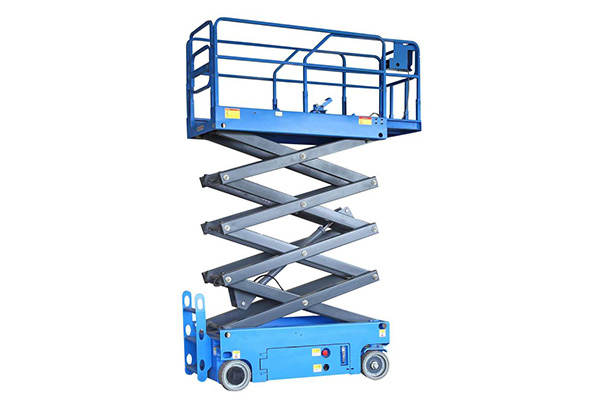
A scissor lift is a type of aerial work platform used to safely elevate workers, tools, and equipment to heights. Its unique crisscrossing support structure allows vertical movement, making it ideal for indoor maintenance, construction, and warehouse operations. Scissor lifts come in various sizes, power sources, and lifting capacities, which all influence their weight.
Factors That Affect Scissor Lift Weight
Several factors determine the weight of a scissor lift:
1. Size of the Platform
Larger platforms can hold more workers and equipment but also increase the overall weight.
2. Power Source
- Electric scissor lifts are lighter since they use batteries and are mostly designed for indoor use.
- Diesel or gas-powered scissor lifts are heavier due to the engine and fuel tank but can operate outdoors and on rough terrain.
3. Lifting Height
The higher the lift can go, the more robust the structure needs to be, which adds to the weight.
4. Material Construction
Most scissor lifts are made of steel, but higher-end models may incorporate aluminum for weight reduction.
5. Attachments and Accessories
Guardrails, tool trays, and stabilizers can add extra weight.
Typical Scissor Lift Weights
Here’s a general breakdown of scissor lift weights by type:
| Type | Typical Weight Range |
|---|---|
| Small Electric (Indoor) | 1,500 – 3,500 lbs (680 – 1,590 kg) |
| Medium Electric | 3,500 – 7,000 lbs (1,590 – 3,175 kg) |
| Rough Terrain Diesel/Gas | 7,000 – 15,000 lbs (3,175 – 6,800 kg) |
| Heavy-Duty Industrial | 15,000 – 25,000 lbs (6,800 – 11,340 kg) |
Always check the manufacturer’s specifications before transporting or using a scissor lift, as exceeding weight limits can be dangerous.
Why Knowing the Weight Is Important
Understanding the weight of a scissor lift is critical for:
- Transport Safety: Ensuring your vehicle or trailer can safely carry the lift.
- Floor Load Capacity: Avoiding damage to indoor flooring or platforms.
- Compliance with Regulations: Meeting safety and weight limits for construction sites.
- Efficient Operation: Selecting the right lift for your specific job without risking stability.
Conclusion
The weight of a scissor lift varies widely depending on its size, power source, height, and design. Small indoor lifts may weigh as little as 1,500 lbs, while heavy-duty outdoor lifts can exceed 25,000 lbs. Knowing your scissor lift’s weight is critical for safe operation, transportation, and compliance with safety standards. Always consult manufacturer specifications and plan accordingly before use.
Looking for scissor lifts for sale? Contact us today to find a wide range of high-quality scissor lifts, including electric, diesel, and rough terrain models. Our team can help you choose the perfect lift for your project, provide pricing details, and assist with delivery and support.