

Steel Sheet Pile Buyer’s Guide: Everything You Need to Know
When it comes to foundation engineering and earth retention, steel sheet piles are one of the most reliable solutions. They provide strong support for retaining walls, cofferdams, seawalls, and other structures that require soil or water retention. If you are considering purchasing steel sheet piles for your project, this buyer’s guide will help you understand the key factors to look at before making a decision.
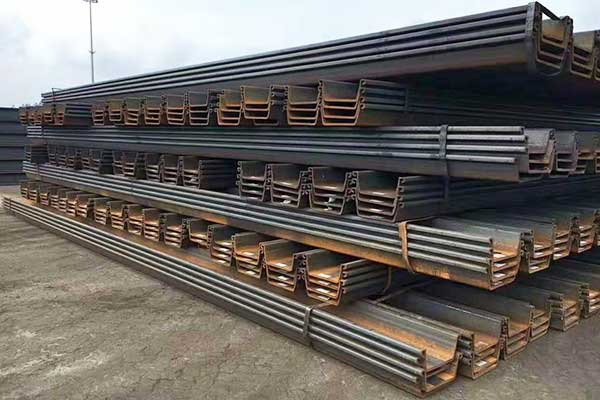
What Are Steel Sheet Piles?
Steel sheet piles are long structural sections with interlocking edges (clutch connections) that form a continuous barrier. They are driven into the ground to support excavation works, prevent soil movement, or act as flood protection barriers. Their strength, durability, and ability to be reused make them a cost-effective choice in civil engineering and marine construction.
Types of Steel Sheet Piles
When buying steel sheet piles, it’s important to know the different types available:
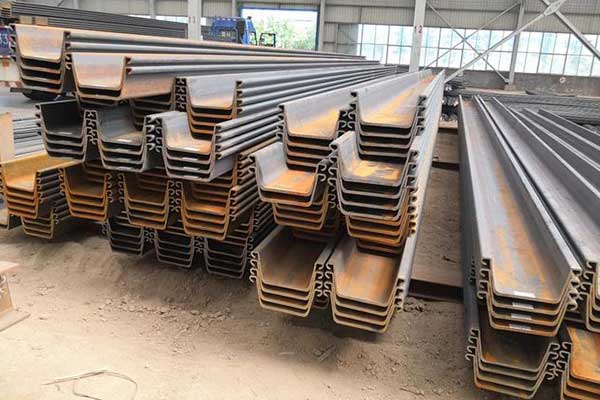
1. U-Type Sheet Piles
- Classic design with a wide profile.
- Provides high strength and excellent resistance.
- Ideal for deep excavation and marine applications.
2. Z-Type Sheet Piles
- Most commonly used worldwide.
- Offers higher section modulus and lighter weight per square meter.
- Suitable for large retaining walls, port construction, and bridge abutments.
3. Straight Web (Flat) Sheet Piles
- Designed for temporary works and light retaining structures.
- Often used for cutoff walls and separating structures.
Key Factors to Consider Before Buying Steel Sheet Piles
1. Material Quality
Always check the steel grade and certifications. High-quality steel sheet piles comply with international standards such as ASTM, EN, or JIS. This ensures better performance and longer lifespan.
2. Size and Section Properties
The choice of pile size depends on soil conditions, project requirements, and load capacity. Pay attention to section modulus, moment of inertia, and thickness, as they directly impact strength.
3. Coating and Corrosion Protection
For marine and waterfront projects, corrosion resistance is crucial. Options include hot-dip galvanizing, epoxy coating, or using weathering steel. A proper protective layer ensures long-term durability.
4. Installation Method
Choose sheet piles that match your installation method—vibratory hammers, impact hammers, or hydraulic presses. Some designs are easier to drive and extract, reducing project time.
5. Reusability
If your project requires temporary retaining walls, reusable sheet piles can significantly lower long-term costs.
6. Supplier Reliability
Work with a trusted steel sheet pile supplier who provides quality assurance, customization options, and after-sales support. A reliable supplier also ensures on-time delivery and competitive pricing.
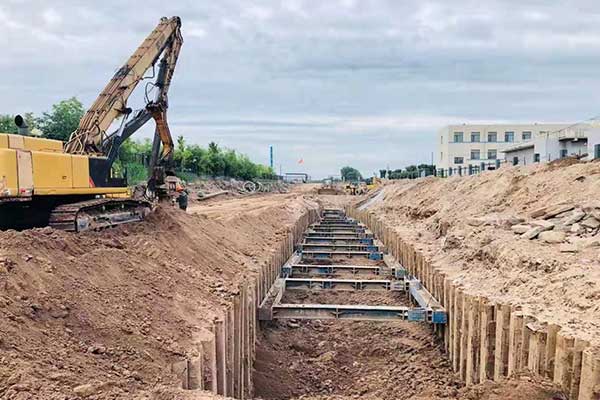
Applications of Steel Sheet Piles
Steel sheet piles are widely used in:
- Harbors and Ports – Quay walls, jetties, and breakwaters.
- Riverbanks and Flood Protection – Preventing erosion and water intrusion.
- Basements and Foundations – Supporting excavation works.
- Cofferdams – Temporary enclosures for construction in water.
- Bridges and Highways – Embankment protection and retaining walls.
Advantages of Steel Sheet Piles
- High durability and load-bearing capacity
- Reusable and recyclable, making them eco-friendly
- Quick and cost-effective installation
- Adaptable to various soil and water conditions
Common Mistakes to Avoid
- Selecting the wrong type of sheet pile for the project
- Ignoring corrosion protection needs
- Overlooking soil analysis and load calculations
- Choosing a low-quality supplier
Tips for First-Time Buyers
- Compare multiple suppliers and request detailed specifications.
- Ask for previous project references.
- Consider both upfront cost and lifecycle value.
- Check if the supplier offers installation guidance.
Conclusion
Buying the right steel sheet pile requires careful consideration of material quality, design, and project requirements. By understanding the types, key specifications, and installation practices, you can ensure a safe, durable, and cost-effective solution for your construction needs.
If you’re looking for a trusted steel sheet pile supplier, you can contact us directly for more information. Our team can help you choose the right type, size, and coating for your project, ensuring reliable performance and timely delivery.