

Electric Forklift vs Diesel Forklift: Which is Right for You?
When it comes to material handling and warehouse operations, forklifts are essential tools. Choosing between an electric forklift and a diesel forklift can significantly impact your business in terms of cost, efficiency, and long-term performance. This guide will compare both options to help you decide which type of forklift best fits your needs.
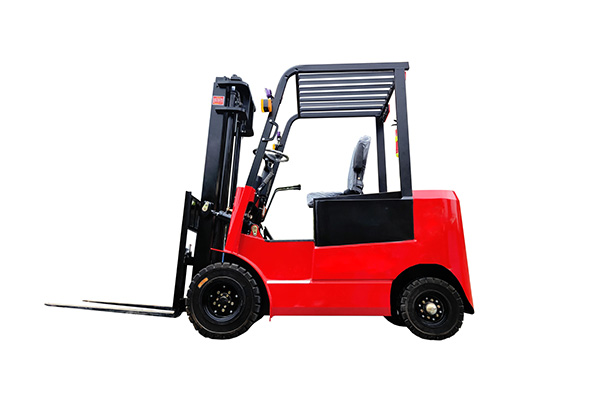
What is an Electric Forklift?
An electric forklift is powered by rechargeable batteries, usually lithium-ion or lead-acid. These machines are known for being environmentally friendly, quiet, and suitable for indoor applications.
Key features of electric forklifts:
- Zero direct emissions
- Low noise operation
- Lower long-term maintenance costs
- Suitable for warehouses, factories, and indoor storage
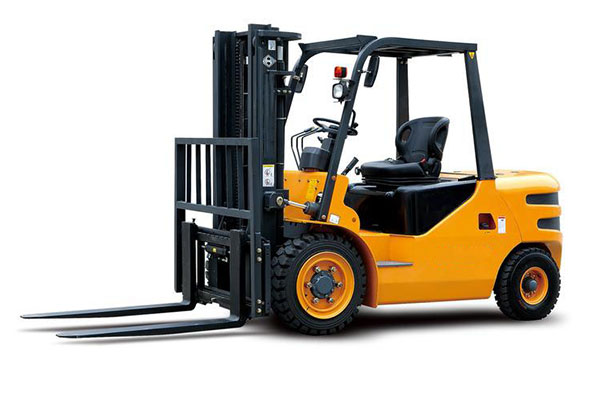
What is a Diesel Forklift?
A diesel forklift runs on a diesel engine, making it powerful and capable of handling heavy loads and rough terrains. These forklifts are commonly used in outdoor environments such as construction sites, ports, and lumber yards.
Key features of diesel forklifts:
- High lifting capacity
- Strong performance on uneven surfaces
- Longer operating time without frequent recharging
- Ideal for outdoor and heavy-duty applications
Electric Forklift vs Diesel Forklift: Side-by-Side Comparison
| Feature | Electric Forklift | Diesel Forklift |
|---|---|---|
| Power Source | Rechargeable batteries | Diesel fuel |
| Operating Cost | Lower (electricity is cheaper) | Higher (fuel costs fluctuate) |
| Maintenance | Minimal (fewer moving parts) | Higher (engine maintenance, filters, oil changes) |
| Noise Level | Very quiet | Louder engine noise |
| Emissions | Zero emissions | Produces CO₂ and other pollutants |
| Best Use | Indoor warehouses, logistics centers | Outdoor, heavy-duty, rough terrain |
| Upfront Cost | Higher initial purchase | Lower initial purchase |
| Lifespan | Dependent on battery life cycle | Typically longer engine life |
Advantages of Electric Forklifts
- Environmentally Friendly – No harmful emissions, making them ideal for indoor use.
- Cost-Effective in the Long Run – Lower fuel and maintenance costs.
- Improved Operator Comfort – Quiet operation reduces workplace noise pollution.
- Compact Design – Easier to maneuver in narrow warehouse aisles.
Advantages of Diesel Forklifts
- Powerful Performance – Handles heavier loads with ease.
- Durability – Built to withstand harsh outdoor environments.
- Extended Operation – Can run for long hours without recharging.
- Lower Upfront Cost – Generally cheaper to purchase compared to electric models.
Which One Should You Choose?
- Choose an electric forklift if your operations are mainly indoors, require a quiet and clean environment, and you want lower long-term operating costs.
- Choose a diesel forklift if you need heavy-duty lifting power, work outdoors, or operate in areas without easy access to charging stations.
Conclusion
The decision between an electric forklift vs diesel forklift depends on your business needs. Electric forklifts excel in indoor, eco-friendly, and cost-conscious environments, while diesel forklifts are the better choice for heavy loads and outdoor use. Evaluating your workload, budget, and workplace environment will guide you toward the right investment.