

What Are Gabions Used For?
Gabions have been around for centuries, but in modern construction and landscaping, they’ve become increasingly popular for their strength, versatility, and eco-friendly design. If you’ve ever seen a wall made of stacked wire baskets filled with rocks, you’ve seen a gabion. But what exactly are they used for, and why are they so effective? Let’s take a closer look.
What is a Gabion?
Gabion is essentially a cage, cylinder, or box made of galvanized or stainless-steel wire mesh filled with natural materials such as stone, concrete, or even recycled materials. The word “gabion” comes from the Italian word gabbione, meaning “big cage.”
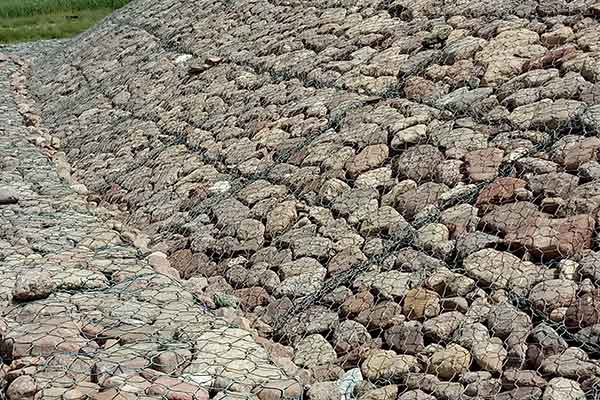
Main Uses of Gabions
1. Erosion Control
One of the most common uses of gabions is preventing soil erosion. They are often installed along riverbanks, coastlines, and slopes to protect against water flow and rainfall that can wash away soil. The heavy rock-filled baskets absorb and redirect water energy, keeping the land intact.
2. Retaining Walls
Gabion retaining walls are widely used in construction and landscaping. Instead of traditional concrete walls, gabions provide a flexible yet durable solution that blends naturally with the environment. They are particularly effective in areas prone to landslides or unstable soil.
3. Flood Protection
Because gabions allow water to flow through while holding back soil, they are often used in flood-prone areas. Large gabion structures can act as barriers, reducing the risk of water damage to infrastructure and property.
4. Road and Highway Construction
In civil engineering, gabions are frequently placed along highways, bridges, and embankments. They stabilize slopes, protect roadways from erosion, and provide structural support where soil movement is a risk.
5. Sound Barriers
Gabions filled with certain types of stone can act as natural sound barriers. They are used near highways and urban developments to reduce noise pollution while offering a more visually appealing solution compared to concrete walls.
6. Landscaping and Aesthetics
Beyond heavy construction, gabions are also popular in modern landscaping. Architects and homeowners use them for garden walls, benches, outdoor seating, decorative fences, and even fire pits. The natural stone finish gives a rustic yet contemporary look.
Advantages of Gabions
- Durability: Built to last, especially with galvanized or PVC-coated wire.
- Eco-Friendly: Filled with natural or recycled materials, they integrate with the environment.
- Flexibility: Unlike rigid structures, gabions can settle without cracking.
- Permeability: Allows water drainage, reducing hydrostatic pressure.
- Cost-Effective: Materials are often locally sourced, reducing costs.
Conclusion
Gabions are much more than rock-filled cages—they’re a versatile and sustainable solution for erosion control, retaining walls, flood defense, and landscaping. Whether you’re a civil engineer designing infrastructure or a homeowner looking for a stylish garden feature, gabions offer a strong, natural, and eco-friendly choice.