

Plate Compactor Weight: How to Choose the Right Machine
Plate compactor weight is one of the most important factors to consider when choosing equipment for paving, landscaping, roadwork, and foundation preparation. A heavier plate compactor can generally deliver stronger compaction, but it is not always the best choice for every project.
The right machine depends on the material being compacted, the depth of the base layer, the size of the work area, and how easily the equipment can be transported and operated.
How Much Does a Plate Compactor Weigh?
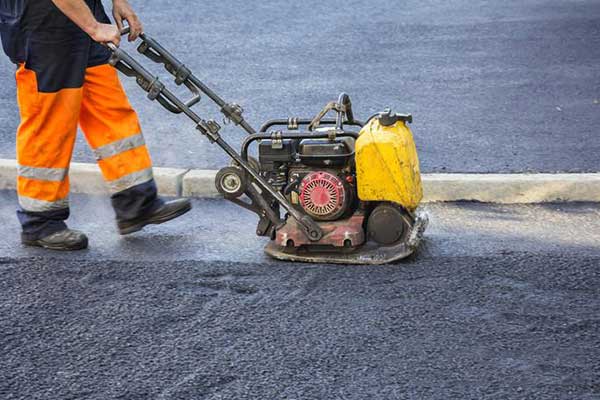
Most plate compactors weigh between 100 and 500 pounds. Lightweight models are commonly used for small landscaping and paver projects, while heavy-duty reversible compactors are designed for deeper aggregate layers and commercial applications.
| Plate Compactor Type | Typical Weight | Best For |
|---|---|---|
| Lightweight single-direction compactor | 100–200 lbs | Sand, paver bedding, walkways, small landscaping jobs |
| Medium-duty single-direction compactor | 200–300 lbs | Patios, driveways, gravel bases, asphalt repairs |
| Heavy-duty single-direction compactor | 300–400 lbs | Larger base preparation and roadwork |
| Reversible plate compactor | 300–500+ lbs | Trenches, deep aggregate layers, commercial projects |
Why Plate Compactor Weight Matters
A plate compactor uses vibration and downward force to remove air pockets from soil, sand, gravel, and other materials. Its weight helps keep the machine stable while the vibrating plate transfers energy into the surface.
In general, a heavier plate compactor can:
- Provide stronger compaction on granular materials
- Work more effectively on thicker aggregate layers
- Remain stable on rough gravel surfaces
- Cover larger work areas with a wider plate
- Handle more demanding commercial applications
However, weight is only one part of the equation. Centrifugal force, vibration frequency, plate dimensions, and engine power also affect compaction results.
Lightweight Plate Compactors: 100 to 200 Pounds
Lightweight plate compactors are easy to transport and maneuver. They are often the best option for homeowners, landscapers, and contractors completing smaller jobs.
Typical applications include:
- Paver bedding sand
- Garden paths
- Small patios
- Landscape edging
- Fine gravel and sand
- Minor repair work
These compactors are practical for areas with limited access, but they may not provide enough force for thick crushed-stone bases or surfaces that will support vehicle traffic.
Medium-Duty Plate Compactors: 200 to 300 Pounds
Medium-duty plate compactors offer a strong balance between portability and compaction power. They are widely used for residential construction and hardscaping projects.
They are suitable for:
- Paver patios
- Sidewalks and walkways
- Gravel shed bases
- Small driveways
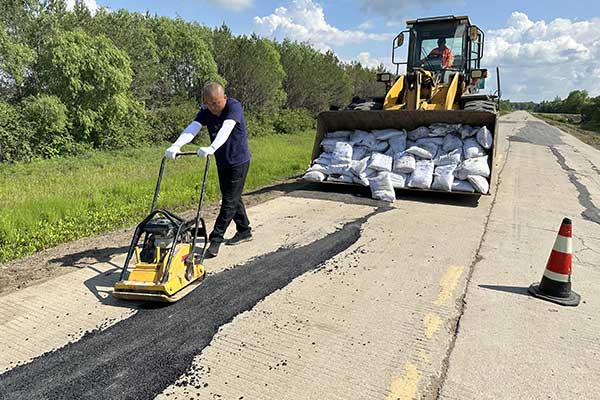
- Asphalt patch repairs
- Residential landscaping projects
For many standard paving and landscaping jobs, a medium-duty compactor is powerful enough to compact granular base material in thin, properly prepared lifts.
Heavy-Duty Plate Compactors: 300 Pounds and Up
Heavy-duty plate compactors are designed for demanding applications. Their increased weight and vibration force make them more effective for compacting crushed stone, road base, and deeper aggregate layers.
Common uses include:
- Driveway base preparation
- Parking areas
- Road and sidewalk construction
- Commercial hardscaping
- Trench backfill
- Large paver installations
Because of their weight, these machines may require a trailer, loading ramps, or lifting equipment. They are also less convenient for tight residential spaces.
Single-Direction vs. Reversible Plate Compactors
Single-direction plate compactors move forward only. They are usually lighter, more affordable, and easier to operate. They work well on open areas where there is enough room to turn around.
Reversible plate compactors can move forward and backward. They are typically heavier and more powerful, making them ideal for confined areas, deep bases, and larger projects.
A reversible compactor is especially useful for:
- Narrow trenches
- Long driveways
- Commercial job sites
- Deep gravel layers
- Large paving projects
Although reversible compactors cost more, they can save time and reduce operator fatigue on larger jobs.
Is a Heavier Plate Compactor Always Better?
No. The heaviest machine is not always the most effective option.
Using a compactor that is too heavy for a thin bedding layer or delicate pavers can disturb the surface or damage the material. On the other hand, using a lightweight compactor on a thick driveway base may result in poor compaction and future settlement.
Choose a plate compactor that matches the job. Consider the material, lift thickness, required density, work area, and future load on the surface.
How to Choose the Right Plate Compactor Weight
For small gardens, sidewalks, or sand layers under paving blocks, a lightweight plate compactor is usually sufficient. For patios, landscaping projects, or standard residential driveways, a medium-duty plate compactor is a better choice. For parking lots, road base preparation, trench backfilling, or thick gravel foundations, a heavy-duty or reversible plate compactor is recommended.
A practical rule of thumb is: the larger the project, the thicker the base layer, and the higher the expected load-bearing requirement, the greater the plate compactor weight and centrifugal force typically needed.
However, regardless of the equipment used, proper compaction techniques are equally important. The base material should be placed in layers, with each layer fully compacted before adding more material. If the material layer is too thick in a single pass, even a heavy-duty plate compactor may not achieve uniform and stable compaction results.
Final Thoughts
Plate compactor weight affects the machine’s power, stability, portability, and ideal application. Lightweight models are a practical choice for small paving and landscaping work, while heavier and reversible compactors are better suited to driveways, road bases, trenches, and commercial construction.
The best plate compactor is not simply the heaviest available. It is the one that provides the right amount of compaction force for your material, project size, and site conditions.