

How to Make Cold Mix Asphalt: A Comprehensive Guide
Cold mix asphalt is a popular pavement repair material used for road maintenance, pothole repair, driveways, and temporary road surfaces. Unlike hot mix asphalt, cold mix asphalt does not require high-temperature heating during production or application, making it easier to use in various weather conditions and remote locations.
In this guide, we will explain how to make cold mix asphalt, the materials needed, the mixing process, and important tips for achieving a durable result.
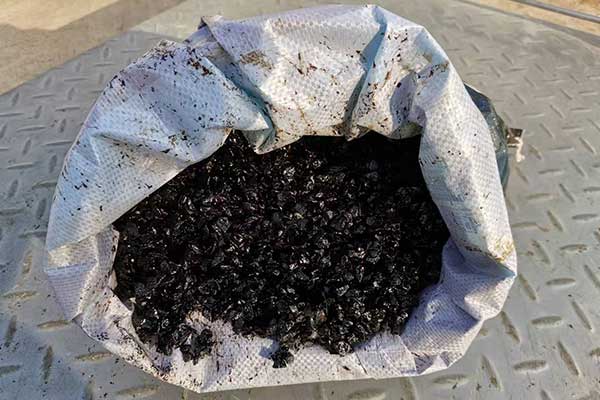
What is Cold Mix Asphalt?
Cold mix asphalt is a mixture of aggregate materials and asphalt binder that can be produced, stored, and applied at ambient temperatures. It uses special emulsified asphalt or cutback asphalt as the binding material instead of traditional hot asphalt.
Because it does not require heating equipment, cold mix asphalt is widely used for:
- Pothole repairs
- Road crack repairs
- Temporary pavement maintenance
- Driveways and parking areas
- Low-volume roads
Its convenience and flexibility make it an ideal solution for quick road repairs.
Materials Needed to Make Cold Mix Asphalt
To produce quality cold mix asphalt, several key materials are required:
1. Aggregates
Aggregates are the main structural component of cold mix asphalt. They provide strength and stability to the pavement.
Common aggregate materials include:
- Crushed stone
- Gravel
- Sand
- Recycled asphalt pavement (RAP)
The aggregate size and quality should be selected according to the application requirements.
2. Asphalt Emulsion
Asphalt emulsion is the most common binder used in cold mix asphalt production. It consists of asphalt particles suspended in water, allowing it to mix with aggregates at normal temperatures.
3. Additives
Some cold mix asphalt mixtures include additives to improve performance, such as:
- Adhesion agents
- Stabilizers
- Anti-stripping agents
- Rejuvenators
These additives can enhance bonding, durability, and resistance to moisture damage.
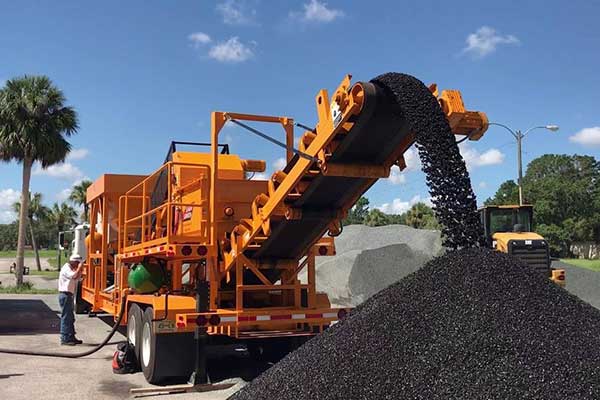
Step-by-Step Process of Making Cold Mix Asphalt
Step 1: Prepare the Aggregates
Before mixing, aggregates should be properly prepared.
The process includes:
- Removing dust, dirt, and unwanted materials
- Screening aggregates to achieve the desired size distribution
- Ensuring the moisture content is suitable
Clean and properly graded aggregates help create a stronger asphalt mixture.
Step 2: Select the Right Asphalt Binder
Choosing the correct asphalt emulsion is essential for producing high-quality cold mix asphalt.
The selection depends on factors such as:
- Road conditions
- Expected traffic volume
- Weather environment
- Construction requirements
For example, slow-setting emulsions are often used when longer mixing and working times are needed.
Step 3: Mix Aggregates and Asphalt Emulsion
The general mixing process includes:
- Place the prepared aggregates into a mixing machine.
- Add the required amount of asphalt emulsion gradually.
- Mix thoroughly until the aggregate particles are evenly coated.
- Add any necessary additives during the mixing process.
A uniform coating of asphalt binder ensures good adhesion and pavement performance.
Step 4: Allow Proper Curing
After mixing, cold mix asphalt needs time to cure. During curing:
- Water evaporates from the asphalt emulsion
- Asphalt binder bonds with the aggregates
- The mixture gains strength
Curing time depends on weather conditions, mixture design, and binder type.
Step 5: Storage and Transportation
One advantage of cold mix asphalt is that it can be stored for later use.
For proper storage:
- Keep the material covered
- Protect it from rain
- Avoid contamination
- Store on a clean surface
Some cold mix asphalt products can be stored for several months.
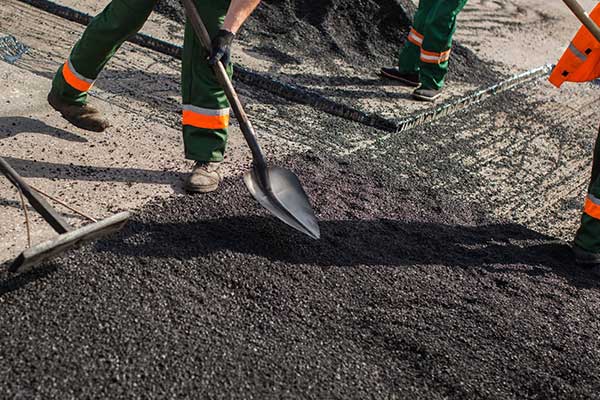
How Is Cold Mix Asphalt Applied?
Cold mix asphalt can be applied using simple equipment and does not require heating.
The typical application process includes:
- Clean the damaged pavement area.
- Remove loose materials and debris.
- Apply tack coat if required.
- Place cold mix asphalt into the repair area.
- Compact the material using a roller or plate compactor.
- Allow the repaired area to cure before heavy traffic.
Proper compaction is one of the most important factors affecting the lifespan of cold mix asphalt repairs.
Advantages of Cold Mix Asphalt
Cold mix asphalt offers several benefits compared with traditional hot mix asphalt:
- Easy Installation: Since no heating equipment is required, cold mix asphalt can be applied quickly with minimal equipment.
- Suitable for Emergency Repairs: It can be stored and used whenever needed, making it ideal for emergency pothole repairs.
- Cost-Effective: Lower equipment requirements and reduced energy consumption can help reduce repair costs.
- Environmentally Friendly: Cold mix asphalt requires less energy during production and can often incorporate recycled asphalt materials.
- Works in Various Weather Conditions: Cold mix asphalt can be used in colder temperatures when hot mix asphalt may not be practical.
Tips for Making High-Quality Cold Mix Asphalt
To achieve better performance, consider these tips:
- Use high-quality aggregates with proper grading.
- Select asphalt emulsion according to project conditions.
- Maintain the correct binder-to-aggregate ratio.
- Ensure thorough mixing.
- Compact the mixture properly after placement.
- Store cold mix asphalt in suitable conditions to maintain quality.
Conclusion
Making cold mix asphalt involves selecting suitable aggregates, asphalt emulsion, and additives, followed by proper mixing and curing. With the right materials and application methods, cold mix asphalt can provide a durable and cost-effective solution for pavement maintenance.
For reliable cold mix asphalt solutions and road maintenance products, RoadSky provides professional products and support for road repair projects. Contact us today to find the right solution for your asphalt maintenance needs.