

Utilizing Vinyl Sheet Pile in Flood Protection
Flooding is one of the most destructive natural disasters worldwide, affecting urban areas, farmland, and critical infrastructure. As climate change increases the frequency and intensity of extreme weather events, engineers and planners are seeking more durable, cost-effective, and environmentally friendly flood protection systems. One solution gaining significant attention is the use of vinyl sheet pile in flood protection projects.
What is Vinyl Sheet Pile?
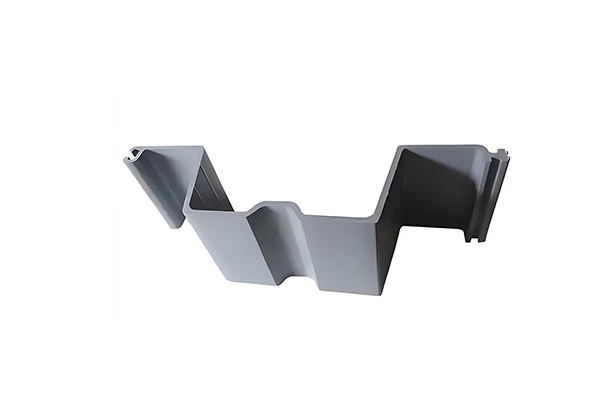
Vinyl sheet pile is a type of interlocking structural profile made from high-strength PVC (polyvinyl chloride). These sheets are driven into the ground vertically to form a continuous barrier that resists water flow, soil pressure, and erosion.
Like traditional sheet piles, vinyl sheet piles feature a tongue-and-groove interlocking system that creates a watertight wall once installed. However, unlike steel or wood, vinyl is resistant to corrosion, rot, and chemical degradation.
How Vinyl Sheet Pile Works in Flood Protection
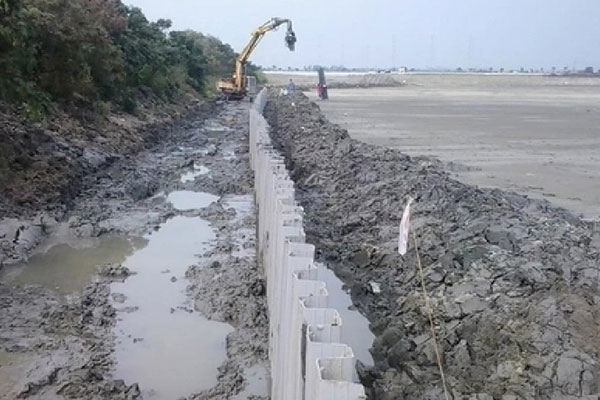
In flood control systems, vinyl sheet piles are installed to form barriers along rivers, coastlines, canals, and low-lying urban areas. Their primary functions include:
- Blocking or redirecting floodwater
- Reinforcing riverbanks and levees
- Preventing soil erosion during heavy rainfall
- Protecting infrastructure such as roads, bridges, and buildings
When installed correctly, vinyl sheet pile walls act as a continuous waterproof barrier that reduces seepage and stabilizes surrounding soil structures.
Key Advantages of Vinyl Sheet Pile in Flood Control
1. Corrosion and Chemical Resistance
Unlike steel sheet piles, vinyl does not rust or corrode. This makes it ideal for long-term exposure to water, saltwater, and aggressive soil conditions.
2. Long Service Life
Vinyl sheet piles can last decades with minimal maintenance, making them a cost-effective solution over the full lifecycle of a flood protection system.
3. Lightweight and Easy Installation
Vinyl is significantly lighter than steel or concrete. This reduces transportation costs and allows for faster installation using smaller machinery.
4. Environmental Friendliness
Vinyl sheet piles are often recyclable and do not leach harmful substances into soil or water, making them suitable for environmentally sensitive areas.
5. Aesthetic Flexibility
In urban or residential flood control projects, vinyl sheet piles can be designed in neutral colors or hidden partially below ground, minimizing visual impact.
Common Applications in Flood Protection
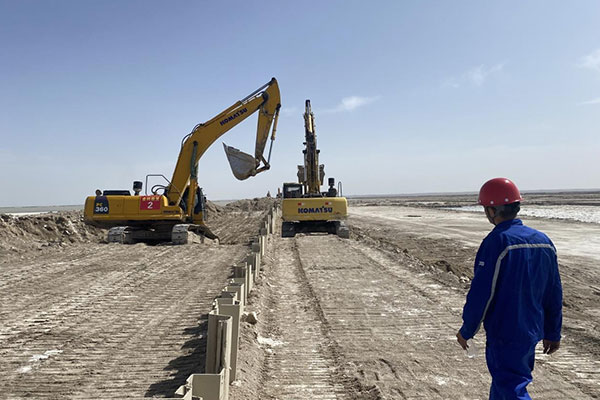
Vinyl sheet piles are widely used in both large-scale infrastructure and localized flood prevention projects:
- Riverbank Reinforcement: They stabilize riverbanks, preventing erosion and reducing the risk of river overflow during heavy rain seasons.
- Coastal Flood Barriers: In coastal regions, vinyl sheet piles help reduce the impact of storm surges and rising sea levels.
- Levee and Dike Systems: They are often integrated into levees to strengthen existing flood defense systems.
- Urban Flood Walls: Cities use vinyl sheet pile walls to protect residential zones, underground utilities, and transportation networks.
- Retaining Walls with Water Control: They serve dual purposes as retaining structures and waterproof barriers in drainage systems and canals.
Vinyl vs Steel Sheet Piles for Flood Protection
| Feature | Vinyl Sheet Pile | Steel Sheet Pile |
|---|---|---|
| Corrosion resistance | Excellent | Requires coating/maintenance |
| Weight | Lightweight | Heavy |
| Installation cost | Lower | Higher |
| Durability in water | High | Moderate to high (with maintenance) |
| Structural strength | Moderate | High |
While steel remains the choice for extremely heavy-load marine structures, vinyl sheet piles are increasingly preferred for medium-duty flood protection due to their balance of performance and cost.
Installation Considerations
To ensure optimal performance in flood protection systems, several factors must be considered:
- Soil conditions: Soft soils are ideal for vinyl installation, while very dense soils may require pre-drilling.
- Driving method: Vibratory hammers or hydraulic presses are commonly used.
- Interlock sealing: Proper alignment is critical to prevent water leakage.
- Anchoring systems: In high-pressure environments, tie-back anchors may be required for stability.
Proper engineering design is essential to maximize the effectiveness of vinyl sheet pile systems.
Conclusion
Vinyl sheet pile has become a highly effective material in flood protection engineering. Its resistance to corrosion, ease of installation, and long service life make it a strong alternative to traditional materials like steel and concrete.
Whether used for riverbank stabilization, coastal defense, or urban flood barriers, vinyl sheet piles provide a reliable and sustainable solution for controlling water and protecting infrastructure in an increasingly unpredictable climate.