

Cold Mix Asphalt for Pothole Patching
Potholes are one of the most common and costly problems in road maintenance. They can appear overnight, damage vehicles, and compromise driving safety. For road repair crews and contractors, finding a quick, durable, and cost-effective way to patch potholes—especially in cold or wet weather—is essential. That’s where cold mix asphalt comes in.
In this article, we’ll explain what cold mix asphalt is, how it works, and why it’s the best material for pothole patching in all seasons.
What is Cold Mix Asphalt?
Cold mix asphalt is a pre-mixed asphalt material made from bitumen emulsion and aggregate. Unlike traditional hot mix asphalt, which must be heated to high temperatures before application, cold mix asphalt can be used straight from the bag or container—no heating required.
This makes it especially convenient for emergency road repairs, minor patchwork, and maintenance during winter or rainy seasons when hot mix plants may be closed or temperatures are too low for proper compaction.
Why Potholes Need Immediate Repair
Potholes form when water seeps into the pavement through cracks, freezes, and expands. As vehicles drive over the weakened surface, chunks of asphalt break loose, creating dangerous holes that can damage tires, vehicles, and cause accidents. If left unrepaired, potholes grow larger and lead to more costly structural damage to the road base.
Advantages of Using Cold Mix Asphalt for Pothole Repair
1. All-Weather Application
Cold mix asphalt can be applied in wet, dry, or freezing conditions, allowing road maintenance teams to repair potholes year-round—without waiting for warm weather.
2. Easy to Use
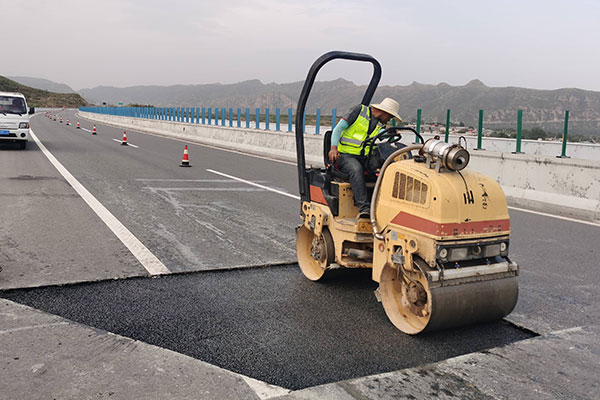
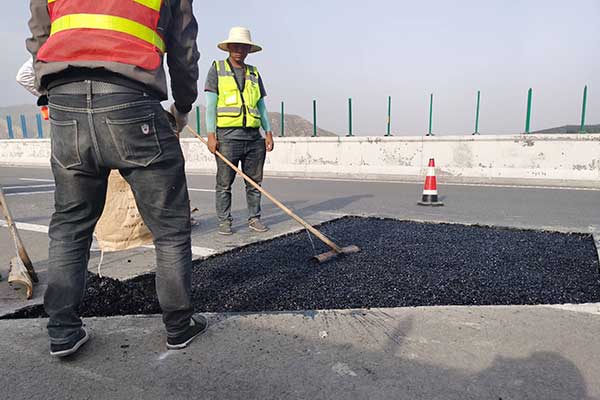
No heating or special equipment is needed. Workers simply clean the pothole, fill it with cold mix asphalt, and compact it using a hand tamper or roller.
3. Quick Repairs with Minimal Traffic Disruption
Roads can reopen immediately after patching, reducing downtime and traffic delays.
4. Cost-Effective
Cold mix asphalt eliminates the need for large-scale equipment and heating, resulting in lower labor and operational costs compared to hot mix asphalt.
How to Use Cold Mix Asphalt for Pothole Patching
Here’s a quick guide to properly patch a pothole using cold mix asphalt:
- Clean the Area – Remove any loose debris, standing water, or dust inside the pothole.
- Pour the Cold Mix Asphalt – Fill the pothole slightly above the surrounding road surface.
- Compact the Mix – Use a hand tamper, shovel, or roller to press the material firmly into place.
- Open to Traffic – Once compacted, the patch is ready for immediate use. Over time, traffic pressure further compacts the material, improving stability.
Applications of Cold Mix Asphalt
Cold mix asphalt is versatile and suitable for various applications, including:
- Pothole patching on highways, streets, and parking lots
- Edge repairs and small surface corrections
- Utility cut restoration after underground work
- Driveway and pathway maintenance
Whether for municipalities, contractors, or facility managers, cold mix asphalt provides a reliable solution for quick road maintenance.
Tips for Best Results
- Store cold mix asphalt in a cool, dry place to maintain freshness.
- Avoid applying over standing water if possible, though some premium cold mixes can tolerate it.
- For deeper potholes, apply and compact the material in layers to ensure strong bonding.
Conclusion
For fast, reliable, and cost-effective pothole patching, cold mix asphalt is the go-to material. Its ease of use, all-weather capability, and durable performance make it the perfect solution for municipalities, contractors, and maintenance teams seeking efficient road repair solutions.
Whether for emergency pothole patching or routine maintenance, cold mix asphalt provides a safe, smooth, and long-lasting surface—keeping roads open and drivers safe year-round.